How to Provide Adequate Lighting to Indoor Plants
Hundreds of plant varieties are grown as houseplants because they thrive in indoor low light conditions. This doesn't mean that their light requirements can be ignored or neglected. In fact, a common affliction among indoor plants is light deprivation. For success in indoor gardening, consider these tips on how to provide adequate and proper lighting. Does this Spark an idea?
Instructions
-
Do Your Homework
-
1
Know your plants. Before you acquire new houseplants, study up on their growth requirements. Pay attention to their needs for light intensity and duration.
-
2
Know that there are three levels of light requirements:
a. Full Sun-about six hours of direct, unscreened light.
b. Half Shade-only a few hours of direct, unscreened light, usually in the morning or late afternoon, with the rest of the day in the shade.
c. Full Shade-very little or no sun, or in the shadows all day. -
-
3
Know which days of the year are longer than others, and how far and how long the sun reaches into your windows.
-
4
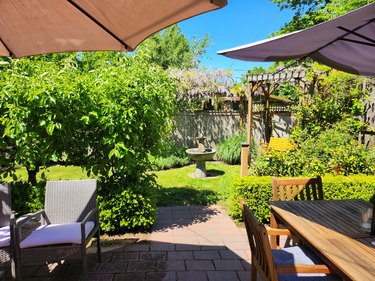
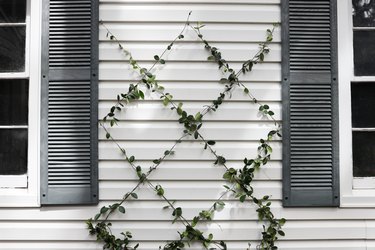
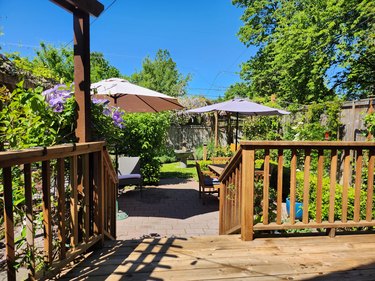
Consider the shading provided by nearby trees, trellises, tall hedges, window awnings, tints, screens, nettings and blinds. These will affect the amount of light the plants receive.
-
5
Know that in North America, the south-facing window receives the most light all year round. This will be the ideal place for houseplants that require full sun. Half shade plants will do best next to east or west-facing windows. North-facing windows will be the best place for full shade plants.
Be Sensitive to Plants' Needs
-
6
Check your plants often for signs of light deprivation. These include thin shoots stretching out for a light source; leaves that yellow, wither, and fall off; the whole plant facing towards the source of light; the plant remaining small and retarded.
-
7
Consider plant rotation or relocation. Have several pots of the same plant and rotate them indoors and outdoors every few weeks.
-
8
Consider artificial lighting. The most effective artificial lighting, providing the closest to the range of sunlight, are fluorescent lights and high-pressure mercury lamps. Grow lights are commercially available.
-
1
Tips & Warnings
It doesn't really matter much which window the plants are next to, you only need to move the plants closer to or farther from the windows to achieve the right amount of light exposure.
Some plants have a difficult time recovering from severe light deprivation. When they pass the point where most of the leaves have turned pale or fallen off, transferring them to a bright spot may fail to bring them back to life. It is important therefore, to make sure they are rotated out at the first sign of distress.
Flowering plants can be particularly sensitive to rotation. The Hibiscus and Gardenia are known to shed their blooms when they are relocated, or even when their pots are shifted or turned.
Try not to shock the plants by moving them from a long-standing low light situation to a baking full sun scenario. Give them time to adjust and recover.
Resources
- Photo Credit Photos by Ruby Bayan
Comments
-
Cheri Jones
Apr 08, 2009
Very informative article, thanks for writing this. I have lots of indoor plants that I will now know just where to put them. 5 stars!