eHow launches Android app: Get the best of eHow on the go.

How To

How to Install Chipboard Floors

Contributor
By eHow Contributing Writer
(2 Ratings)

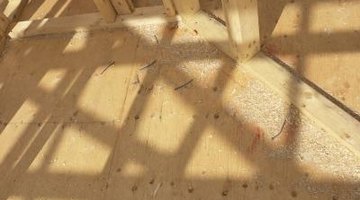
Chipboard is made of course sawdust and resin. It's often used by developers as a sub-flooring material. It's less expensive than other materials. It's also referred to as particle board. This type of sub floor is ideal for all types of flooring, including tile, slate, carpet and vinyl. You can buy chipboard that's treated for termites and fungus. This type is perfect if the home is in a damp location.

Difficulty: Moderate
Instructions

Things You'll Need:

  1. Step 1

    Decide what kind of chipboard you'll need. The tongues are color-coded. Yellow Tongue and Red Tongue are both all-purpose interior flooring designed for fitted flooring or platform construction. Yellow Tongue is 19 mm thick and Red Tongue is 22 mm thick. Blue Tongue is thicker, at 25 mm and is made for buildings with greater floor loads.

  2. Step 2

    Measure the area of the room you'll be working on. The typical size of a sheet of chipboard flooring is 3,600 mm long and 600 mm or 900 mm wide. Divide the total area by the size of the board, to determine how many sheets you'll need.

  3. Step 3

    Lay out the chipboard. The edges of the panels are fitted with color-coded tongues made of PVC. This ensures the sheets will fit together easily and tightly.

  4. Step 4

    Fit the chipboard panels together and nail them down. Use 2 inch ribbed nails to attach the flooring to the joists.

  5. Step 5

    Lay down as many pieces as you can, covering the majority of the floor. Nail them into place.

  6. Step 6

    Measure the remaining chipboard flooring to fit the corners and edges of the floor. Using your saw, cut them to the right size and nail into place.

Tips & Warnings
  • Most chipboard is durable in the weather elements, because it's made with resin. It can be exposed to weather about 3 months.
  • Watch for screw heads to cause bubbles. This often happens. The screws cause pieces of the chipboard to come up around the screw heads. Remove the bubbles with a sander or block pane.
  • Chipboard floors are infamous for creating a squeaky floor, sometimes within just weeks.
  • Wear protective eye gear while operating machinery.
Subscribe

Post a Comment

Post a Comment

Related Ads

  • Have you done this? Click here to let us know.
I Did This
Get Free Home & Garden Newsletters

Copyright © 1999-2009 eHow, Inc. Use of this web site constitutes acceptance of the eHow Terms of Use and Privacy Policy .   en-US Portions of this page are modifications based on work created and shared by Google and used according to terms described in the Creative Commons 3.0 Attribution License. † requires javascript

eHow Home and Garden
eHow_eHow Home and Garden