How To

How to Train a Puppy

Contributor
By Eric Letendre
eHow Contributing Writer
(20 Ratings)
Train a Puppy
Train a Puppy

As a full time dog trainer for the past 18 years some of the absolute best advice that I can give a new puppy owner is this:

Start training the day your new puppy comes home. Do NOT wait until your puppy is six months old. This is a huge mistake and some of the worst advice ever given. I start training as early as seven weeks old. In this article I'll also discuss some other very important steps that are important to understand when it comes to raising a puppy.

Difficulty: Easy
Instructions

Things You'll Need:

  • Leash
  • Flat collar
  • Treats
  • Crate

    How to Train A Puppy Dog

  1. Step 1
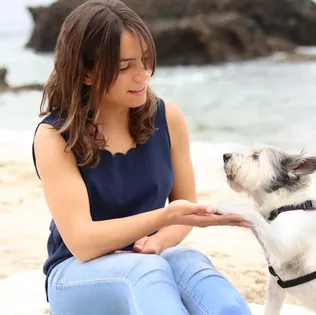
    Bonding with your puppy is important
    Bonding with your puppy is important

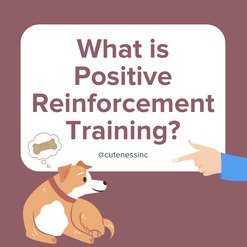
    When it comes to training a puppy you want to make sure that you use positive reinforcement. You want to spend a lot of time rewarding your puppy for doing the behaviors that you want.

  2. Step 2
    Expose your puppy to many different places and people
    Expose your puppy to many different places and people

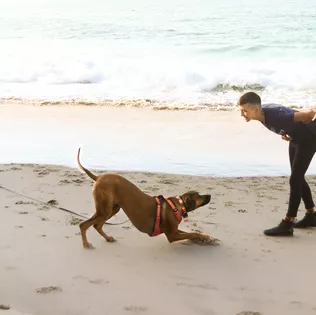
    Start socializing your puppy. Bring your puppy everywhere. Expose your puppy to as many people as you can. Bring your puppy to the beach, hikes in the woods, parades, happy visits to the vet' s office, your groomer, any place that will expose your puppy to different sights, sounds and experiences.

    Puppies go through a socialization period. The more you expose your puppy to before four and half months old the more stable your pup will be as a dog.

    Develop a plan to socialize your puppy. Make a list of the places and people that you want to expose your puppy to.

  3. Step 3

    Start crate training. I have been told that crates are mean and cruel. What you have to understand is that NOT using a crate can be unfair to a puppy that is left unattended for long periods of time. As a former animal control officer I have seen puppies that were seriously injured or killed because the pup was allowed to much freedom.

    A puppy does not understand that they should not chew on electrical cords, chicken bones and old sponges. A puppy that is not confined to a crate has a good chance for injury. It is good to use a crate when you bring your puppy into the house.

  4. Step 4
    All dogs are domestic wolves - Become the pack leader while your pup is young.
    All dogs are domestic wolves - Become the pack leader while your pup is young.

    Once you have started to socialize your puppy and you have started to crate train your pup, you can start to teach your puppy how to live with us humans. Some things you want to teach a new puppy are:

    1. House training
    2. Basic obedience commands
    3. Leash and collar

    In addition to the three steps outlined above, you also need to teach your pup that you are the pack leader. You need to give your puppy some boundaries.

    I have included some ehow.com articles and videos in the resource area for you to read and watch to teach house training, becoming pack leader and basic obedience.

  5. Step 5

    When you put a leash and collar on your puppy, let your pup drag the leash around. It will take some getting used to on your puppies part. NEVER put a choke collar on your puppy. Your puppy is still developing, mentally and physically. You don't want to injure your puppy.

  6. Step 6
    Don't forget to take lots of pictures.
    Don't forget to take lots of pictures.

    Take a lot of pictures. Your puppy will grow very fast and you'll be happy that you took a lot of pictures.

Tips & Warnings
  • Start training early
  • Use a lot of positive reinforcement
  • Socialize your puppy. Bring your puppy everywhere you can.
  • Crate train your pup.
  • Become pack leader by communicating to your puppy in a way that they understand
  • Don't use a choke collar on your puppy
  • Don't use harsh methods
  • Don't become pack leader through force.

Comments  

| View All 16 Comments

babyboy27 said

Flag This Comment

on 8/15/2009 i have a 2 month old boxer who i recently got from a shelter and i am having a hard time getting her house trained and crate trained and kinda running out of ideas...

knewf said

Flag This Comment

on 7/31/2008 good advice, I have been raising newfoundland puppies for years, and it is quite true that socialiing is one of the most important steps!! good job! five stars.

Flag This Comment

on 7/31/2008 That's no doubt great~! but is anyone out there dig horse and all the related fun? __Riderlove.com__ is the place I happen to know...It's a good place for all horsey people mingle online!!

Flag This Comment

on 7/31/2008 My Yorkies and I agree. Super advice - five stars.

rabbitfish said

Flag This Comment

on 7/31/2008 Susang6 --
I have had my share of boxer pups as well. They can be stubborn, but crate training just takes a little patience. My tricks have been to play with the dog around the crate... give treats in and around the crate. Put her in the crate and try to lengthen the amount of time she stays quiet in the crate before you come back and let her out with a reward of affection or food. I would recommend having the first long-term stay in the crate be during the day... just go out for a few hours (to dinner or something). That seems to be an easier transition to nighttime stays. Also ONLY AFTER some comfort is achieved can a bark control sonic hypersonic tool be introduced if you want to try and control the barking. You may not be a fan of this type of tool, but I thought I'd mention it. It worked for me.

Post a Comment

Post a Comment

eHow Article: How to Train a Puppy

  • Have you done this? Click here to let us know.
I Did This

Related Ads

Get Free Pets Newsletters

Copyright © 1999-2009 eHow, Inc. Use of this web site constitutes acceptance of the eHow Terms of Use and Privacy Policy.   en-US

eHow Pets
eHow_eHow Pets