There are many similarities in the process of potty training a 2-year-old dog and a young puppy. Whether you just adopted a 2-year-old dog or your pup needs a refresher, there are some things to keep in mind to successfully housetrain your dog. Some medical problems can cause bathroom problems, so never punish your dog for accidents.

Video of the Day
Before you get started
Sometimes, 2-year-old dogs may not be housetrained when you bring them home. This could be because the dog never received training, because he was taught to use a dog door or potty pads in the home, or because he lived outdoors. However, if you have a dog who was housetrained but has suddenly started urinating indoors, a trip to the vet is in order. Some medical problems, like kidney disease or bladder infection, can cause accidents in the home. If your pup is not neutered, he could be urinating to mark his territory.
Video of the Day
Once you rule out any medical issues, be sure to thoroughly clean any spots where your dog has urinated in the house. Use an enzymatic cleaner to fully remove the odor so that your dog doesn't try to return to use the same spot.
Follow a schedule
Just as you would when working with a puppy, you want to establish a schedule when potty training a 2-year-old dog. One benefit of working with older dogs is that they have more bladder control than small puppies. They can typically hold their bladder for six to eight hours, but taking them out more often during training can be helpful.
Take her out first thing in the morning, after her morning and evening feeding, a couple of times during the day, and before bed. Make sure that these times, including feeding times, are consistent during the training process.
Avoid free-feeding your dog, as this can make it difficult to know when she will need a potty break. Consider putting your dog in a crate while you aren't home to avoid the possibility of accidents and setbacks. When you are home, watch for signs that your dog needs to go potty, such as sniffing the floor, circling, and pacing. Take her out right away if you see these signs.
Potty training a 2-year-old dog
During the scheduled times, take him out to a part of the yard you have selected for him to go potty. Having a designated spot can help teach your dog that he is there to go potty, not to play. It is a good idea to keep your pup on a leash until he goes potty to ensure he stays focused and doesn't run off to play. When he does go to urinate, consider assigning a command to the action, such as "go potty." Then, offer plenty of praise and positive reinforcement.
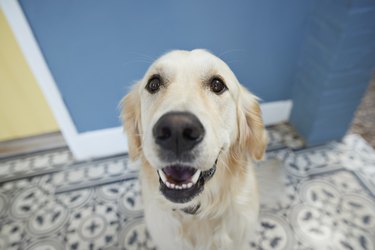
Be patient and be prepared for the process to take longer than it does with puppies. A 2-year-old dog has established habits that you need to replace with new training. Not only will the training process likely take longer but it is also possible that each potty break will take longer than you expect, especially at first.
Dealing with accidents
Even with your best efforts, it is possible that your pup will still have an accident in the house. Make sure to clean up accidents completely with an enzyme cleaner.

Never punish or scold your dog for going potty in the house. This can increase her anxiety and fear and make the issue worse. Instead, interrupt her with a clap or vocalization and then immediately take her outside to the designated spot. Once she finishes going potty, offer plenty of praise and a bit of play.