Hyperglycemia, or high blood sugar, is most commonly associated with diabetes mellitus. This is true for humans and also dogs and cats. Hyperglycemia in dogs usually manifests in predictable ways, so watch for the symptoms discussed below and seek out your veterinarian's advice for managing the condition. It is important to have hyperglycemia addressed medically to prevent serious complications.

Video of the Day
What is hyperglycemia in dogs?
Simply put, hyperglycemia is high blood sugar. Elevated blood glucose usually occurs when there isn't enough insulin or the body isn't able to respond to insulin efficiently to allow the body's cells to take in and utilize glucose. As a result, the cells aren't getting the energy they need to function even though there is more than enough glucose in your dog's bloodstream.
Video of the Day
Hypoglycemia is what the condition is called when a dog's blood sugar levels fall too low. Hypoglycemic dogs are usually treated by administering dextrose or syrup to elevate the blood glucose concentrations.
Symptoms of hyperglycemia in dogs
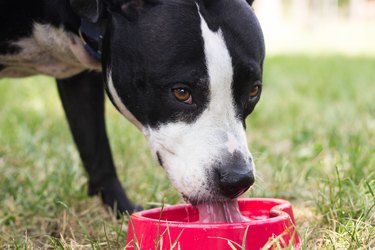
The initial symptoms of high blood sugar in dogs include increased thirst and urination (known in veterinary terms as polyuria/polydipsia, or PUPD). You may notice that your dog is drinking and emptying the water dish more often. As a result, they will likely need more frequent trips outdoors to urinate. Increased urination is also a way for the body to get rid of excess blood sugar.
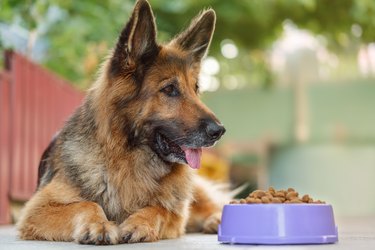
Additionally, your dog may have an increased appetite and try to eat more while maintaining or even losing weight. This occurs because the cells in your dog's body know they need more fuel in the form of glucose but are unable to access it from the bloodstream. Since the cells can't use glucose for fuel, the cells will start to utilize stored fat for energy.
Signs of chronic hyperglycemia in dogs
Chronic hyperglycemia in dogs means that the dog's high blood sugar has persisted over time, usually due to not being addressed medically or treatment that has not been effective. While the early symptoms and stages of high blood sugar and canine diabetes aren't life-threatening, chronic hyperglycemia can have more serious consequences.
Advanced symptoms include loss of appetite, low energy, depression, marked weight loss, and vomiting. In addition, advanced diabetes can cause complications in other organ systems. Some of these include cataracts in the eyes that can result in blindness as well as frequent urinary tract infections, liver issues, and kidney failure. In extreme cases, dogs with unchecked diabetes can have seizures.
Ketoacidosis in dogs
Severe, untreated chronic hyperglycemia can cause diabetic ketoacidosis (DKA), a life-threatening condition that requires emergency hospitalization. This condition occurs when the dog's body breaks down fat to utilize it as a fuel source, resulting in the production of ketones. This increases acidity within the body and causes an imbalance of fluids and minerals.
Dogs with DKA will have increased thirst and urination along with weakness, lethargy, decreased appetite, vomiting, weight loss, and muscle wasting. Dehydration and increased respiration are also signs of DKA. It cannot be emphasized enough that this is a medical emergency, and you should contact your veterinarian immediately if you notice these symptoms. Left untreated, DKA can cause additional complications like heart and kidney failure, brain swelling, and fluid in the lungs. The condition can be fatal.
Causes of hyperglycemia in dogs
Diabetes is the most common cause of hyperglycemia. There are two types of diabetes. Type 1, or insulin deficiency, diabetes (also known as insulin-dependent diabetes) is the most common form in dogs. Dogs with this condition don't make enough insulin to meet the body's needs. Type 2, or insulin-resistant, diabetes is less common and usually affects older dogs. This type occurs when the body makes enough insulin, but the cells don't respond the way they should.
There are several factors that increase a dog's chances of getting diabetes. Older dogs are more likely to be diagnosed with diabetes than young dogs under the age of 5. In addition, female dogs are more likely than male dogs to be diabetic. Obesity and the long-term use of corticosteroid medications also increase risk. Some dog breeds prone to diabetes include beagles, Australian terriers, fox terriers, cairn terriers, Samoyeds, dachshunds, pugs, bichons frises, and miniature poodles.
Other conditions that are associated with hyperglycemia and diabetes mellitus include Cushing's disease (hyperadrenocorticism), excessive amounts of growth hormone (acromegaly), pancreatitis, and some types of cancer.

Diagnosing hyperglycemia in dogs
It is important to seek veterinary care if you suspect that your dog might have hyperglycemia. Your veterinarian will speak with you to get a thorough history, including when the clinical signs started and any other abnormalities you might have noticed with your pet.
They will also perform bloodwork, including a blood glucose measurement and a possible fructosamine measurement as well as a urinalysis to determine if there is excess glucose spilling over into your dog's urine (glucosuria) or if ketones or protein are present in the urine. Your veterinarian will also likely measure your dog's blood pressure, as hypertension can go hand in hand with diabetes mellitus.

Treatment of hyperglycemia in dogs
If your dog has symptoms of high blood sugar, contact your veterinarian to determine the cause and create a treatment plan. Treatment will usually include giving your dog insulin daily (your veterinarian or veterinary technician will teach you how to give injections) and modifying their diet to ensure they are getting the correct amounts of fat, carbohydrates, and protein for their size. Your veterinarian might prescribe a diabetes-specific diet. Moderate exercise and weight loss can also help diabetic dogs feel better.
Your veterinarian will ask you to monitor your dog's behavior and appetite to determine if they are on the correct dose of insulin, and they will likely have you bring your pet in for a day-long test called a glucose curve once the dog is established on their initial dose of insulin. This test will use blood samples and a device called a glucometer to help determine if the insulin dose is optimal for treating your dog's hyperglycemia or if it needs to be adjusted. Some dogs require their insulin to be adjusted several times before finding the right type and dose to optimize their blood glucose levels. For particularly stubborn diabetes, your regular veterinarian might recommend seeking the help of an internal medicine specialist.
A newer device called a continuous glucose monitor can also help you keep track of your dog's blood glucose trends at home, but the most important things to do at home are giving insulin as instructed and monitoring your dog's behavior.
The bottom line
Hyperglycemia in dogs, or high blood sugar, is not something that can be treated with home remedies. You will need to visit your DVM to find out how serious the problem is and to determine if your dog has diabetes. Prolonged or chronically elevated blood sugar in dogs can cause a variety of serious health problems, from weight loss to a possibly fatal condition called diabetic ketoacidosis. Hyperglycemic or diabetic dogs can be treated with daily insulin injections as well as a special diet and exercise.