-
Step 1
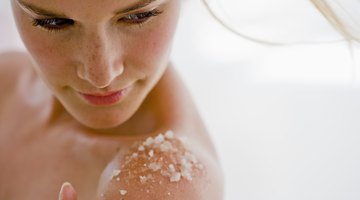
Research the effects and types of microdermabrasion offered by dermatologists. Visit message boards, blogs and websites to determine which microdermabrasion options are available to you.
-
Step 2
Choose a type of microdermabrasion to pursue. Some popular microdermabrasion methods include crystal, crystal free and ultrasonic. Your choice will likely be a matter of preference, send all the methods offer comparable results.
-
Step 3
Call dermatologists' offices to find a dermatologist that offers your preferred type of microdermabrasion. Inquire about equipment if, during your research, you have decided on a model of machine. Some of your dermatologist's personal machines may have better reputations with improving skin texture than others due to their age and model types.
-
Step 4
Meet with the dermatologist for an initial consultation. Let your dermatologist inspect your skin's texture and suggest a different type of mcirodermabrasion or machine if he thinks that it will improve your skin's texture more than the one you have in mind.
-
Step 5
Decide on a length of treatment. Often, a patient's skin texture will not improve until a series of mmicrodermabrasion treatments are completed. Take your dermatologist's advice and book a series of sessions to get the most out of your treatment.
-
Step 6
Undergo your microdermabrasion sessions. Follow your dermatologist's instructions after treatment. Properly caring for your skin after microdermabrasion treatments can maintain the effects of the treatments, including skin texture improvement.
-
Step 7
Invest in a home microdermabrasion kit to maintain your skin's appearance between professional microdermabrasion treatment sessions.