





The Transportation Security Administration (TSA) is the government agency in control of implementing and enforcing security measures for airlines and airports, including what items are allowed to be carried or checked onto a flight. With the restriction in liquids allowed to be carried on, implemented in August 2006, it can be confusing what are you are are not allowed to bring with you. These rules are implemented to ensure the safety of all passengers.
Liquids
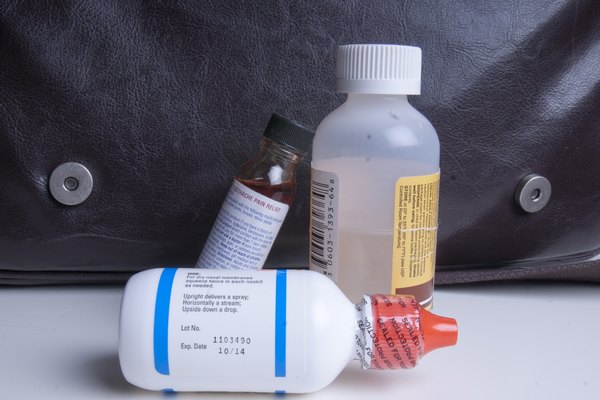
While liquids are generally limited to 3.4-oz(100-ml) bottles or less, in clear, plastic containers, liquid medications are the exception to the rule. In terms of medications, travelers with a medical condition or disability may carry on liquids, gels, water or juices. There is no limit to the amount or volume of these types of liquid medications. However, if the liquid is contained in something larger than 3 oz., or is not contained in a 1-quart, zip-top plastic bag, (such as medication needed by diabetics) then it must be declared and inspected by a TSA security officer. This even includes over-the-counter drugs needed for medical purposes including eyedrops and saline solution.
Documentation
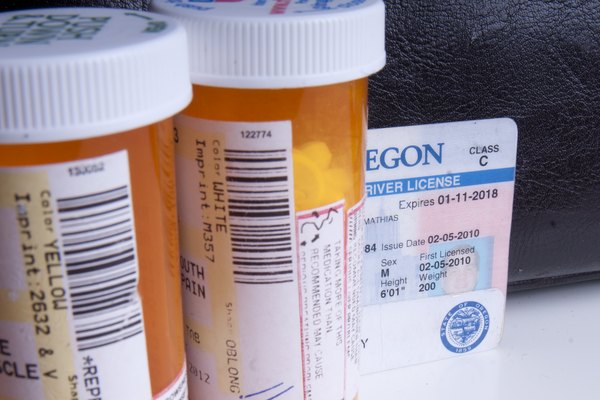
While documentation is not required by TSA, the administration recommends bringing some along, including notes from a doctor or an ID card, stating your medical needs or disabilities so there is no issue when carrying prescription drugs. It is also recommended that any the name on the prescription bottle match your boarding pass, or have an explanation why it does not. Bringing only the amount of medication that is medically necessary is recommended by TSA as it will help prevent delays and ensure the quickest and hassle free screening and boarding conditions.
Non-Liquids
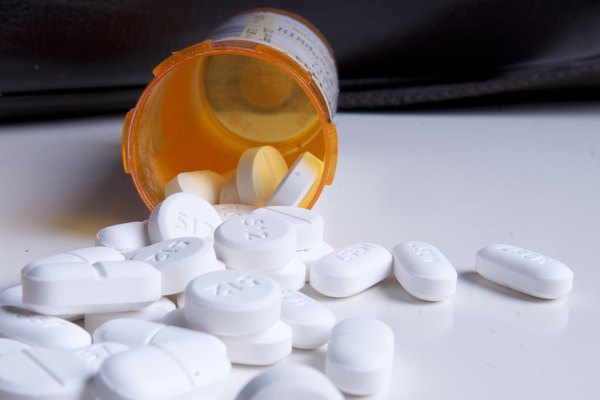
Any other medication, including aerosols or pills, are only allowed through the security checkpoint until after they have been screened by an x-ray. Upon request, you may have your medications inspected by a security officer rather than screened. If the medication can not be cleared through a visual inspection, it may need to be X-rayed.
Photo Credits
- Adam Korst/Demand Media