How to Identify Animal Foot Prints

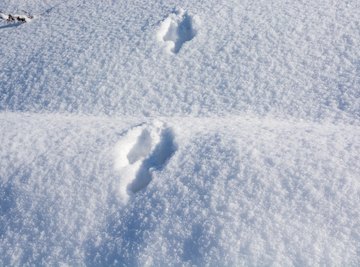
Animals silently walk through yards, parks and recreation areas. These prints or tracks can tell you which animal walked in that spot. In addition to the size and shape of footprints, study pattern in the tracks. Different animals move different ways. Follow these steps to identify the animal footprints you find.

Instructions

    • 1

      Count toes in the footprint. For instance, the raccoon track is distinctive because of the 5 long toes that look like fingers. The raccoon print resembles a child's handprint. Hind feet tracks are larger than those from the front feet. Check for claws in the footprint. Other five-toed animal prints come from the weasel family, which includes skunks.

    • 2

      If you see 4 toes in the track, you probably found tracks from the cat, dog or rabbit family. Cats include mountain lions, bobcats and common house cats. Cats retract their claws when they walk, so you rarely see claws in a cat print. The biggest difference between cat footprints is the size. A house cat's print may be the size of a quarter. A bobcat's tracks are about 1-3/4 inches long, and the mountain lion's track is even larger.

    • 3

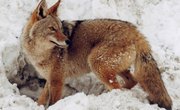
      Look for larger front feet with 4 toes to identify members of the dog family. You may see small triangular marks in front of the footprint. These are claw marks shared by dogs, coyotes, foxes and wolves. Coyote and dog tracks resemble each other, but the coyote footprint is more oval. The gray wolf has a large, rounded footprint up to 6 inches in diameter.

    • 4

      Discover a "Y" shaped pattern of movement that belongs to the rabbit. While rabbits also have 4 toes, they land with their hind feet ahead of the front feet and with one front foot in front of the other.

    • 5

      Locate another hopper that lands with its front feet side-by-side. These interesting footprints with larger hind feet belong to the squirrel. The squirrel's hind feet land spread farther apart than the front feet. Another clue is the 5 toes belonging to the hind feet and 4 toes to the front feet. Other rodents (mice, chipmunks, woodchucks) present the same 4 toes in front and 5 toes in back.

    • 6

      Detect larger hooved mammals by the presences of only 2 toes. Deer walk the same way as cats and dogs, but the print looks almost like a teardrop, coming to a point where the toes meet at the top. Adult deer footprints can be as long as 3-1/4 inches. Larger, rounder tracks belong to the elk.

    • 7

      Huge 5-toed prints belong to a bear. With significantly larger back feet, a bear's tracks will zigzag and look like they came from a drunken animal.

Tips & Warnings

  • A good field guide is indispensable to the amateur animal tracker. Check out "A Field Guide to Animal Tracks" by Olaus J. Murie (Houghton-Mifflin, 1975).

  • Start searching for animal footprints early in the morning before foot traffic cover any clear footprints.

Related Searches:

Comments

  • Janet Webb Jan 13, 2011
    how do I tell a dog's paw print from a coyote's paw print?

You May Also Like

  • About Animal Foot Prints

    You may be asking yourself what is there to know about animal foot prints and why would anybody ever want to know...

  • Identifying Wild Animals Tracks

    Whether you're hiking through a national forest or near your own backyard, you can find signs of wildlife if you know what...

  • How to Find Raccoon Tracks

    Raccoons can be found everywhere from the wilderness to the largest cities. They are very adaptable creatures who are driven to all...

  • How to Identify Dog Footprints

    Dog footprints actually include several different types of animals. Along with domestic dogs, the tracks you're seeing could also be from a...

  • How to Indentify Wild Animal Paw Prints

    Knowing how to identify paw prints can help you identify the mammals that live in your area. Paw prints --- which usually...

  • How to Identify Dog Paw Prints

    It can be an exciting experience to discover animal tracks in snow, dirt and sand. Canine paw prints can be easily mistaken...

  • How to Build a Plastic Deer Blind

    Making a deer blind is a good way to be able to enjoy the outdoors and hunting without freezing or getting rained...

  • How to Identify Wildlife Foot Prints

    Whether you discover animal footprints in mud, sand, snow or some other venue, having the ability to determine what left them behind...

  • Animal Footprint Games for Kids

    Children tend to be attracted to animals, perhaps because they are different or cute and cuddly. Turn this fascination into a learning...

  • How to Identify Animal Footprint Tracks

    When out in the wilderness, whether on vacation or just out for a short hike, it's a good idea to know what...

  • How to Identify Animal Tracks in Snow

    Whether you are a hunter, a hiker or just a passer-by, no one can avoid the curiosity of animal tracks. Whether they...

  • How to Identify Animal Tracks in Florida

    Animal tracking skills helped early man find food, avoid predators and use the landscape to his advantage. These skills are practiced today...

  • The Differences Between Animal Prints & Tracks

    Animal prints (or footprints) and tracks are left by many types of animals and can be found in numerous locations. Snow, sand...

  • How to Identify a Coyote

    Coyotes live throughout North America from Alaska to New England and south through Mexico to Panama. They inhabit all geographical zones, from...

  • How to Draw a Dinosaur Footprint

    Whether drawing a dinosaur footprint for a science fair poster or to decorate a dinosaur-themed bedroom, consider the type of dinosaur footprint...

  • How to Spot Deer Tracks

    If you want to know if deer are playing in your back yard, or you are spending a day hiking and want...

  • How to Track Animal Paw Prints

    Animals in the wild naturally avoid human contact, however, you can identify their tracks in sand, snow, or in soft dirt. Native...

  • How to Identify Coyote Tracks

    Coyotes are pests to many hunters and landowners. If you learn how to identify them your hunting experience can be much more...

Related Ads

Featured