You love them dearly, and they don't have much longer. Caring for your dying cat is hard, perhaps more on the emotional level than actually providing for their daily needs. In their last weeks, they might experience good days and bad days. When the latter outweigh the former, it's time to say goodbye. That doesn't mean it's an easy decision for any cat owners, whether it's saying goodbye to senior cats or a healthy cat that had an accident or developed a medical condition. The old saying remains true: "Grief is the price we pay for love."

Video of the Day
Signs your cat may be dying
If your elderly cat is reaching the end of their natural life span or if they are succumbing to a terminal illness, such as kidney disease, there are certain common signs that indicate the end is near. All or any of these signs don't necessarily mean that a cat is dying; they can also be signs of an acute illness or a treatable disease. In addition, old age in itself is not a disease. Always contact your veterinarian with any concerns regarding your cat's health.
Video of the Day
- Extreme lethargy: Sleeping most of the time or a very dull mentation
- Behavioral changes: Increased irritability or extreme clinginess; excessive vocalizing/meowing
- Withdrawal: Hiding or avoiding interaction with humans and other pets
- Refusing food and/or water: Eventually, they might not eat or drink at all
- Weight loss: Often the result of muscle wasting and can be gradual or can happen quickly
- Sluggish vital signs: Low body temperature and/or significantly decreased heart rate
End-of-life care for a dying cat
Providing appropriate care for a cat nearing the end of their life can help your pet to remain as comfortable as possible during their final days.
Feeding a dying cat
Typically, when cats become terminally ill, they lose interest in food. However, sick cats might take nourishment if you coax them to the food bowl. If they won't eat their regular food, try baby food (as long as it does not contain garlic or onions, which are toxic to cats); plain, boiled chicken cut into small pieces or put through a blender; chicken broth; tuna; or any variety of canned cat food.
Keeping a dying cat clean and comfortable
Some cats experience incontinence during their final days. If this is the case for your pet, keep the cat's bed clean and comfortable. Place soft, washable pads under them and clean your cat with warm water as needed. If their mobility is limited, gently reposition them regularly to prevent pressure sores. Brush your cat gently every day. Not only is this comforting but it can help stop matting in cats who no longer groom themselves. Check their nails regularly to make sure they are not becoming ingrown and trim them often.
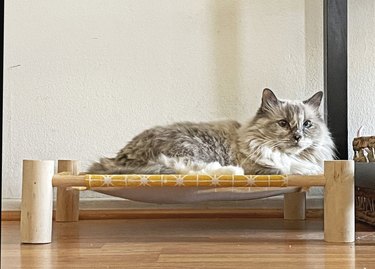
Creating a quiet place for a dying cat
Keep your cat in a quiet, warm place away from household traffic, other pets, and kids. Avoid playing loud music in your house; soft, gentle music is fine. Provide your pet with a comfortable bed and close access to a water bowl and litter box. While the cat's surroundings should be quiet, they shouldn't be dark. Natural light is fine during daytime; keep a low-level light nearby at night. Spend time petting and comforting your cat. You and other family members should use a soft, soothing tone of voice when with the cat.
Pain assessment for a cat near death
You and your veterinarian must constantly assess your cat's pain level. Depending on the disease, your cat might experience little or moderate pain as their body begins shutting down, or they could suffer severely. Your veterinarian can provide appropriate pain medication, but you might have to administer medications a few times daily to keep them comfortable. Behavioral changes can indicate the presence of pain, even in a medicated cat. Ask your veterinarian about complementary pain therapies, such as massage or acupuncture.
How do I know when to let my cat die?
If your cat has a complete loss of appetite, has difficulty breathing, or shows signs of pain even with medication, it's probably time to let go. Think about your pet's quality of life and listen to your veterinarian. Some veterinarians will come to your home and put your cat to sleep so the cat doesn't endure the stress of a car ride. If your veterinarian doesn't offer that option, it's likely you can schedule your pet euthanasia late in the day, which is the usual time practices conduct this service.

How to say goodbye to a dying cat
Saying goodbye is often the most difficult step when it comes to dealing with a beloved cat's death. If you suspect their final days are near or if you and your veterinarian choose euthanasia, spend some time with your cat beforehand. You can tell them goodbye verbally or just comfort them by holding them or being near them. If they are still eating, you can also offer them some tasty treats.
Whether or not you stay with your cat during the euthanasia procedure is up to you. Do whatever feels right for you and your pet. The veterinarian will arrange for cremation or burial services. In many places, you can choose to take your cat's body home for burial.
Your veterinarian can also provide you with information on bereavement counseling for pet owners. The counselors understand that your cat was an important loved one and a family member, and they can help you through the grieving process.
The bottom line
A pet's death is not something that pet parents want to think about, but every owner will eventually have to face the end of their cat's life. Knowing the signs that death might be imminent, understanding what to expect and how to care for them during their final days, being aware of symptoms of suffering and pain, and then preparing for the emotional impact can help smooth the decision to euthanize or not for both pet and family member. If you think your cat might be getting close to the end of their life, talk to your DVM about the most appropriate course of action.