This Season
 

How to Eat Whole Foods for Health

How to Eat Whole Foods for Healththumbnail
Eat Whole Foods for Health

Most of us have busy lifestyles and are looking for a quick meal. We reach for pre-packaged foods that are convenient to pop into a microwave. The problem is we loose the vital nutrients our body needs when we eat processed foods. We should be eating whole foods to reduce the risk of heart disease, cancer and high cholesterol. Be smart. Eat healthy. Read on to learn more.

Related Searches:
    Difficulty:
    Easy

    Instructions

      • 1

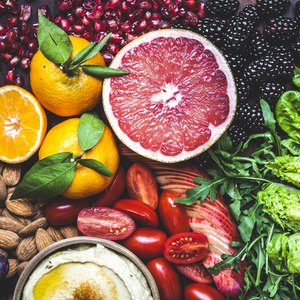
        Know what whole foods consist of. Fruits, vegetables, nuts, grains and seeds that are in their natural form and have not been processed are considered whole foods. Animal whole foods are small fish, shellfish, small fowl and eggs. Good choices for pork and beef are the smaller body parts like kidney and liver.

      • 2

        Buy foods that are fresh rather than canned or frozen whenever possible. The sooner you consume the whole foods from where they originated the more nutritional value they have. A lot of nutrients are lost in packaged food.

      • 3

        Shop at farmers markets for fresh food. Fresh vegetables and fruits don't contain the additives and preservatives of their canned and prepackaged counterparts.

      • 4

        Eating whole foods provides more vitamins and minerals in your diet. These foods are high in phytoestrogens, fiber, antioxidants and resistant starches. Resistant starch is a special type of carbohydrate that works well with your body.

      • 5

        Prepare whole foods baked or broiled in light oil like sesame oil or the heartier olive oil. Both are healthy for you. Don't ruin the benefits of nutritious foods by cooking them in harmful fats.

      • 6

        Learn to read labels. Always avoid partially hydrogenated oils and saturated fats. Check the amount of cholesterol, sugar and sodium too. Reach for high fiber and protein rich foods.

      • 7

        Eat organic whole foods for an added health benefit. Pesticides and herbicides are sprayed on non-organic food to preserve it and keep pests away. Consuming these chemicals can be harmful to you. Drink organic milk which does not contain hormones and antibiotics.

    Related Searches

    Read Next:

    You May Also Like

    • What Are Whole Foods?

      Learn what whole-foods are from our expert and why they are such a healthy alternative to other foods in this free cooking...

    • Why Eat Almond Butter in Whole Foods?

      Learn why to eat almond butter as a good whole food lunch idea from our expert in this free cooking video on...

    • How to Eat a Whole Fish

      eHow Food, Rachael Ray and her Buddies want to show you how to get more out of every day, every meal and...

    • How to Eat the Right Foods on a Somersize Diet

      Most people who turn away from or fall off of the Somersize eating plan do so, not because they feel deprived or...

    • Why Eat Whole Grains?

      eHow Food, Rachael Ray and her Buddies want to show you how to get more out of every day, every meal and...

    • How to Eat Clean

      "Clean eating" is practiced by bodybuilders and health-conscious people alike. Clean foods are natural, free of added sugars, hydrogenated fats, trans-fats and...

    • Health & Digestion with Slow Eating

      Eating slowly and chewing your food will promote better digestion. Learn how to shop for healthy foods to improve your diet and...

    • Alternative Whole Foods Cooking Schools

      For the chef who has a passion for cooking naturally, a number of cooking programs exist. By learning to cook with whole...

    • Plant Based Diet With Whole Foods

      Journalist and UC Berkeley professor Michal Pollan has made a name for himself in recent years with books and articles about food,...

    Follow eHow

    Related Ads