How to Create a Monarch Butterfly Garden
Monarch butterflies are a joy to watch. Encouraging monarchs to enjoy your yard is fun and easy, and a perfect project for children.
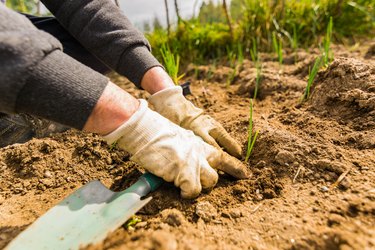
Butterfly weed, a kind of milkweed, is the host plant for monarchs. Most of the monarch's life cycle is dependent upon this variety of plant. The plants (Asclepias tuberosa) are easy to grow in well-drained soil and don't need much care.
Does this Spark an idea?
Things You'll Need
- Butterfly Weed plants or seeds
- A small, sunny area to set up your garden
- Shallow dish for butterfly bath
- Two or more smooth pebbles
- Handful of sand
Instructions
-
- 1
-
2
Make an easy butterfly bath by putting some sand in a shallow dish. Arrange a few smooth rocks or pebbles for the butterflies to rest on, and add some water. The sand should be kept moist, so watch for evaporation. Make sure the rocks are not covered by water. Place the bath on a stand or the ground, near the butterfly weed.
-
-
3
In summer, check the plants every day or other day for monarch caterpillars. They will hatch from eggs and begin feeding on the plants. (They don't eat enough to hurt the plants.) Once the caterpillars arrive, watch them every day to see them grow bigger. They will eventually leave the plant to find a safe place to make their chrysalis.
-
4
You may see small whitish dots on the leaves, which are more eggs. These will hatch into more caterpillars. Look around the area and you might see a chrysalis hanging from a twig. Do not disturb.
-
5
The caterpillar will continue its life cycle in the chrysalis, and in about ten days, emerge as a beautiful monarch butterfly. Continue to enjoy watching your butterfly garden, as the butterflies return to the plants to continue feeding. The females will lay more eggs and the cycle continues until it's time for the monarchs to migrate south.
Tips & Warnings
Butterfly weed, sometimes sold as butterfly flower, can be found in many nurseries
Butterfly weed can be grown from seed, but must be started indoors in late winter or early spring and then transplanted into the garden
Seeds are available at many seed stores online, or seed swaps among butterfly gardeners
You may also enjoy tagging your butterflies and keeping track of their migration
In fall, gather the seed pods from your butterfly weed to grow more plants or share with friends
Never use pesticides near your butterfly garden or you will harm or kill them
Watch for aphids (tiny orange or yellow balls with legs) on the plants; they can be easily sprayed off with a blast of water, or clip the clusters at the base of the leaf and drop in a can of soapy water