eHow launches Android app: Get the best of eHow on the go.

How To

How to Care for Antique Linens

Contributor
By eHow Contributing Writer
(5 Ratings)

Most antique linens were designed to last for generations. With careful cleaning and storing, antique linens can retain their original beauty and usefulness. When you shop for antique linens, look for linens that can be restored. Linens with a great deal of yellowing or browning will likely not regain their original appeal, at least not without serious professional intervention. However, most linens can be revitalized and enjoyed if treated carefully.

Difficulty: Moderate
Instructions

Things You'll Need:

    Cleaning

  1. Step 1

    Determine the durability of the antique linens. If you're worried that the linen won't withstand a solid soaking you might want to fold it neatly in a square and baste the edges with a color-fast thread.

  2. Step 2

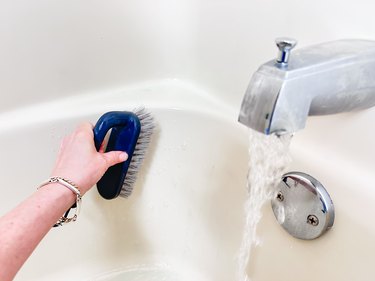
    Fill a large tub with hot water and a mild soap. Restoration, Oxyclean or pure soap flakes are good options. Run the water until all the soap is dissolved. Soak the linens for several hours.

  3. Step 3

    Drain the tub. Check the linens. If stains are still present, repeat the soaking process again. After two soakings, if stains persist, try laundry detergent and bleach. Be sure to drain and refresh the water before adding a new kind of detergent, so as to avoid reactions.

  4. Step 4

    Refill the tub and add white vinegar. Let your stain-free linens soak up to 20 minutes.

  5. Step 5

    Drain tub again. Refill with fresh water and let linen soak for 15 minutes.

  6. Step 6

    Undo the basting, and remove your linens from the water when you're certain there's no soap residue left. Lay antique linens flat to dry. Keep them out of the sun, as sun may fade and damage them.

  7. Step 7

    Iron linens when they're still quite damp, but iron them only if you intend to use them right away. Iron them on high and keep the iron dry.

  8. Storing

  9. Step 1

    Storing linens properly is important. Linen reacts to wood pulp, so avoid storing linens in tissue paper, newspaper or cardboard, on wooden hangers or in wooden drawers.

  10. Step 2

    Choose polyethylene containers. This plastic won't break down like the plastic that dry-cleaning bags are made of. Polyethylene won't deteriorate the linen over time.

  11. Step 3

    Wrap linens in acid-free tissue paper or Tyvec. Acid-free storage boxed and tubes also are a great option.

  12. Step 4

    Seal boxes or tubes with book-binding tape or cotton twill tape. These won't react with the linen.

  13. Step 5

    Roll tablecloths and store them in tubes. Creases will become permanent over time.

  14. Step 6

    Hang linens on polyethylene hangers to prevent the fabric from deteriorating, if you must hang them to store them.

Tips & Warnings
  • Two tablespoons of salt can help stiffen lace and can somewhat prevent colors from bleeding.
  • Fabrics react differently, so not every method of laundering is effective for every linen. Consider your linen before attempting to launder it.

Comments  

camama said

Flag This Comment

on 10/8/2007 Absolutely useful article! Thank you for the help. I deal in antiques and often come across gorgeous linens that I have to pass up because I'm not sure how to clean them. I'll be sure to try the vinegar soaking!

Subscribe

Post a Comment

Post a Comment

Related Ads

  • Have you done this? Click here to let us know.
I Did This
Get Free Home & Garden Newsletters
Copyright © 1999-2009 eHow, Inc. Use of this web site constitutes acceptance of the eHow Terms of Use and Privacy Policy.   en-US Portions of this page are modifications based on work created and shared by Google and used according to terms described in the Creative Commons 3.0 Attribution License.

eHow Home and Garden

eHow_eHow Home and Garden