
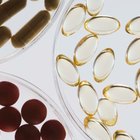
Wavebreakmedia Ltd/Wavebreak Media/Getty Images
Nutra Cleanse is a line of all-natural, gluten-free dietary-fiber supplements. Nutra Cleanse Inc. claims that its line addresses the lack of fiber in the typical North American diet. The company says that its products, based on a 150 year-old Finnish recipe, promote daily regularity and optimum colon health. The products are also said to remove toxins from the body. As with any other supplement, talk with your doctor before using Nutra Cleanse.
Fighting Constipation
Constipation often results from an insufficient intake of dietary fiber. The primary source of fiber is plant foods. Specifically, the fiber comes from the parts of the plant that you cannot digest. You should consume 25 to 38 grams of fiber per day, according to the Institute of Medicine, but many Americans do not meet their daily recommendation. One daily serving of Nutra Cleanse provides you with approximately 56 percent of your recommended daily fiber.
Large Intestine Lubrication
Nutra Cleanse contains flax, olive oil, borage and fish oil and contains 9 grams of fat per serving. Nutra Cleanse says that its products have lubricating properties, facilitating the removal of waste. The manufacturer does not back up this claim with clinical evidence, but Dr. Edward F. Group III writes in “Complete Colon Cleanse: the at-Home Detox Program to Restore Good health, Boost Vitality, and Ensure Longevity" that the ingredients in Nutra Cleanse products do support colon health.
Other Benefits
Nutra Cleanse claims that its products offer additional health benefits, including optimum regularity, lower blood pressure and cholesterol and detoxification, but these have not been proven. Moreover, Nutra Cleanse claims that its products improve your digestion by supporting the absorption of nutrients, provide you with increased energy and help you to maintain a healthy body weight. There are no studies to back up these claims.
How to Use
Nutra Cleanse recommends drinking an 8-ounce glass of water half an hour before every meal. Approximately 15 minutes before your morning and evening meals, mix 2 to 3 heaping tablespoons of Nutra Cleanse into a glass of juice or milk. Drink the solution before your meals. Additionally, you should eat less at your meals and exercise daily. If you are on a low-fiber diet for a medical condition, or if you are pregnant or breastfeeding, talk to your doctor before using this supplement.
Related Articles
The Safety of the 7 Day GNC Total Body ...
Jevity Nutrition Information

Shampoos for Hair Loss Due to ...

Low-Fiber Foods for a Colonoscopy

Does Milk Thistle Help Skin?

Skin Care Products That Contain ...

What Is an Obagi Blender?

How to Repair Open Pores
Fiber Sure by Metamucil Ingredients

Ingredients in Hairfinity Vitamins

Can Age Spots Be Reversed?

Fat-Free and Sugar-Free Jell-O Pudding ...

Does Benefiber Lower Cholesterol?
Does Prune Juice Work As a Colon ...
Metamucil Dosage for Cats

How to Respond to a Compliment From a ...

Is Proactive Too Strong for Sensitive ...

L-Lysine for Hair Growth
What Foods Provide Calcium D-Glucarate?

Products Used in Maintenance on the ...
References
- "Complete Colon Cleanse"; Dr. Edward F. Group III; 2007
Writer Bio
Allison Adams has worked as a registered dietitian since 1996. She began writing professionally in 2000, with work featured in a variety of medical publications such as "Women's Health Magazine" and the "New England Journal of Medicine." Adams holds a Master of Science in nutrition and food sciences from the University of Wisconsin-Madison.
Photo Credits
Wavebreakmedia Ltd/Wavebreak Media/Getty Images