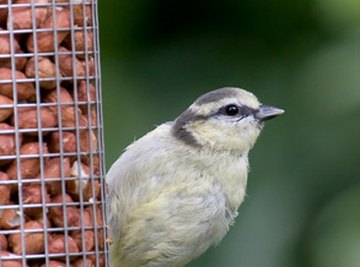
If you’ve set up a bird feeder to no avail, there are several things you can do that will help attract birds to your feeders. Birds are continually looking for safe places to establish a home that is convenient to water and nourishment.
Adding elements in and around your property, in addition to bird feeders, that provide a safe, stress-free habitat, will help attract birds to feeders and keep them coming back. Follow these seven steps and you will be attracting birds to feeders and your garden in no time.
Be sure to clean bird bath's regularly as stagnant water can cause the spread of disease.
For fun install a nest box camera to learn more about bird behavior and watch baby birds grow.
- Various types of feeders
- Various types of feed
- Water source
- Shiny yard art
- Birdhouses
- Nesting boxes
- Shrubbery, trees (optional)
Consider adding shrubbery or trees that will give birds a habitat that offers shelter from weather and predators. Trees and shrubs with dense foliage make excellent places for birds to hide and build nests.
Avoid buying mixed bird feed as most contain filler that birds won't eat, which ends up turning to mold. Diane Porter, creator of the Birdwatching website, recommends purchasing various types of bird seed and mixing it yourself. It may be a little more expensive, but will save money in the long run and be healthier for the birds.
Purchase small pieces of shiny yard art to stick in the ground near the feeders. We have all heard of magpies being attracted to shiny objects but other birds like them too.
The Yard Envy website suggests placing any type of shiny object under feeders to help attract birds. Consider small globes used for decoration, shiny garden figures or mosaic art made from pieces of mirror and tile.
Provide a water source for birds to drink and bathe in. While a simple birdbath will do, birds love running water such as a small garden pond, stream or waterfall.
Allow your creativity to work within your budget to create something special for your feathered tenants.
Warnings
Make several different types of feeders and bird feeder stands available and consider placing them at varying heights. Some birds prefer to eat while perching, and other, less choosy birds eat heartily from platform feeders.
Perching feeders may be more attracted to hanging feeders with posts for the birds to stand on. Platform feeders simply allow birds to stand and eat from a tray, and suet feeders work for all types of birds. To attract hummingbirds, hang a hummingbird feeder nearby. The more varieties of feeders you have, the greater varieties of birds you will attract.
Hang feeders so that birds can eat safely. Choose areas that receive little traffic and are out of direct view of pets.
Birds that can eat in peace will most likely return on a regular basis.
Select a variety of bird feeder food such as black-oiled sunflower seeds, safflower seeds, nyjer (thistle seeds), cracked corn and other specialty seeds.
Suet cakes will be necessary if you’ve purchased a suet feeder, as well as hummingbird nectar for hummingbird feeders.
Remove any caked food from feeders before it becomes moldy. Birds will eventually turn their beaks up to feeders that are not maintained.
Keeping feeders and areas of water supply clean is essential for healthy birds.
Provide birdhouses and nesting boxes to allow birds an opportunity to build nests and stay where food and water are plentiful. Different birds exhibit different nesting behaviors. Some may prefer a box attached to the house while others prefer trees.
The size of the access holes will also determine the type of birds you attract. Select birdhouses suitable for the birds in your area that you want to attract.
Tips
Things You'll Need
Tips
Warnings
References
Resources
Tips
- Consider adding shrubbery or trees that will give birds a habitat that offers shelter from weather and predators. Trees and shrubs with dense foliage make excellent places for birds to hide and build nests.
Warnings
- Avoid buying mixed bird feed as most contain filler that birds won't eat, which ends up turning to mold. Diane Porter, creator of the Birdwatching website, recommends purchasing various types of bird seed and mixing it yourself. It may be a little more expensive, but will save money in the long run and be healthier for the birds.
About the Author
Patricia Hill is a freelance writer who contributes to several websites and organizations, including various private sectors. She also contributes to the online magazine, Orato.com. Empowered by a need to reveal that unhealthy food and diet is a source of health-related issues, Hill is currently working on a cookbook and website for individuals with Crohn's disease.
Photo Credits
Blue Tit Feeding image by Cambo from Fotolia.com