
architetta /iStock
The Jewish High Holidays—Rosh Hashanah (the Jewish New Year) and Yom Kippur (Day of Atonement)—are among the most sacred days of the year. These are days of celebration, self-reflection and repentance.
When attending synagogue on these High Holy days, it is important to dress comfortably and respectfully. Here’s what to wear.
Rosh Hashanah

Tim Robbins/Mint Images/Getty Images
For Rosh Hashanah attire, go with a nice, stylish daytime outfit. Dressy, as if you were going to a daytime wedding, but less formal than an evening event.

For women, shoulders should always be covered. Nice pants or skirts are appropriate, however skirt hemlines should end just right above the knee or lower. Simple and tasteful makeup and jewelry is best. For men, choose a collared shirt and tie. A jacket is optional, but nice.
iStock.com
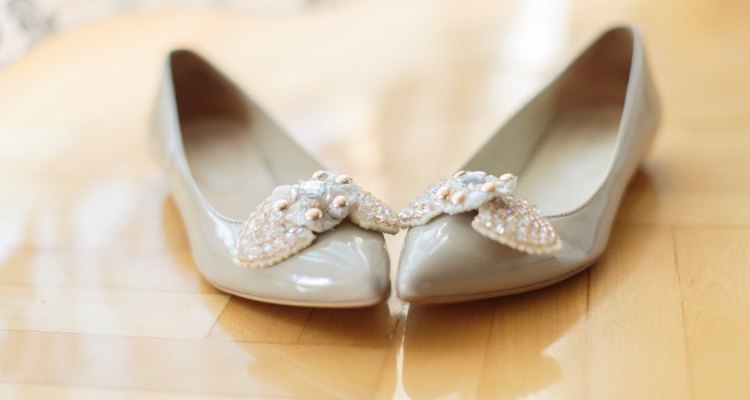
Wear comfortable shoes. Synagogue services require frequent rising and standing for periods of time.
Robert Nicholas/OJO Images/Getty Images
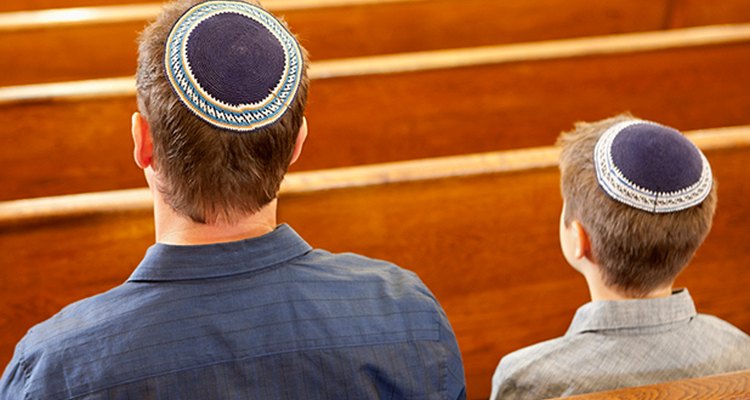
Men don a small round skullcap, otherwise known as a kippah or yarmulke, to show respect to God. Some Jewish women may choose to cover their head with a scarf, hat or wig after they are married. However for most women, this is optional.
Robert Nicholas/OJO Images/Getty Images
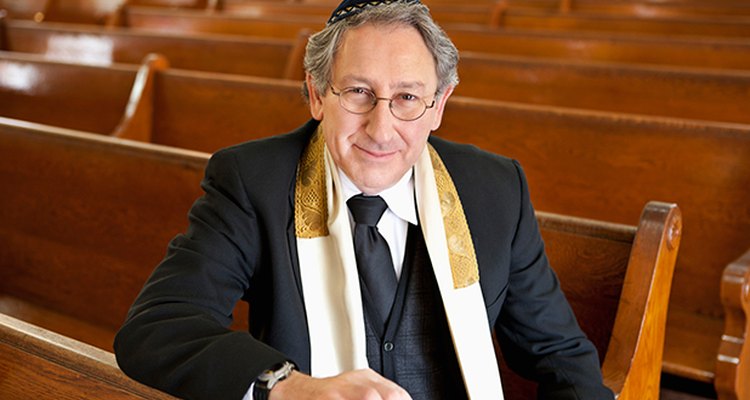
If you are Jewish and older than 13 (meaning you have come of age in the eyes of the religion), you can choose to wear a prayer shawl or tallit. Typically worn by males, a prayer shawl is made with ritually tied knots known as tzitzit at the four corners and a specific blessing printed on the neckband. Most synagogues have extra prayer shawls on a rack at the entrance that you can borrow these during services.
Yom Kippur
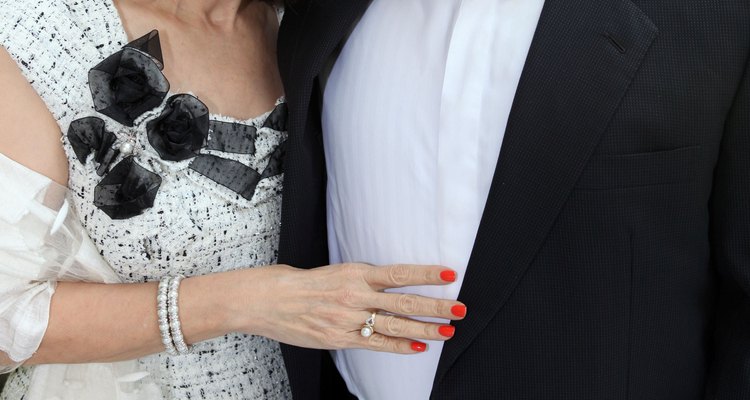
For Yom Kippur, start with a similarly modest and elegant outfit to the one you chose for Rosh Hashanah. Again, women should cover their shoulders and show only a little bit of skin above the knee. Men at most synagogues wear ties and jackets.
iStock.com
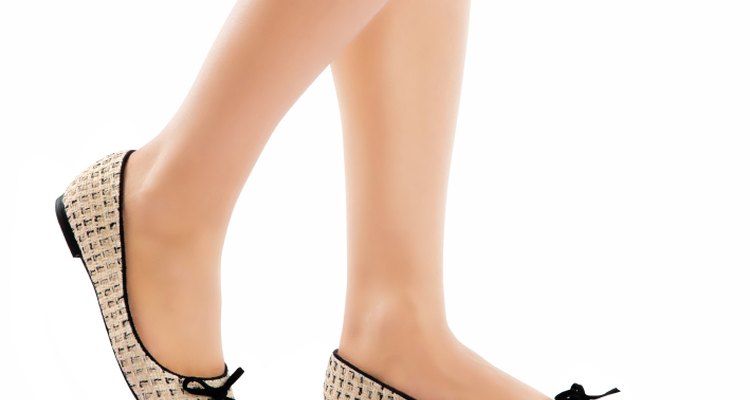
Choose non-leather shoes. Wearing leather is among one of the five prohibitions (along with eating and drinking) on Yom Kippur. Many people wear relatively casual shoes such as canvas sneakers to follow this tradition. Any synthetic, non-leather shoe is ideal.
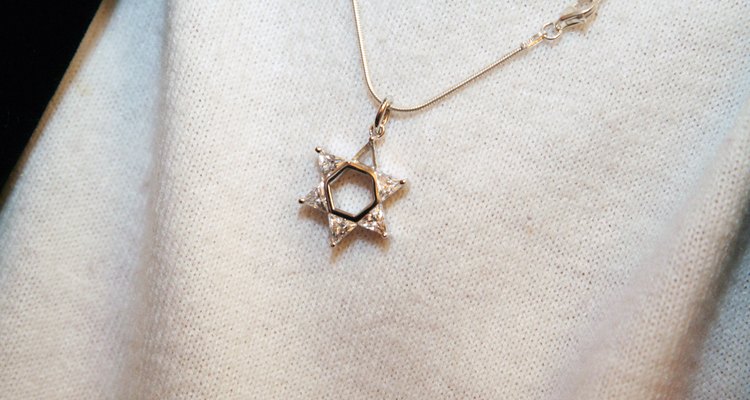
It’s customary to wear white (or a light color)—a tradition that symbolizes purity on Yom Kippur. The symbolism stems from the following verse in Isaiah (1:18): "Though your sins are like scarlet, they shall be as white as snow." The rabbi and cantor will usually wear kittels, or ritual white robes. It's rare for congregants to wear these, so white or light clothing fulfills the same purpose.

barsik /iStock
Similar to Rosh Hashanah, wear a head covering (required for men, optional for women) and a four-cornered prayer shawl, or tallit, if you choose.
Related Articles

What Is the Proper Attire for a Bat ...

The Proper Attire for a Girl's First ...
How to Dress for a Bris Ceremony
What Do Guests Wear to an Indian ...

What to Wear to A Muslim Wedding

Formal Wear for a Black Tie Affair for ...

What Would a Girl Wear to a "Miami ...
How to Wear a Prayer Shawl

Quinceanera Requirements

What Is the Proper Clothing for Mormon ...

What Is the Traditional Dress Color for ...

What Do the English Wear to an Amish ...

Prayer Shawls at Jewish Weddings
Dress Etiquette for Jewish Funerals
Romanian Orthodox Wedding Traditions
Jewish Funeral Etiquette for Gentiles

What to Wear to a Granddaughter's ...

Types of Evening Wear
What to Wear to Visitation at a Funeral ...

What to Wear to a Funeral for Women
References
Writer Bio
Alexandra Perloe has been writing professionally for seven years, and has been published in the Boston Globe, the Sentinel and Enterprise (Fitchburg, Massachusetts), the Jewish Exponent (Philadelphia) and the Jewish Advocate (Boston). She was also the deputy editor of the Justice, the student newspaper of Brandeis University, from which she graduated summa cum laude with highest honors in psychology, and Spanish language and literature.
Photo Credits
architetta /iStock