

How to File Concrete

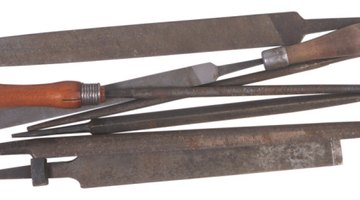
You can file concrete to give it a more finished appearance, smooth out rough edges or even to create artistic sculptures. Generally when filing concrete, you should use a rasp instead of a regular file because the larger teeth or grit on the rasp are better suited to the rough texture of the concrete.
Take care when filing concrete because the dust can irritate the skin, eyes, nose and throat. Too much inhalation can cause a lung disease called silicosis.
-
Reduce skin exposure by wearing alkali-resistant gloves, long sleeves and pants. Wear safety glasses with side shields, or even goggles if you plan to do a lot of filing. If you can't avoid breathing the dust, wear a dust mask on a small job and a respirator for jobs that will last for long periods.
-
Wet down the concrete you will be filing to keep down the amount of dust. Continue wetting down the concrete throughout the project.
-
Use a rasp or file to file away the concrete at the desired location. Move the rasp or file in a back and forth motion along the surface of the concrete, applying downward pressure. A rasp or file coated with tungsten carbide or diamond bits will make the work go faster.
The Drip Cap
- You can file concrete to give it a more finished appearance, smooth out rough edges or even to create artistic sculptures.
- Too much inhalation can cause a lung disease called silicosis.
- If you can't avoid breathing the dust, wear a dust mask on a small job and a respirator for jobs that will last for long periods.
References
Writer Bio
Alan Sembera began writing for local newspapers in Texas and Louisiana. His professional career includes stints as a computer tech, information editor and income tax preparer. Sembera now writes full time about business and technology. He holds a Bachelor of Arts in journalism from Texas A&M University.
Photo Credits
- Hemera Technologies/PhotoObjects.net/Getty Images
- Hemera Technologies/PhotoObjects.net/Getty Images
More Articles

