How to Make a Liqueur

By eHow Food & Drink Editor

Rate: (0 Ratings)

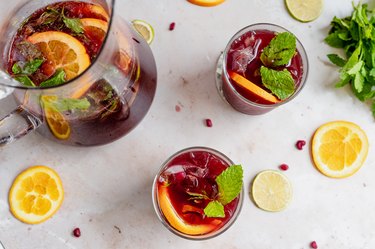
Liqueurs are sweet, concentrated alcoholic beverages flavored with fruits, herbs, chocolate or coffee. With their jewel-like colors and delectable aromas, liqueurs make the perfect ending to a dinner party or a romantic evening. You can find brand-name liqueurs to suit every taste, but it's even more fun (and less expensive) to experiment with making your own. Follow this basic recipe to make a fruit liqueur.

Instructions

Difficulty: Moderately Easy

Things You’ll Need:

  • Fruit of your choice
  • 1.5 liter glass jars with airtight lids
  • Good quality vodka, 80 to 100 proof
  • Paper coffee filters or paper towels
  • Sieve or colander
  • Sugar
  • Funnel
  • Individual bottles with airtight caps or corks

Step1
Choose the fruit to flavor your liqueur recipe. You can stick with one fruit, such as peaches, or go with a complementary combination, such as oranges and cranberries. Select firm, juicy, ripe fruits with no soft spots or signs of decay.
Step2
Wash the fruit and chop it coarsely. You do not need to peel the fruit or remove pits from peaches and other stone fruits. Crush berries slightly to release their flavor, but do not puree them. Place the fruit in a 1.5 liter glass jar, packing it loosely until the jar is about three-quarters full.
Step3
Cover the fruit with vodka, letting it fill up all the spaces in the jar until the liquid is about one half inch from the top. Seal the lid of the jar tightly, and put it in a cool, dark place to steep for two weeks.
Step4
Open the jar and strain the steeped liquid through a sieve or colander into another jar to remove the large solids. Then filter it again, this time pouring the liquid through a coffee filter or a colander lined with paper towels. Repeat this process several times, replacing the filter or paper towels each time, until you have removed as much fine sediment as you can.
Step5
Make a simple sugar syrup by boiling 2 parts sugar in 1 part water, stirring until the sugar has dissolved completely. Let the syrup cool, and use it to sweeten your liqueur. The best ratio is usually 1 part sugar syrup to 3 parts liqueur, but you can taste to adjust the sweetening level. Use more sweetener if you start with tart fruit.
Step6
Use a funnel lined with paper towels to strain your sweetened liqueur into individual bottles. Cap the bottles or seal them with corks, making sure the seal is airtight. Store the bottles in a cool, dark place for up to three months to age. Taste for quality. Then proudly serve your homemade fruit liqueur, or give it as a gift.

Tips & Warnings

  • You can vary this basic liqueur recipe endlessly. Experiment with different combinations of fruits, herbs, spices and essences. Use diluted grain spirits, tequila or another white liquor for the base, or try cognac or bourbon. (Liquors with their own strong flavor may overwhelm your flavorings, so be sure you like the taste of the liquor alone.) Add mint, lemon peel, even peppercorns to liqueurs to spark the flavor.
  • You can find individual bottles at cooking-supply stores or import stores. Or thoroughly wash and reuse interesting bottles you collect, like wine bottles or other liqueur bottles. You can buy new corks to seal bottles with standard size openings.
  • Check online for liqueur recipes that approximate brand-name liqueurs like Amaretto, Peppermint Schnapps, or Kahlua. You won't be able to get an exact match, but you can come close. And you might want to experiment with these recipes like chocolate mint coffee liqueur or peach liqueur with raspberries.
  • Serve liqueurs in small stemmed glasses, or pour over ice cream or berries for a memorable dessert.
  • Be sure your steeping jar and individual bottles are sealed tightly. Air that gets in can affect the taste of the liqueur. Mold can spoil the fruit.
  • Watch for signs of spoilage (cloudiness, obvious mold growth) as your liqueur steeps. After decanting into individual bottles for aging, test a bottle occasionally to check for odd flavors or unpleasant smells. Toss any spoiled batches and start over.
  • Don't overage your liqueur. If it doesn't taste right after 3 months, more time won't help. Scrap the batch and try again.

Post a Comment

POST A COMMENT

Request a New How-To Article

Looking for more How To information? Chances are there’s an eHow member who knows how to do what you’re looking to do. Submit an article request now!

eHow Article:  How to Make a Liqueur

eHow Food & Drink Editor

eHow Food & Drink Editor

Category: Food & Drink

Articles: See my other articles

Related Ads

Food & Drink

Bethenny
Meet Bethenny Frankel eHow’s Food & Drink Expert.