eHow launches Android app: Get the best of eHow on the go.

How To

How to Attract Animals to a Wildlife Garden

Contributor
By eHow Contributing Writer
(8 Ratings)

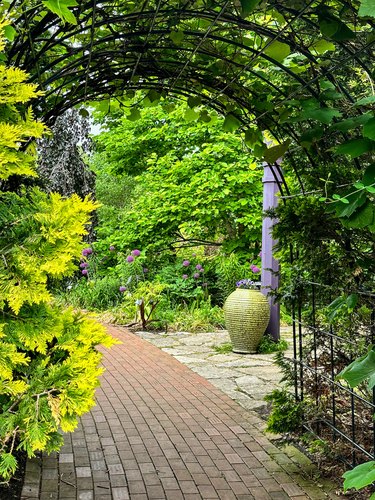
Setting up a wildlife garden takes planning, but it isn't difficult to anticipate the essentials. Wildlife needs what we all need. They need clean water, clean food and protected shelter that caters to their social organization and reproductive habits. Supply wildlife with their basic needs and watch your garden turn into a full-fledged habitat where animals are comfortable making their permanent homes.

Difficulty: Challenging
Instructions
  1. Step 1

    Establish at least one water feature in your wildlife garden. A pond is the most all-purpose water feature. It provides for all wildlife regardless of whether that life is large, small, earth-bound or feathered. It exists as its own ecosystem and is essential in creating a self-sustaining habitat with a complete food chain.

  2. Step 2

    Consider installing a fountain. Most animals are attracted to the sound of water, so fountains are helpful water features. Moving water also tends to stay cleaner longer than stagnant water.

  3. Step 3

    Install a birdbath. Birdbaths are limited in the types and sizes of wildlife they successfully provide for and they require more attention in cleaning and refilling. However, having at least one water feature located off the ground is useful for species that feel too vulnerable on the ground.

  4. Step 4

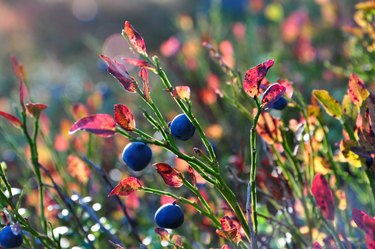
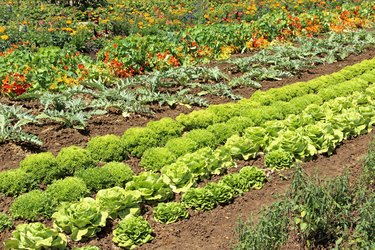
    Plant vegetation that provides the food your wildlife needs. Include plants that attract the insects and other small creatures your wildlife likes to eat. Berry plants are attractive to all manner of birds. Fresh fruit is attractive to raccoons, opossum, and squirrels. Squirrels also appreciate plants with substantial roots, such as radishes and carrots. Rabbits love lettuce and cabbage.

  5. Step 5

    Supply additional food that appeals to a cross-section of wildlife and that does not spoil quickly. Set out dried corn cobs for squirrels and make sure that raccoons have food they can wash without it dissolving, as they wash everything before they eat it.

  6. Step 6

    Layer your plants to provide shelter for all the wildlife so they have their choice of where to burrow, roost or nest. Shelter is essential for protection from the elements, protection from predators and for providing a safe, protected place for animals to birth their young.

  7. Step 7

    Provide houses for animals on the ground. Ground cover, low plants and over-turned bowls are attractive to mice and toads. Actual toad houses are also available at pet stores. Thinner shrubs and low trees are attractive to rabbits, fox and deer. Taller trees are attractive to birds and raccoons that nest as high up as they can get.

  8. Step 8

    Give the birds a place to live. Thick shrubs are to birds who roost alone and to those who live in groups. Individual bird houses provide for single families while bird townhouses provide for the communal apartment dwellers, such as the marlin.

  9. Step 9

    Use organic techniques to keep your wildlife garden pest and weed free. Pesticides and herbicides undermine your efforts in establishing a viable wildlife habitat. Wildlife tastes the chemicals in the plants and water. They smell them in the air, and ingesting the chemicals kills animals or any offspring the infected animal produces.

Tips & Warnings
  • Learn how manage your garden organically with resources from Common Ground Organic Garden Supply and Education Center. The nonprofit Center offers garden supplies and instructions on organic gardening.
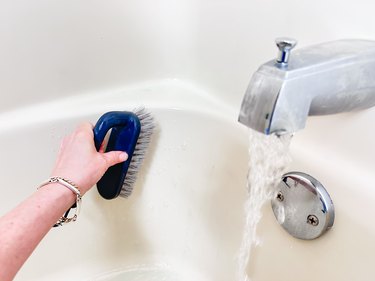
  • Clean birdbaths at least once a week with hot water and a stiff scrub brush. Vinegar and soapy water also works well. Avoid bleach solutions. Any chemical residue is harmful to wildlife that ingests it. It also burns the sensitive and thin skin of young animals. The lingering odor of bleach repels wildlife thus defeating the purpose of your entire wildlife garden.
  • Add a bale of barley hay to your pond to keep the water clean and clear until the hay decomposes. Larger ponds usually require one medium or large bale per month.
  • Prevent pets from straying into the habitat. They disrupt the ecosystem with their physical presence, their scent, and any predatory behavior they engage in. Animals won't settle permanently in an area where the available shelter does not feel safe.
  • Avoid adding raw peanuts into your habitat. They contain several natural chemicals that are harmful to animals.

Post a Comment

Post a Comment
  • Have you done this? Click here to let us know.
I Did This

Related Ads

Home & Garden
Ruby Bayan,

Meet Ruby Bayan eHow's Home & Garden Expert.
Get Free Home & Garden Newsletters

Copyright © 1999-2009 eHow, Inc. Use of this web site constitutes acceptance of the eHow Terms of Use and Privacy Policy.   en-US Portions of this page are modifications based on work created and shared by Google and used according to terms described in the Creative Commons 3.0 Attribution License.

eHow Home and Garden
eHow_eHow Home and Garden