Things You'll Need:
- Upholstery cleaner
- Car soap
- Soft rags, old clothes or a chamois
- Carpet stain cleaner
- Surface protector for vinyl and leather surfaces
- Cotton swabs
- Vacuum cleaner with multiple attachments
- Glass cleaner
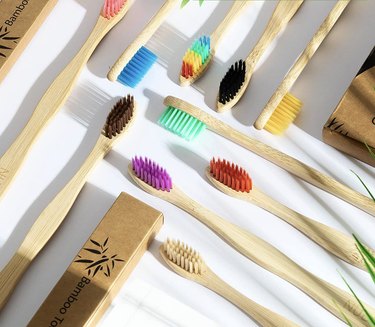
- Small brushes like paint brushes and toothbrushes
- Car wax
-
Step 1
Vacuum the carpets and floor mats thoroughly.
-
Step 2
Remove carpet and floor mat stains caused by the soft drinks or coffee you spilled when you hit that speed bump. Use either a mild soap solution or a commercial stain remover. If needed, use a brush to remove the sticky matter that you can't and don't want to identify.
-
Step 3
Clean the upholstery the same way you cleaned the carpet. If using a commercial stain remover, make sure it is appropriate for the upholstery. Destroying your expensive leather seats by using an overly harsh solvent may cause a lot of damage.
-
Step 4
Clean out any dirt from the doorjamb, carefully wiping with a soapy solution and a rag. For the tighter areas and smaller parts, you may need to use a small brush or a cotton swab.
-
Step 5
Clean the interior of the door with a soapy solution and a soft rag. For those areas encrusted with heavy, slimy, ugly muck, a commercial cleaning fluid may be needed. Since some door interiors have silly and useless ornaments, cotton swabs or a toothbrush may be needed to finish the cleaning process. Use a soft cloth to dry the door.
-
Step 6
Clean the interior windows with a commercial window cleaning fluid.
-
Step 7
Clean the steering wheel column with your soapy solution, cotton swabs, and toothbrush. Both the steering wheel and the steering column should then be covered with a spray-on surface protectant.
-
Step 8
Clean the dashboard and center console with the soapy rag--you may need to use the cotton swabs and toothbrush.
-
Step 1
Wash your car in sections. A typical car can be washed in five sections.
-
Step 2
Use a detergent made specifically for automobiles so you don't damage the finish. A soft washing cloth or chamois should also be used. The amount of water used during the process should be generous, and if using a bucket of water and not a hose, when the water becomes moderately dirty, it should be changed.
-
Step 3
Rinse the car after washing. This removes detergent from sitting on the paint and promoting oxidation. Dry the car thoroughly using the softest towels you can find.
-
Step 4
Clean the wheels and tires separate from the rest of the car. Wheels and tires can be quite dirty and covered with brake pad dust, a heavier detergent specifically for wheels and tires may be needed. There are a number of tire treatment products on the market. They also require more time, and this breaks up the rhythm of washing, which could possibly lead to the drying of detergent on the exterior surfaces of the car.
-
Step 5
Wax your car using a polish with a high Carnauba content. Liquid and paste waxes are superior to thinner spray-on waxes. One application of wax is sufficient. Excess wax should be removed with a very soft cloth.
-
Step 6
Clean the exterior glass using a glass cleaning fluid. Newspaper does a good job of polishing glass.


Comments
autobsessions said
on 12/28/2008 Unfortunately Clay barring the painted surface doesn't 'polish' the paint per se. It does however, as you stated, remove embedded contaminants a wash wouldn't normally remove.
This artical doesn't cover a full detail, rather what we'd call a Basic Wash/Wax.
If you're looking for a real, complete detail, contact a professional. There's more to a detail than just washing and waxing. Numerous compounding, polishing, finishing, jeweling, sealing, waxing steps are necessary.
AutObsessions
framp882 said
on 7/21/2007 One way to restore your car back to showroom quality is to use a clay bar. These can be bought at your local auto stores or even at Walmart. Polishing with a clay bar safely removes many harmful contaminants from your vehicles clearcoat that are unable to be removed by normal washing. This will give your car a shine that will leave the Jones's jealous.