



As one of the body's largest organs, the liver is comprised of four lobes filling both the upper right-hand side of the abdomen and the inside of the ribcage. Various tests are done to examine both the liver and the blood to determine primary liver cancer; in other words, doctors ascertain whether cancer started in the liver or spread to the liver (metastasized) from another primary site. The stage, size of the malignant tumor, how the liver functions and the patient's overall health help narrow down potential treatment and recovery possibilities.
Symptoms

Swelling of the liver can cause various symptoms, which can come from the onset of liver cancer or other health conditions. Symptoms include a hardening of the right side below the ribcage, pain in the upper right-hand side of the abdomen, discomfort around right shoulder blade, unexpected weight loss, jaundice, unexplained fatigue, nausea and appetite loss.
Tests

Various tests are done to identify and diagnose liver cancer. Doctors perform physical exams and gather patient health histories. Serum tumor market tests measure particular substances released into the blood stream by organs, tumor cells or tissues. If alpha-fetoprotein (AFP) is found in the blood, it's a red flag for liver cancer. Blood is drawn to get a complete blood count (CBC) of red and white blood cells, platelets and hemoglobin. Laparoscopies are done to check for signs of disease in the organs through the abdomen.
Staging
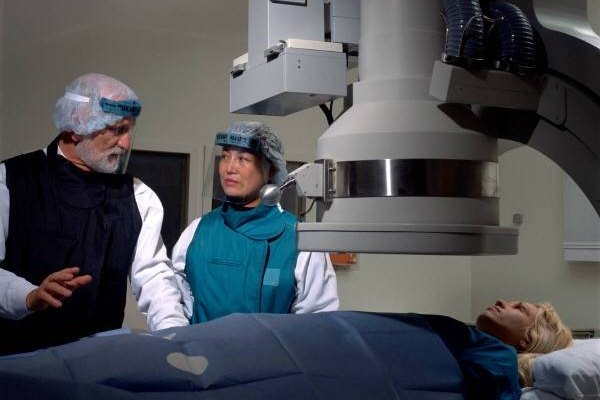
Once diagnosed with liver cancer, doctors ascertain the size of the tumor and whether cancerous cells from the primary site spread elsewhere in the body (known as staging). CT scans, MRIs, ultrasounds and sonogram images are used in determining tumor size and metastasis. If diagnosed with stage four liver cancer, cancerous cells spread well outside the primary site and throughout the body to areas such as the lungs, blood vessels and lymph nodes.
Treatment Categories
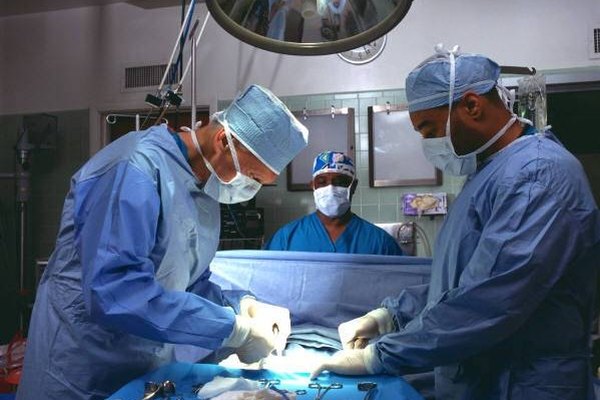
Stages are grouped into treatment categories. If the cancer remains solely in the liver (localized resectable), a surgical procedure can be done to completely remove the tumor. If the cancer went outside the liver and did not spread, surgical treatment cannot get all the cancer out (localized as well as locally advanced unresectable). Cancerous cells metastasized throughout the body (advanced) is the last treatment category, in which surgery will not get out all the cancerous cells.
Treatment Options

Cancer treatments are either standard treatments or clinical trials being tested in research studies. Surgery, radiation therapy, chemotherapy and percuntaneous ethanol injections (ethanol injected directly into the tumor to kill off cancer cells) are the standard treatments used. Stage four liver cancer patients don't have standard treatment options. Biological therapy, where substances made from the patient's own immune system to kill off cancerous cells or chemotherapy and radiation clinical trials may be best. These types of treatments may be given as palliative therapy, to better improve the patient's quality of life, even if there is no chance of recovery.
Writer Bio
Shani Valdez has been writing since 2008. She has experience in the financial sector, having worked for Bank of New Hampshire, Fidelity Investments and Carlson GMAC. Her articles have appeared on various websites and she holds a bachelor's degree in political science from the University of New Hampshire.
Image Credit
https://www.dgl.microsoft.com