

How to Keep People From Stealing Solar Lights

Solar lights that line the paths at the front of homes or keep front yard gardens lit are a hot new commodity. They use no power because they gather it from the sun during the day, which makes them a cost-efficient investment.
Things You Will Need
- Plastic-coated steel wire
- Drill
- Concrete mix
- Shovel
- Stake
- Hammer
- Water
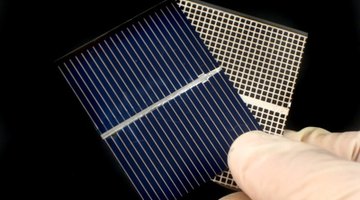
However, the solar chips inside of them that gather sunlight are valuable, and the little lights are easy to pick up and carry away. There are a couple of options to prevent the theft of solar lights that are simple to do at home. The first is tying the lights down: by tying them down, a robber looking for a quick steal will be discouraged. The other is by cementing them in the ground, making them immovable.
Secure Solar Lights With Steel Wire
-
Remove your lights from their places in the ground. Use the drill to make small holes in the base of each light.
-
Tie the plastic-coated steel wire to the hole you drilled in the first solar light and string it through the rest of the holes. Once you reach the end of the lights, secure the wire to the stake and use the hammer to drive it in to the ground so it cannot be seen.
-
Use the shovel to dig a small trench between lights to hide the plastic coated steel wire. String the wire through the trench and push all the lights into the ground. Spread dirt or rocks over the trench and around the lights to make sure the wire is completely covered and the lights are secured into the ground.
Cement Solar Lights in the Ground
-
Use the shovel to dig small holes deep enough for the solar lights to sit securely in position.
-
Follow the instructions on the concrete mix for adding the correct amount of water. Pour the mixed concrete into the holes where the solar lights will be placed.
-
Push the bases of the solar lights down into the holes filled with concrete. Make sure they are in a centered and even position that looks neat. Once dry, cover the concrete bases surrounding the lights with dirt or rocks for a more presentable look.
Tip
Carving your name and address on the underside of solar lights can help identify your property if the lights are stolen and culprit is apprehended.
Writer Bio
Col Forbin began his freelance writing career in 2011. While studying political science at Henderson State University, Forbin wrote academically on political attitudes of student populations. He will complete his Master of Liberal Arts degree in the winter of 2012 with a concentration in English and social science.
Photo Credits
- solar cells image by Albert Lozano from Fotolia.com
- solar cells image by Albert Lozano from Fotolia.com
More Articles

