How to Grow Lettuce

By eHow Home & Garden Editor
Grow Lettuce Grow Lettuce

Rate: (34 Ratings)

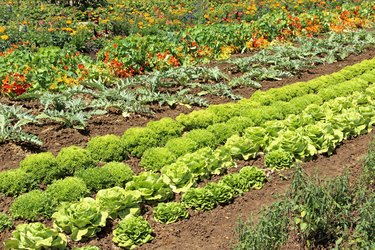
Lettuce is one of those versatile veggies that looks as good in the garden as it does on the table. It does best in cool, sunny weather, but depending on the variety, it will thrive in any part of the country.

Instructions

Difficulty: Moderately Easy

Things You’ll Need:

Step1
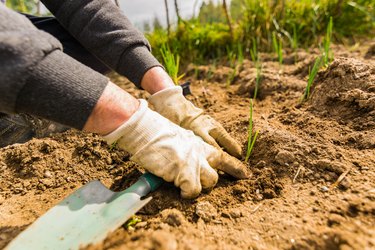
Buy lettuce plants at the nursery for planting when nighttime temperatures stay above 30 degrees F. Otherwise, sow seeds directly outdoors as soon as the soil can be worked in spring (see "How to Plant Vegetable Seeds Outdoors").
Step2
Choose a site that gets full sun in cool-weather areas, partial sun in warmer climates or for summer plantings. The ideal pH is 6.0 to 7.0 (see "How to Have Your Soil Tested").
Step3
Till the soil thoroughly, breaking up soil clumps and removing stones and other debris. (Lettuce seeds are tiny, and any obstacle can hinder germination.)
Step4
Dig in plenty of compost and well-cured manure to ensure the kind of soil lettuce needs: well-draining yet moisture-retentive, and rich in the nitrogen necessary for good leaf development.
Step5
Set plants 8 to 16 inches apart, depending on the variety. (Check the plant label or a comprehensive gardening book for mature size.) When in doubt, err on the side of distance - crowded plants and poor air circulation invite disease and insect problems.
Step6
Keep the soil moist, but avoid watering in the evening: Foliage that stays wet overnight is prone to disease. Mulch to conserve moisture and keep the soil cool, and feed every three weeks with seaweed extract or compost tea.
Step7
Ensure a full season's worth of greens by making successive sowings 10 days apart and by choosing heat-resistant varieties for late-spring plantings and cold-resistant ones for harvesting well into fall.
Step8
Begin cutting leaf lettuces as soon as they're big enough to use. Harvest heading types when the heads are firm and fully formed.

Tips & Warnings

  • Lettuce grows well and looks stunning in containers of any size or shape. Place containers in partial shade and fill them with potting soil enriched with compost. Keep plants well-watered, and feed them every two weeks with compost tea or a diluted mixture of seaweed extract and fish emulsion.
  • To find the best lettuce varieties for your taste and your territory, peruse seed catalogs and garden books or visit a nearby test garden. (Call your local botanical garden or county extension office to find one near you.)
  • If slugs are a problem where you live, avoid mulching lettuce; it's like throwing an open house for the slimy critters. Instead, simply weed diligently and keep the soil cultivated.
  • Lettuce seeds won't germinate in temperatures above 80 degrees F. To start a crop in summer, shade the planting bed with lattice screens, or start seeds in a cool spot indoors (see "How to Start Vegetable Seeds Indoors").

Comments

| View All Comments
Anonymous

Anonymous said

Flag This Comment

on 11/22/2005 Cut greens with scissors, they grow back a lot faster. This is probably due to the smooth cut surface as opposed to the jagged edge from tearing off leaves.

Anonymous

Anonymous said

Flag This Comment

on 11/22/2005 When you cut your lettuce, leave 2 inches above the soil. I never knew this until my boyfriend's mom scolded me! Oops!

View All

Post a Comment

POST A COMMENT

Request a New How-To Article

Looking for more How To information? Chances are there’s an eHow member who knows how to do what you’re looking to do. Submit an article request now!

eHow Article:  How to Grow Lettuce

eHow Home & Garden Editor
eHow Home & Garden Editor

Category: Home & Garden

Articles: See my other articles

Related Ads

Home & Garden

Willi
Meet Willi Galloway eHow’s Home & Garden Expert.