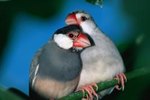
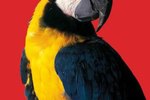
Although birds are for sale at pet stores nationwide, adopting a bird can be a rewarding venture. Birds are abandoned or surrendered to shelters by their owners for many reasons; maybe the bird outlived his owner or maybe the owner couldn't handle the responsibility anymore. Regardless of the reason, adopting a bird can save you money, because the process is often free, although some organizations might require a small fee.
Determine what type of bird you want to adopt. Unless you're a very experienced bird owner, the Massachusetts Society for the Prevention of Cruelty to Animals, doesn't recommend getting a large parrot, because these birds come with a big responsibility that can be overwhelming to first time bird owners. If this is your first bird, the SPCA recommends getting a parakeet, lovebird or cockatiel, and if you don't want to do a lot of training or handling, it suggests getting a canary or finch.
Search online or ask an avian veterinarian for a reputable bird rescue and shelter organization in your area. A reputable facility is run by professionals whose first priority is to provide birds with superior care and humane treatment. They won't breed them or promote the commercial trade in birds, and they have firm rules and legally binding contracts that are used during bird adoptions.
Read the adoption policy of the bird rescue organization to ensure that you meet their requirements. These can include being at least 18 years of age and willing to attend bird care classes. The policy will inform you about the adoption process. This can include a home inspection beforehand, and a checkup after the bird has been in your care for a certain amount of time.
Fill out an adoption application, sign and date it, and submit it together with a signed and dated copy of the adoption policies. Expect to answer questions on the application regarding your living arrangement, family structure and experience with birds. Once submitted, wait to hear whether your application was approved or denied.
Schedule a home visit with a representative of the bird adoption facility. During this visit the representative can answer any questions you might have. He also likely will do a walk-through to inspect the bird's future home, and might point out potential hazards to be changed before you can bring a bird home. Hazards can include everything from open doors and windows to poisonous plants and exposed electrical cords. He also can make recommendations regarding the bird's cage and play area.
Visit the bird rescue facility and have a representative show you the birds available for adoption. When you find one that you have a connection with, sign the foster agreement and bring your feathery pal home. By signing this agreement, you're agreeing to foster the bird for a certain duration, after which a representative will come to your house to inspect how you're interacting with the bird. Sometimes this information is incorporated into the adoption contract.
Sign the adoption contract after it's determined that the bird is in good hands and a good fit for your home. Although the bird himself may not cost any money, some facilities might request that you pay a small fee to cover the veterinary and rescue costs that your bird incurred while in their care.
Tips
Bird adoption facilities won't ship birds, so make sure to choose a facility that's nearby.
If you're adopting a bird while you already own birds, ensure their medical checkups are up to date. You will have to provide proof of current vet records that include a general examination, a papilloma check, beak and feather, polyoma, psittacosis, fecal, CBC and avian chemistry panel.
References
- Massachusetts Society for the Prevention of Cruelty to Animals:The Perfect Home for a Pet Bird
- The Avian Welfare Coalition: About Bird Rescue, Placement & Sanctuary Organizations
- Parrots First: Parrots First's Adoption Policy
- Parrot Education and Adoption Center: Adoption Process
- Pamela Clark Online: An A to Z Guide for Bird - Proofing Your Home and Providing Quality Bird Car
- The Bird Nerds Rescue and Sanctuary: Adoption Policy
- A Refuge for Saving the Wildlife: Adoption Application
Photo Credits
-
hardeko/iStock/Getty Images
Writer Bio
Kimberly Caines is a well traveled model, writer and licensed physical fitness trainer who was first published in 1997. Her work has appeared in the Dutch newspaper "De Overschiese Krant" and on various websites. Caines holds a degree in journalism from Mercurius College in Holland and is writing her first novel.