How to Make Fresh Wasabi

Fresh wasabi is rare even in Japan, where it's primarily grown, but there's at least one large grower in America, and the little rhizomes (as they're called) can be found through mail order or at some very select stores. See Related Sites for a source. Once you've got it, though, it's very easy to use. Does this Spark an idea?

Things You'll Need

  • 1 or more whole rhizomes fresh wasabi
  • Groceries
  • Ginger Graters
  • Paring Knives
  • Peelers
  • Paper Towels
  • Paper towels
Show More

Instructions

    • 1

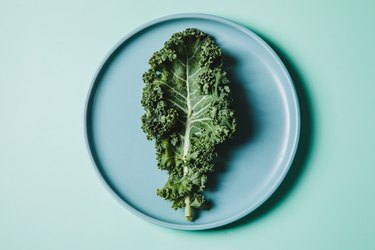
      Find fresh wasabi - it's extremely rare in the United States. The rhizomes look like a cross between a miniature green pineapple and a potato.

    • 2

      Peel the outer skin carefully using a paring knife or vegetable peeler, removing the knobs where the branches were attached.

    • 3

      Grate the wasabi with a wasabi or ginger grater, turning the stem in a circular motion.

    • 4

      Gather the grated wasabi in a ball. Let it sit for 10 to 15 minutes for flavors to develop.

    • 5

      Serve at room temperature.

    • 6

      Cover with a small piece of plastic for the spiciest heat.

    • 7

      Store any unused piece wrapped in damp paper towels in the refrigerator.

Tips & Warnings

  • Almost all the wasabi served in the United States is actually a mixture of mustard and horseradish that's dried and then reconstituted.

  • You can grate fresh wasabi with just about any sharp grater. A wasabi or ginger grater works best, but you can use a fine cheese grater, a zesting rasp or even a piece of very clean sandpaper.

  • The traditional Japanese tool for grating wasabi is a piece of sharkskin stretched over a block of wood.

  • Wasabi is very hot, and should be treated like a fresh chile pepper when being handled. Don't touch your eyes or sensitive skin after handling it.

Related Searches:

Comments

You May Also Like

  • How to Make Wasabi

    Real wasabi is very rare and expensive in the US, demand constantly outstrips supply. Try to find fresh wasabi (usually not powder)...

  • How to Make Wasabi Peas

    If you are a snack food junkie with a desire to cut your habit back, try wasabi peas. Flavorful and crunchy, they...

  • How to Make Fresh Strawberry Margaritas

    About as tasty as a blended summer cocktail can get. All you need is a strong blender, some fresh strawberries and a...

  • How Do You Make Cheese?

    Cheese is made in about 12 processes, depending on the kind of cheese being made, and the first step in making cheese...

  • How to Make Wasabi Massage Oil

    Wasabi massage oil is a simple, easy to make massage oil that is stimulating to the senses and warming on the skin...

  • How to Make Wasabi Tuna Burgers With Wasabi Mayonnaise

    Here is a healthy and tasty alternative to the traditional beef burger. The difference? It's Wasabi-style tuna with a delicious wasabi mayonnaise....

  • How to Eat Wasabi

    True wasabi---wasabia japonica---is a rare root plant native to Japan. The root is ground into a paste using an abrasive shark skin...

  • How to Make Pancakes from Scratch

    Instead of making pancakes from a box , gather a few simple ingredients around the kitchen and cook this breakfast staple from...

  • Substitutes for Fresh Horseradish

    Horseradish is a large, white root with a pungent flavor used to add a spicy hot kick to condiments. Bottled horseradish is...

  • What Are Wasabi Peas?

    From sodium content to trans fats, science is on a mission to shed light on the evils of popular snack foods. The...

  • How to Serve Wasabi Mashed Potatoes

    If you want to make basic mashed potatoes exciting again, consider adding wasabi to the dish. Made with either wasabi sauce or...

  • How to Grow a Wasabi Plant

    The wasabi plant (Wasabia japonica) is a close relative of the mustards and is native to Japan, Korea, China and New Zealand....

  • How to Make Sashimi

    Sashimi refers to plain slices of raw fish, usually served with a bowl of rice as an accompaniment.

  • How Make a Bibliography

    A bibliography is a list of the sources you used while writing an essay or research report. The bibliography serves to provide...

  • How to Substitute for Horseradish

    Fans of horseradish claim there is no substitute, but enterprising chefs have found ways to incorporate other options into dishes for those...

  • How to Make Tuna Pasta with Anchovies, Creme Fraiche and Fresh Parsley

    Tuna pasta with anchovies, crème fraiche and fresh parsley is an incredibly easy dish to prepare that makes an excellent meal when...

  • How to Prepare Fresh Shrimp

    Fresh, jumbo shrimp are delicious when prepared properly. Buy fresh (not frozen) from the seafood counter at your local grocery. Then, get...

  • How to Make Nigiri Sushi

    Making nigiri sushi (raw fish on molded rice, not a roll) requires some tricky hand maneuvers. Keep practicing and, by your fourth...

  • How to Store and Grate Fresh Ginger Root Easily

    Ginger is one of the most delightful flavoring agents in the world of cooking. Its spicy, pungent flavor is found in the...

  • Tips on Using Hoisin & Wasabi Sauces

    Learn tips and ideas on how to add Hoisin and wasabi with your Asian style chicken dinner in this free online video...

Related Ads

Know Your Knives: Josh Ozersky’s Comprehensive Guide

I have a lot of knives. You probably do too. I really don’t know what to do with them all. There’s a Chinese cleaver, aï؟½

Featured