

How to Remove Vinyl Floor Adhesive With a Heat Gun

Vinyl floors are recognized for their durability, simple maintenance and design variety. Although vinyl is long lasting, it eventually becomes worn and dingy. It is essential to thoroughly remove vinyl flooring and any loose adhesive before installing new flooring. Heat guns are electric heating tools that operate similarly to blow dryers, except with higher wattages of heat. Hot air flowing from heat gun nozzles weakens and softens adhesives during flooring removal. Using a heat gun with proper technique can effectively remove vinyl floor adhesive.
-
Put on long-sleeved clothing and gloves to protect your body from the heat gun. Open all windows in the room to provide adequate air ventilation and prevent inhalation of noxious fumes from the adhesive. Set up portable fans to ventilate the room.
-
Plug in the heat gun and allow it to heat up. Set the heat gun on its lowest temperature setting. Refer to the manufacturer's directions in the owner's manual for specific operating instructions.
-
Hold the heat gun at least 6 inches away from the adhesive. Focus on a 1-foot-by-1-foot section of the adhesive. Push down on the gun's trigger mechanism to diffuse hot air onto the adhesive.
-
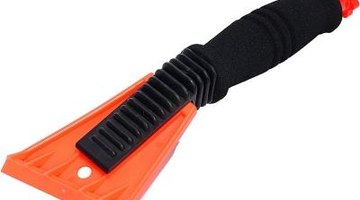
Scrape the softened adhesive from the subfloor using a plastic scraper. Hold the scraper in one hand and the heat gun in the other and slowly and constantly move the heat gun over the adhesive section while you scrape.
-
Continue removing the adhesive in 1-foot-by-1-foot sections using the same method.
-
Remove the loosened vinyl adhesive debris from the subfloor with a shop vacuum. Operate the shop vacuum according to the manufacturer's directions.
References
Tips
- You can substitute a broom for the shop vacuum.
Warnings
- Operate the heat gun according to the manufacturer's directions to prevent fires and other safety hazards.
- Never hold the heat gun still for more than a couple seconds to avoid burning surfaces.
Writer Bio
April Dowling first started writing in high school and has written many news articles for newspaper and yearbook publications. She is currently pursuing a career as an online writer and affiliate marketer. Dowling writes for several websites and keeps many blogs.
Photo Credits
- Zedcor Wholly Owned/PhotoObjects.net/Getty Images
More Articles

