How To

How to Maintain a Safe Fire in Your Fireplace

Contributor
By eHow Contributing Writer
(10 Ratings)

Stay warm and toasty with a safe, secure and smart fire in your home.

Difficulty: Moderately Easy
Instructions

Things You'll Need:

  1. Step 1

    Start a fire that isn't too large for your fireplace. Fires that are too large are dangerous, can cause cracks in your chimney and can waste fuel.

  2. Step 2

    Select the right logs. Generally, fire logs burn cleaner than firewood, which burns cleaner than hardwood firewood (hickory, oak), which in turn burns cleaner than softwood firewood (fir, cedar).

  3. Step 3

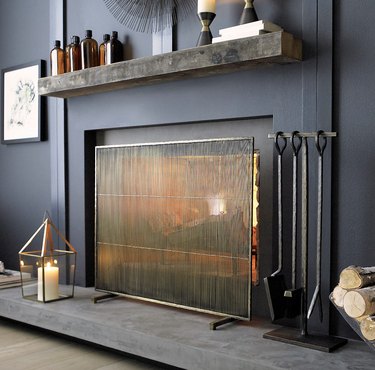
    Keep the fire ventilated. Open glass fireplace screens (see manufacturer's instructions for specific use) and close the damper (which controls the draft) to keep warm air inside once the fire has been completely extinguished.

  4. Step 4

    Prevent flammable creosote from clogging chimney walls. Certain kinds of firewood deposit more creosote than others; fire logs leave less.

  5. Step 5

    Have your fireplace inspected and cleaned annually. Make sure the chimney sweep is certified by the Chimney Safety Institute of America (CSIA).

  6. Step 6

    Check chimneys for cracking, loose bricks and any other signs of deterioration.

Tips & Warnings
  • Seasoned wood (wood that has been dried 6 to 12 months after splitting) burns cleaner than green wood. Burn only wood with a moisture content of less than 20 percent.
  • Keep your wood storage away from your house and off the ground. Only bring into the house the amount of wood needed to build your fire, which also keeps unwanted insects outside.
  • When selecting a fire log, make sure the brand is approved by Underwriters Laboratories (UL), especially for use in zero-clearance metal fireplaces.

Comments  

Mystisch said

Flag This Comment

on 12/21/2008 Hi G-Unit ... I think you pulled a "Mystisch"... Re-read number 3. hehehe

#3 Keep the fire ventilated. Open glass fireplace screens (see manufacturer's instructions for specific use) and close the damper (which controls the draft) to keep warm air inside -->once the fire has been completely extinguished.<--

G-Unit said

Flag This Comment

on 12/5/2008 I disagree with step 3. Closing the damper will cut the oxygen off to the fire and smoke will enter your home. You need to keep the damper open when a fire is going. Closing that would also increase the chance for carbon monoxide to enter the home. You should have a carbon monoxide / smoke detector in a nearby room. I don't see any of that info in this article.

Post a Comment

Post a Comment
  • Have you done this? Click here to let us know.
I Did This

Related Ads

Home & Garden

Ruby Bayan,

Meet Ruby Bayan eHow's Home & Garden Expert.
Get Free Home & Garden Newsletters

Copyright © 1999-2009 eHow, Inc. Use of this web site constitutes acceptance of the eHow Terms of Use and Privacy Policy.   en-US

eHow Home and Garden
eHow_eHow Home and Garden