How to Pack for a Camping Trip

By eHow Travel Editor

Rate: (15 Ratings)

The wilderness can be unforgiving, even with the proper gear. The last thing you want is to reach a remote destination and find that you forgot something essential. Develop a plan to guarantee that you're well equipped.

Instructions

Difficulty: Moderately Easy

Step1
Establish a staging area. Use a corner of your garage or living room and pile gear there prior to packing. If you have the space, begin moving gear to the staging area several days ahead of time. This prevents overloading your brain at the last minute.
Step2
Take a good look at your gear pile when you think it's complete. Spend a minute reviewing your checklist and check everything on it.
Step3
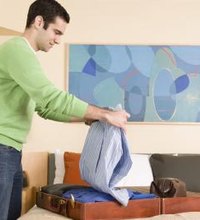
Pack your clothing. You want to layer your clothing to meet changing temperatures and conditions. Pack spare clothing in case you get wet. Avoid cotton unless your trip is in a very warm climate--cotton dries slowly and offers no insulation when wet. Synthetic long underwear and jackets are best. Include a warm wool or fleece hat.
Step4
Test your gear before you go. Know how to operate your camp stove, and bring the proper fuel.
Step5
Purchase several small and medium nylon bags (stuff sacks) to divide your gear. Cooking gear can go in one bag, first aid items in another bag, and so on.
Step6
Plan your water supply. If water is scarce, consider having a large water bladder in your pack, such as those made by Camelback. In addition to offering a high capacity, water bladders have a hose that allows you to drink while you're on the move. Water purification tablets are indispensable.
Step7
Buy a good sleeping pad or two. Many people like to stack a fulllength sleeping pad on top of a shorter one. The extra warmth and comfort makes the weight and bulk worthwhile. Camping stores have several brands of pads, from $20 to $100.
Step8
Plan your meals ahead, so you'll be guaranteed to have enough food. For short camping stints, your grocery list might include milk, butter, cheese and crackers, bread, buns, vegetables, fruit, dried and/or fresh, meat (burgers, hot dogs, shish kabobs), canned foods (chili and soup), condiments and spices, trail mix, energy bars, cookies, s'mores fixings, soda, juice, tea, cocoa, cider, coffee and alcoholic beverages.
Step9
Weigh luxuries against absolute necessities (for instance, a handheld GPS is fun and helpful, but a map and compass work fine, too). Your specific destination may require additional gear or far less, if weight is an issue.

Tips & Warnings

  • Have some spare clothing, but resist the urge to bring everything in your closet. Most people don't use all the clothing they bring and regret having to carry it.
  • Remember to freeze ice packs the night before you leave.
  • Get a map of your destination. The best backpacking maps are the 7.5-minute series from the United States Geological Survey. These are available from backpacking stores or online at mapmart. com. The highly motivated should buy mapping software like National Geographic's Topo program, available for the United States by state and region.
  • Purchase a headlamp instead of a flashlight for hands-free convenience (available at REI.com for $20 to $40).
  • When you're hiking, stop frequently to look around. Note landmarks and you'll be less likely to get lost. Discuss with the group what to do if someone gets lost.

Post a Comment

POST A COMMENT

Request a New How-To Article

Looking for more How To information? Chances are there’s an eHow member who knows how to do what you’re looking to do. Submit an article request now!

eHow Article:  How to Pack for a Camping Trip

eHow Travel Editor

eHow Travel Editor

Category: Travel

Articles: See my other articles

Related Ads

Travel

ZachC
Meet Zach Chouteau eHow’s Travel Expert.