
How to Become an Indy 500 Race Car Driver
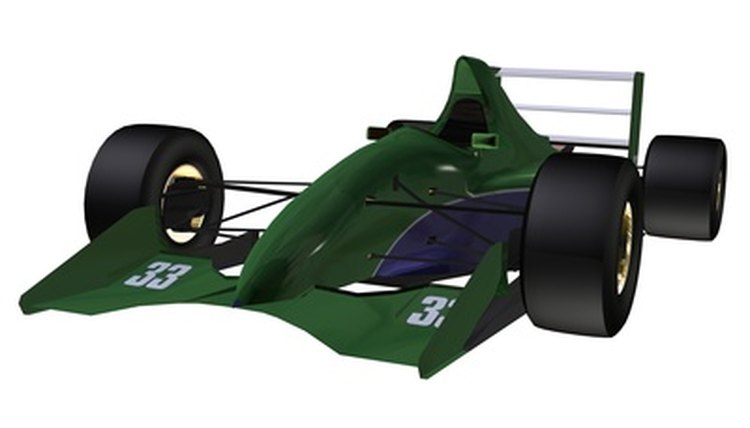
The Indianapolis 500, often referred to as the Indy 500, is one of the most prestigious automobile races in the United States, as well as other parts of the world. Only a small percentage of aspiring race car drivers earn the privilege to compete in this great auto racing spectacle. Nevertheless, countless young men and women dream of competing in the Indy 500. All aspiring Indy 500 participants must take several steps in order to have a chance to race in the Indy 500.
How to become an Indy 500 race car driver
Purchase a go kart and begin racing at a local go kart track. Many drivers begin their racing careers by driving go karts as youths, as this hones racing skills.
Consider racing midgets or quarter midgets. This this is typically a stepping stone for drivers who aspire to race in the Indy Car Series. Competing at this level is difficult, but it teaches car control, which is a vital component of any brand of auto racing. Racing midgets, quarter midgets, and even sprint cars require a solid source of funding. Open-wheel modified race cars is another option, as they compete primarily on asphalt surfaces.
Ask for advice and ideas from experienced and skilled drivers, mechanics, and crew members. These experienced racers likely endured hurdles while they were moving up through the ranks and could share their lessons with you.
Be proactive when it comes to learning the mechanical characteristics of the race car, such as engine and chassis specifications. In-depth knowledge of the mechanical and technical facets of the race car impresses racers and shows well-rounded interest in the sport.
Attend different tracks to further familiarize yourself with the racing industry. This puts your name on the map. Introduce yourself to other drivers, mechanics, crew members, and track owners. Try to develop connections within the racing business.
Seek out a professional racing school. There several racing schools that specialize in Indy Cars such as the Indy Racing Experience and the Mario Andretti Racing Experience. Attending a racing school allows you more track time with a qualified instructor. Many successful drivers have attended a racing school at some point in their careers.
Race as much as possible, even if it is go karts. The more you race, the more track time you receive, which can prove invaluable. Furthermore, remember that it is better to finish the race in one piece. Drivers who take care of the car are more likely to receive the call from a top race car owner.
Tips
Do not wreck. Some incidents are unavoidable, but the less you wreck, the more respect you gain from your peers.
Warnings
Very few drivers reach the level of racing in the Indy 500, so make sure your goals are realistic.
Tips
- Do not wreck. Some incidents are unavoidable, but the less you wreck, the more respect you gain from your peers.
Warnings
- Very few drivers reach the level of racing in the Indy 500, so make sure your goals are realistic.
Writer Bio
Jeremy Dunn is a freelance writer from Harlem, Ga. He began his professional career in 2005. He writes on Atlanta NASCAR for a prominent website and authored the book, "Superstars of Pro Football—Ray Lewis." He has composed articles for other publications like "Speed South" magazine and "RaceWeekly" magazine. Dunn holds an Associate of Arts in printing/graphics from Augusta Technical College.