Things You'll Need:
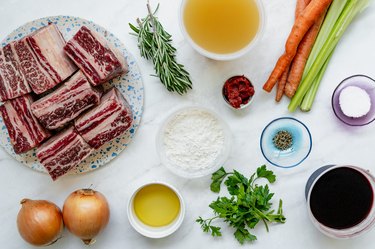
- Bulgur
- Couscouses
- Extra-virgin Olive Oil
- Fish
- Fruits
- Low-fat Or Nonfat Yogurt
- Nuts
- Pasta
- Penne Pastas
- Pine Nuts
- Polenta
- Fruits
-
Step 1
Make plant foods the main dishes at all your meals.
-
Step 2
Eat grains such as couscous, polenta and bulgur in addition to breads, cereals and pasta.
-
Step 3
Look for unprocessed foods that are grown nearby.
-
Step 4
Add flavor to foods with plenty of garlic, onions and fresh herbs such as basil, oregano and thyme.
-
Step 5
Include beans and nuts in your diet every day. Enjoy bean soups, almonds, pasta with beans, hummus, and green salads with pine nuts.
-
Step 6
Opt for cheese and yogurt as your daily dairy products. These foods have good bacteria that may have health benefits.
-
Step 7
Choose fish and seafood two or more times per week.
-
Step 8
Enjoy poultry once a week or less and red meats just a few times a month.
-
Step 9
Use the healthier fats to add richness and flavor to your cooking. Emphasize olive oil and nuts.
-
Step 10
Serve fresh or dried fruit for snacks and dessert. Reserve other sweets for a few times a week.
-
Step 11
Drink wine in moderation with meals.


Comments
Anonymous said
on 1/25/2006 Red wine is great and many French, Spanish, Italian and Portuguese (Portugal is not Mediterranean)
have two glasses, usually for lunch. The French study indicated that red wine was helpful in preventing heart disease- until the statistical reviewers found that the French did not count people who died of heart attacks during the study. They said: "They are dead. Why count dead sheep?" The study, though, was significant enough to stand. Notably, the best wine to drink for your heart is domestic blueberry wine due to its massive amounts of antioxidants.
Anonymous said
on 11/22/2005 If you do not typically drink wine, or wish to decrease your wine intake, and yet wish to obtain the benefit of reducing heart problems, you can substitute it with natural red grape juice or eating red grapes (without spitting the seeds, sorry). This is because it is not the alcohol in red wine which reduces heart problems (or beer would have done the trick), it is a chemical that comes from the crushing of red grape seeds.