How to Eat to Lower Triglycerides
Like high cholesterol, high levels of triglycerides in the blood are risk factors for heart disease. High triglycerides also increase the risk of pancreatitis.
- Difficulty:
- Moderate
Instructions
Things You'll Need
- Fish
- Fresh Fruit
- Nonfat Dairy Products
- Vegetables
- Whole Grains
- Chromium Picolinate Supplements
-
-
1
Decrease the amount of fat in your diet by focusing on eating low-fat plant foods like grains, beans, vegetables and fruits. Use nonfat dairy products and small servings of lean meats.
-
2
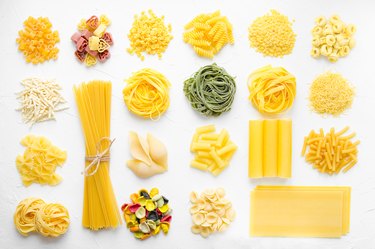
Cut back on sugar and refined carbohydrates in your diet. Limit soft drinks, jelly, candies and baked goods.
-
3
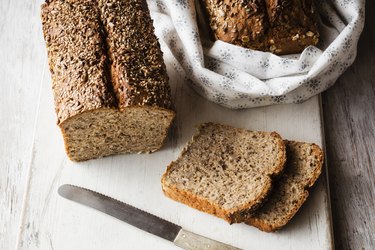
Choose whole grain products like whole wheat bread and brown rice.
-
4
Reduce or eliminate alcohol in your diet. Even small amounts can raise your triglycerides.
-
5
Include fish in your eating plan. Fatty fish such as salmon and bluefish contain omega-3 fatty acids, which help stabilize triglycerides.
-
6
Consider supplementing with chromium picolinate - 200mcg of chromium picolinate decreased triglycerides in people with non-insulin-dependent diabetes.
-
1
Tips & Warnings
Triglycerides should be measured after you fast for 12 to 14 hours.
The National Cholesterol Education Program considers triglycerides over 200 to be too high.
For people with diabetes, keeping blood sugar in good control improves triglycerides.
Exercising and quitting smoking are also keys to lowering triglycerides.
Enlist the help of a registered dietitian (RD) to ease making changes in your diet.