Though the weather of an area can change daily, when seen in longer periods, a general pattern of climate emerges. For example, though it may rain on some days in the tropics and on others in the desert, rainfall is greater and more constant in the former than the latter. These annual weather patterns classify the world into six major climate regions.
TL;DR (Too Long; Didn't Read)
The six major climate regions are polar, temperate, arid, tropical, Mediterranean and tundra.
Polar Chill
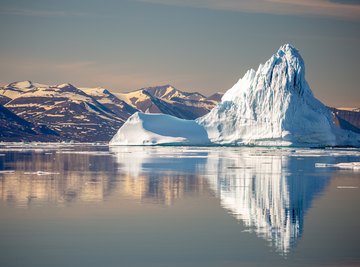
Polar climates are very cold and dry throughout the year. They encompass the South Pole, the extreme northern latitudes and the interior of Greenland. Plant life is non-existent except for some algae, while the few animal species include polar bears, killer whales, seals and penguins.
Temperate Regions
The temperate region experiences cold winters and mild summers, and covers much of North America, Europe and the northern parts of Asia. Temperate forests grow in soil fertilized by leaf litter, producing a rich diversity of plants like oak, maple, elm and willow, and animals like deer, bear, rabbits, squirrels and birds. Temperate grasslands are dominated by flowering grasses, and are populated by such fauna as lions, wolves, zebras, foxes, snakes and deer.
Arid Zones
Arid zones are hot and dry all year and include the deserts of North Africa and central Asia, the southwest United States, and inland Australia. The coarse soil contains little surface water and supports mostly shrubs and short, woody trees. Animal life includes birds, reptiles, insects, rodents and small carnivores.
Damp Tropical Regions
The tropical region is hot and wet, covering the jungles of South America and Africa, Southeast Asia and the islands of the Pacific. This area contains the greatest diversity of plant and animal life. Tropical forests experience about 12 hours of daylight daily, with only a rainy and dry season. They can contain 100 different tree species in a half-mile square, with small fauna like birds, bats, insects and small mammals.
The Mild Mediterranean
A Mediterranean climate shows mild winters and hot, dry summers, and includes the land surrounding the Mediterranean Sea, Southern South America and Southern California. Plants are typically shrubby and less than three feet tall, populated by small, nocturnal animals like geckos, snakes and rodents, which are hunted by raptors like hawks.
The Cold Tundra
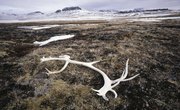
The tundra is very cold all year and covers the tops of mountains, the northern extremes of North America and Asia, and the southern coast of Greenland. Though plant life may be numerous, it grows low to the ground and includes grasses and shrubs. Animal populations, which expand and shrink radically depending on the season, include:
- caribou
- squirrels
- foxes
- wolves
- bears
- migratory birds
References
About the Author
Aurelio Locsin has been writing professionally since 1982. He published his first book in 1996 and is a frequent contributor to many online publications, specializing in consumer, business and technical topics. Locsin holds a Bachelor of Arts in scientific and technical communications from the University of Washington.