How to Check a Heat Sequencer

A heat sequencer is a component of your home’s electric furnace that acts as a distributor of power. Without a properly operating heat sequencer, your furnace may try to accomplish too many tasks at once, which can overload the appliance with heat and damage it.
If you feel the heat sequencer might not be operating properly because of inconsistent heat in your home or a blown fuse or tripped circuit breaker, you need to check it using an electric test meter, which tests the ohms, or heat resistance, of the heat sequencer.
-
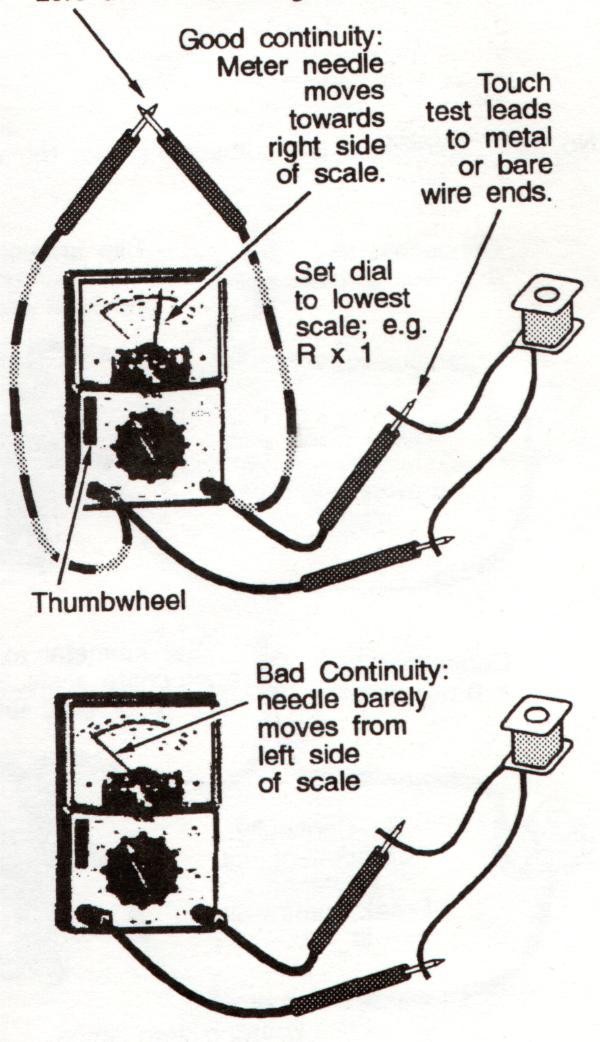
Plug the leads into the electric test meter. These leads will come with the test meter and will be colored according to their corresponding jacks.
-
Turn off your furnace by shutting off the appliance itself and by shutting off the circuit breaker that powers it. Remove the two wires from the heat sequencer that connect it to the furnace.
-
Touch the probes on the end of the leads to the areas where you just removed the wires on the heat sequencer.
-
Check the reading on the electric test meter. If your heat sequencer is working normally, the reading will be around 20 ohms. A reading of 0 means that you need to replace the heat sequencer. Also, if the reading is way above 20, your heat sequencer is likely faulty and needs to be replaced.
The Drip Cap
- A heat sequencer is a component of your home’s electric furnace that acts as a distributor of power.
- If you feel the heat sequencer might not be operating properly because of inconsistent heat in your home or a blown fuse or tripped circuit breaker, you need to check it using an electric test meter, which tests the ohms, or heat resistance, of the heat sequencer.
- These leads will come with the test meter and will be colored according to their corresponding jacks.
References
Resources
Writer Bio
Mike Johnson has been working as a writer since 2005, specializing in fitness, health, sports, recreational activities and relationship advice. He has also had short stories published in literary journals such as "First Class Magazine." Johnson holds a Bachelor of Science in education and history from Youngstown State University.
Photo Credits
- Comstock/Comstock/Getty Images
- Comstock/Comstock/Getty Images
More Articles