-
Step 1
Decrease your fat intake to 30 percent of daily calories. (A lower fat level would best be recommended by a physician.)
-
Step 2
Lower the amount of saturated fat you consume. Saturated fats will drive up your cholesterol more than any other food. They're found in foods derived from animal sources and certain tropical plants--for example, marbling and untrimmed fat in meat, chicken skin, butter, dairy products and coconut oil.
-
Step 3
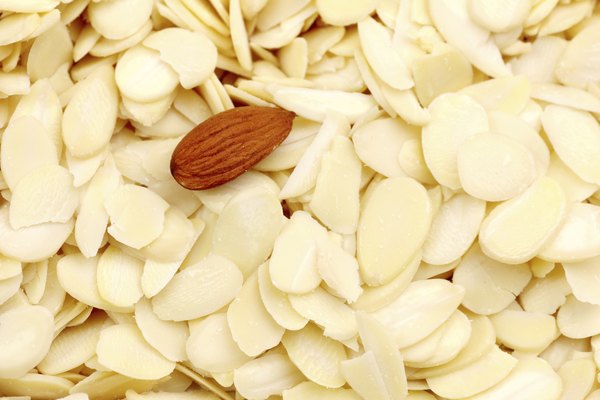
In place of saturated fats and trans fats (see Tips), substitute small amounts of polyunsaturated fats and, in particular, monounsaturated fats such as olive, canola and nut oils.
-
Step 4
Lower the amount of cholesterol in your diet to less than 300 mg per day. Cholesterol is found in foods with animal origins, such as meat, poultry, fish, shellfish, egg yolks, cheese, ice cream and whole milk. When eating meat, decrease your serving size. Switch to skim milk and avoid processed meat products.
-
Step 5
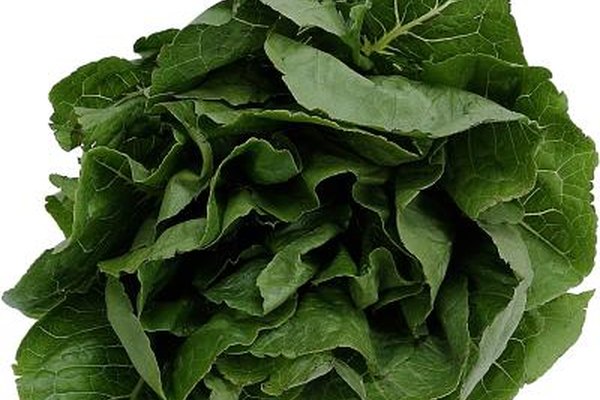
Eat plenty of fruits, vegetables and whole grains, foods that tend to be low in fat and dense in nutrients.
-
Step 1
Exercise for 30 minutes at least four times a week. Even two 15-minute or three 10-minute exercise breaks are beneficial.
-
Step 2
Incorporate physical activity into your daily life. Take the stairs. Get off the bus early or park farther from entrances than usual.
-
Step 3
Establish a program of regular, vigorous exercise. Finding an exercise buddy will inspire you to reach your goals.
-
Step 1
Shedding even a small amount of weight helps lower your cholesterol level. Lose the weight through slow, long-term diet changes and regular exercise, not by a crash diet.
-
Step 2
Avoid prepared low-fat and nonfat foods that are high in sugar. You need to lower your overall calorie intake as well as your fat calories, and many of those products are high in calories.
-
Step 3
You may want to look for a structured program that offers support and professional expertise, one that will help you understand and change behavioral patterns.


Comments
jamaclassics said
on 11/15/2007 "Everyone knows that high blood cholesterol leads to blocked arteries and heart disease" Is a myth promulgated by pharmaceutical companies and the doctors they lead by the nose. Where is unbiased, factual evidence of this? Many doctors don't believe this, and feel that heart disease is caused by other factors. All Statin drugs will be pulled from the market place like Vioxx and a dozen other dangerous drugs, eventually, as we unravel the web of misinformation behind heart disease. If you are lowering your cholesterol with drugs, please read books and articles published from the opposing point of view, since you may be harming yourself unknowingly, and needlessly. Try Dr. Uffe Ravnskov's excellent book, "The Cholesterol Myths; Exposing the Fallacy That Saturated Fat and Cholesterol Cause Heart Disease" published by New Trends Publishing