-
Step 1
Shop for bare-root roses from late fall to early spring depending on your climate. Dormant, leafless roses sold with roots bare of soil offer the broadest selection. Planting at the bare-root stage gets plants off to a great start and is the least expensive way to buy roses.
-
Step 2
Look for the best selection of bare-root roses in mail-order catalogs or on the Internet, but make sure you can get your money back if the plant is dead on arrival.
-
Step 3
Buy container-grown roses during their growing season (spring to fall, or year-round in mild-winter climates). These mature plants are more expensive, but will give the garden an established look much faster.
-
Step 4
See and smell rose varieties in person at nurseries starting in April in mild climates. Or visit local rose gardens to see established plants in bloom, and note your favorite varieties.
-
Step 5
Choose a rose that suits your climate. Although some varieties, such as 'Iceberg' and 'Peace,' do well almost anywhere, most roses prefer particular climates. Talk to a local expert from the American Rose Society (ars.org), which also has rose ratings. Or look in the phone book for your county's cooperative extension office and ask for a master gardener.
-
Step 6
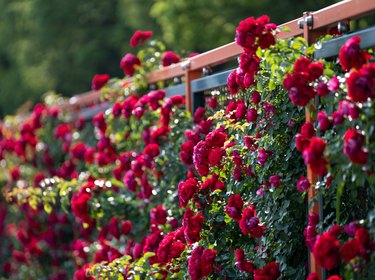
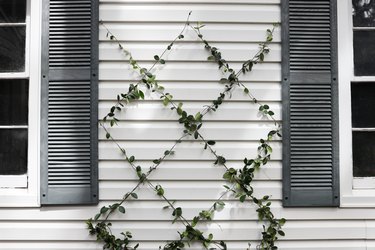
Decide on the type of rose you want based on where you will plant it in the garden. Hybrid tea roses--the most familiar type, with long stems and big buds for cut flowers--grow as upright shrubs. Other types of roses are designed to grow as climbers (such as the 'Ce'cile Bru"nner') or ground covers.
-
Step 7
Save money by choosing older rose varieties (meaning those that have been available for some time). New varieties come out every year, generally at higher prices.
-
Step 8
Look into antique or heirloom (as opposed to merely old) varieties for their fragrance and nostalgic qualities. They tend to be expensive. These types include moss, cabbage and rugosa. Some have very short blooming seasons.
-
Step 9
Read catalog descriptions or nursery tags to make sure the rose you buy is disease resistant. The most common diseases, powdery mildew and black spot, affect the leaves, reduce the plant's beauty and life and are costly to treat. In most climates, it's not worth the risk to grow roses that are not disease resistant.


Comments
frankysok said
on 2/8/2009 All roses are prone to disease; but there are degrees of resistance. The best roses to buy if you do not want to spray are the easy care and carefree varieties: shrub and landscape roses. Hybrid Tea roses need plenty of attention and care and they are all prone to disease no matter what the growers tell you in their catalogs......Frankysok.