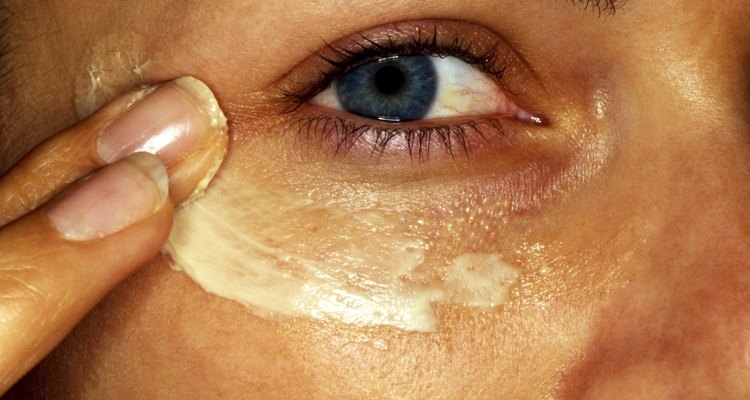
Melasma is a condition where excessive pigment causes brown, sometimes gray, blotchy patches to appear on your skin. It is most common on the face, neck and forearms, or anywhere your skin is often exposed to the sun. Although the sun is the largest culprit, hormonal shifts and some cosmetics are also to blame for melasma. Dermatologists agree that you can lessen the appearance of melasma with certain facial moisturizers.
Find Your Treatment
Although dozens of products are available over the counter, consult a dermatologist to determine the most effective treatment strategy for you. This may include products that require a prescription. Generally, lotions available with a prescription contain higher percentages of the ingredients helpful in treating melasma, and improvement will be much more dramatic.
Active Ingredients
When searching for a lotion to treat melasma, make sure it contains the active ingredients proven to be the most effective. Hydroquinone lightens the skin by interfering with melanin production. It is the No. 1 bleaching agent used to treat melasma, most frequently prescribed at a 4 percent strength. Hydroquinone can be used alone, but it is often combined with other agents -- such as acids, retinoids and steroids -- to heal, regenerate, protect and reduce irritation to the skin. A "triple cream" prescription is an effective combination of hydroquinone, retinoids and an anti-inflammatory. Combined with other active ingredients, the hydroquinone penetrates deeper than on its own.
Maintenance
Typically, lotions must be applied once or twice a day for as long as three months for visible results, and require continued use to maintain results. Proper sun protection is essential, too, because sun exposure can reverse the lightening effects. Use products sparingly. A dermatologist should monitor you for irritation and side effects, such as discoloration, with prolonged use.
Alternative Treatments
Darker skin or problem skin may require more aggressive treatment in addition to lightening creams. Microdermabrasion and chemicals peels with salicylic acid and glycolic acid remove skin cells that hold the excess pigment that causes melasma. These therapies remove the damaged layer cells, revealing a fresh and even layer of skin. Intense pulsed light, or IPL, therapy uses high- intensity light pulses of heat to vaporize the darkened area, removing the discoloration without damaging the skin’s surface.
Related Articles
Skin Care Products That Contain ...

Fraxel Repair Vs. Restore Results

List of Retinoids

Benefits of Shea Butter and Coconut Oil ...

The Difference Between Retin A & Renova
Possible Side Effects of Obagi

What Are the Dangers of Fraxel Repair?
Can Tri-Luma Be Used to Fade Acne Scars?

Oil of Olay & Wrinkles

Removing Acne Scars With Tretinoin Cream
How to Apply Dr. Palmer's Fade Cream

How to Even Out Skin Tone Without Makeup

How to Remove Dark Marks From Skin
Does Microdermabrasion Work to Remove ...
What Is the Difference Between Oily & ...
Collagen & Rosacea
How to Get Rid of Pink Scars

Help With Chapped Red Cheeks
Home Remedies to Permanently Remove ...
Long-Term Health Risks of Laser Hair ...
References
Writer Bio
Jillie Reil is a stand-up comedian as well as an actress, model and writer. Reil graduated summa cum laude with a Bachelor of Arts in management and communication from Concordia University in Saint Paul, Minnesota and is a certified makeup artist with experience in cosmetic, skin care and plastic surgery sales.
Photo Credits
Creatas/Creatas/Getty Images