

How to Use a Bobcat Mouthpiece Puller

Bobcat mouthpiece pullers are an almost ubiquitous item in the band room. It is a common occurrence for young musicians to get a mouthpiece stuck in a brass instrument.
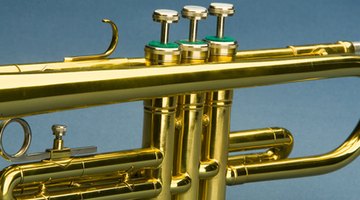
It most often happens because the player left the mouthpiece in while putting the instrument in its case, or by hitting the mouthpiece into the instrument to try to get it to stay in place. However it happens, the mouthpiece is stuck, and it's nearly impossible to remove by hand. A Bobcat mouthpiece puller can remove the mouthpiece without damaging it and also has the advantage of working on any brass instrument.
-
Place the instrument on a flat surface.
-
Unscrew the two long screws on the front of the Bobcat mouthpiece puller counterclockwise until it's short enough to fit below the cup of the mouthpiece when the back half is placed where the mouthpiece enters the instrument.
-
Loosen the two back screws slightly, and pull the two plates on the back of the mouthpiece puller apart.
-
Place the mouthpiece inside the opening in the mouthpiece puller, so that the back is situated where the mouthpiece enters the instrument; the mouthpiece puller should not touch the instrument.
-
Push the two plates of the mouthpiece puller together so that they fit snugly against the sides of the mouthpiece and tighten the back screws.
-
Hold the mouthpiece puller firmly in place while you tighten the two front long screws clockwise, alternating between screws. As you tighten the screws, the mouthpiece puller should elongate to push against the cup of the mouthpiece.
-
Continue to alternate screws until you feel the mouthpiece loosen from the leadpipe.
-
Gently pull the mouthpiece puller, along with the attached mouthpiece, from the instrument. Unscrew the front and back screws to release the mouthpiece.
References
Resources
Writer Bio
Henrietta Padgett began writing for various websites in 2010. Padgett holds a Bachelor of Arts in English and interned for a small publisher who specialized in health and cooking articles. She enjoys writing about her favorite interests, including hair care, books, languages (especially Latin) and animals.
Photo Credits
- trumpet image by Andrzej Solnica from Fotolia.com
- trumpet image by Andrzej Solnica from Fotolia.com
More Articles

