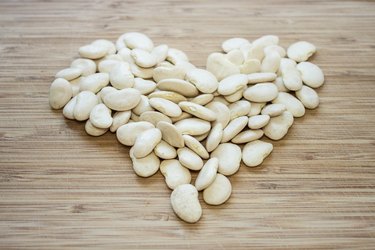
Sprouting lima beans in a plastic bag creates an exciting experiment for young children. Lima beans can easily begin growing roots and shoots when supplied with the right growing conditions. Soaked paper towels create enough moisture to allow the beans to grow, while sunlight heats the plastic bag and generates humidity. Once the lima beans inside the plastic bag sprout, you can transplant them to a flower pot or grow them in your garden.
Step 1
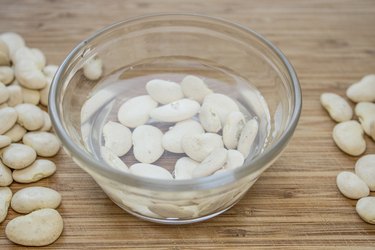
Soak the lima beans overnight in cold water to help start germination. You will only need to soak four or five beans to get at least two or three that will sprout. Place enough water in a bowl to cover the lima beans.
Video of the Day
Step 2
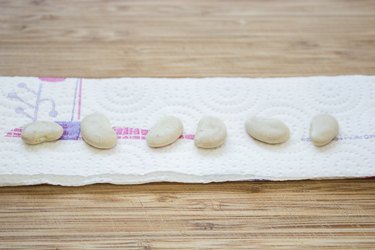
Lay four or five sheets of paper towels on top of each other. Spread the soaked beans in single layer on the paper towels. Place another layer of four or five paper towels on top of the lima beans.
Step 3
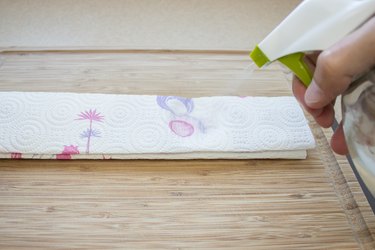
Fill a spray bottle with water. Spray the paper towels with a fine mist of water until they are thoroughly damp.
Step 4
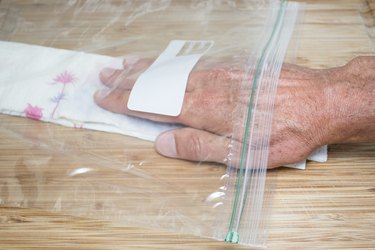
Slide the moistened paper towels, with the beans between them, into a gallon-size plastic zippered bag.
Step 5
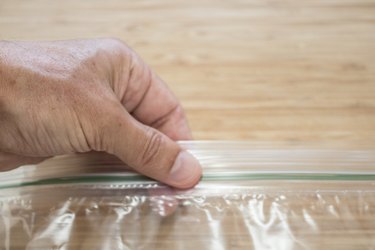
Seal the zippered bag tight. Leave some air inside the bag to aid in the germination process. Place the sealed bag on a windowsill to allow the beans to stay warm and receive plenty of sunlight.
Step 6
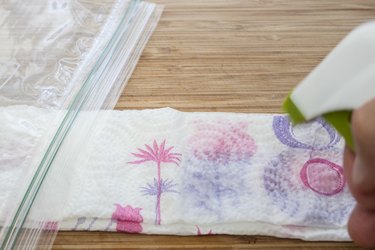
Check on the beans in the bag every day and spray more water on the paper towels if they appear dry. Green shoots should begin sprouting from the roots in a few days' time.
Step 7
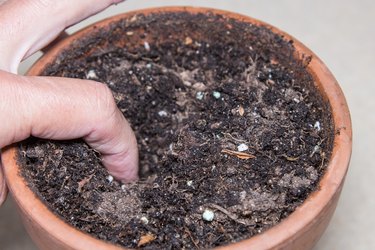
Fill a flowerpot with soil. Use your fingers to create a 1-inch hole for each sprouted lima bean. Keep the holes at least 3 or 4 inches apart. You may need to use more than one flowerpot.
Step 8
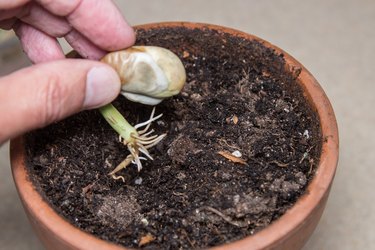
Drop one sprout into each hole and cover with soil. Water enough to moisten the soil and place the flowerpot in a sunny location.
Video of the Day