

How to Make a Boric Acid Solution for Spraying Cockroaches

Cockroaches are not only creepy, they can ruin food stores and spread disease. Boric acid is a distillate of boron, which occurs naturally in the Mojave desert. It has been used to safely combat cockroaches for generations.
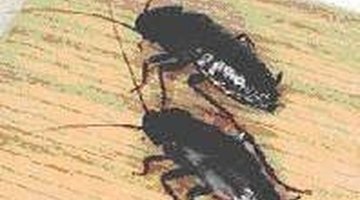
According to the University of Kentucky, boric acid works so well because it is not an insect repellent. Cockroaches will return to the treated area again and again, carrying the boric acid back to their nest. The most common method is to sprinkle the powder along baseboards and in floor cracks. Commercial spray solutions are available, but it is easy and cost-efficient to make your own.
-
Mix 3/4 of a cup of boric acid, which is available at any home improvement store, with 1 gallon of water. Mix thoroughly. Pour the solution into a plastic spray bottle.
-
Remove all serving dishes, pet food, water dishes and any food from counters and floors where you intend to spray.
-
Spray a generous amount of the boric acid solution along baseboards and the back of counters, avoiding any food-preparation surfaces. Let the solution dry.
-
Re-apply every other day for two weeks, or until you no longer see any cockroaches.
Things You Will Need
- Boric acid
- Plastic spray bottle
Tip
If your infestation is really bad, empty all cupboards and cabinets and spray thoroughly around their edges. Let the solution dry completely before replacing items.
Warning
Boric acid has very low toxicity, but some people are sensitive to it. Do not spray utensils, serving items, dishware or food preparation areas. Make sure you label and then properly dispose of the gallon container and spray bottle when you are done with them. They should not be used for anything else.
Writer Bio
Brynne Chandler has been a freelance writer and lover of all things home-related for her entire adult life. Her passions include remodeling old houses, gardening and crafts of all kinds. Equally comfortable in an evening gown or overalls, she has been helping people learn how to make the most out of what’s on hand for almost a decade. Her work has appeared in the San Francisco Chronicle and the Houston Chronicle online, among other places.
Photo Credits
- Image courtesy afreni on Photobucket
- Image courtesy afreni on Photobucket
More Articles

