
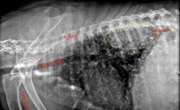
The circulatory system and the respiratory system work closely together to ensure that organ tissues receive enough oxygen. Oxygen is required for cellular functions. The air breathed in and held in the lungs is transferred to the blood. The blood is circulated by the heart, which pumps the oxygenated blood from the lungs to the body. Additionally, the two body systems work together to remove carbon dioxide, which is a metabolic waste product.
The Heart
How do the cardiovascular and respiratory systems work together? The heart is where circulation and cooperation between the respiratory and the cardiovascular systems begin. The heart has two ventricles and two atria. The right ventricle and atrium are where blood is received from the veins. Deoxygenated blood flows into the right atrium of the heart. When the heart muscle relaxes, the blood is released from the atrium and into the right ventricle. The right ventricle then pushes the blood through the pulmonary valve and into the pulmonary artery, where the blood is delivered to the lungs for retrieval of oxygen. The blood is then returned to the left side of the heart. As on the right side, the left atrium receives the blood and sends it to the ventricle when the heart muscle relaxes. Finally, the blood is pushed to the aorta and delivered to the rest of the body.
The Lungs
The lungs are where carbon dioxide and oxygen are exchanged. Lungs are the primary organ in the respiratory system. The process is called gas exchange. When you inhale, the alveoli in the lungs fill with oxygen. The oxygen is sent to blood cells in the capillaries that surround the alveoli. When you exhale, the carbon dioxide in the blood is sent to the alveoli, where it is expelled from the body. At this point, the blood is now filled with oxygen and returns to the heart.
Left Ventricle
The heart's left ventricle is where the cardiovascular and respiratory systems come together, as this is where the oxygenated blood is delivered from the lungs into the blood. The left ventricle of the heart opens, and blood is pumped into the chamber to prepare for delivery to the body's tissues. The valve to the aorta opens, and the blood is pumped into the artery. The aorta is the major artery of the body that delivers large amounts of blood to the different parts of the body, including the legs, the arms and the brain.
Arteries
Arteries are the main sources that deliver oxygenated blood to the body, and they are dependent on the lungs for the oxygen. The blood starts at the aorta and travels to the body's extremities. The aorta branches into arterioles, which branch into even smaller vessels called capillaries. These capillaries have very small membranes that allow the oxygen to move across them and into the cells.
Bronchioles and Alveoli
The bronchioles and alveoli are the main parts of the lungs that deliver oxygen to the blood. The bronchioles are branches off the trachea that span the lobes of the lungs in the respiratory system. They terminate in alveoli, the site for gas exchange, which are tiny sacs surrounded by capillaries. When understanding how the cardiovascular system works with the respiratory system, these parts of the lungs are the main site for cardiovascular and respiratory interaction.
References
About the Author
Lysis is the pen name for a former computer programmer and network administrator who now studies biochemistry and biology while ghostwriting for clients. She currently studies health, medicine and autoimmune disorders. Lysis is currently pursuing a Ph.D. in genetic engineering.