
Types of Hydrogen Generators
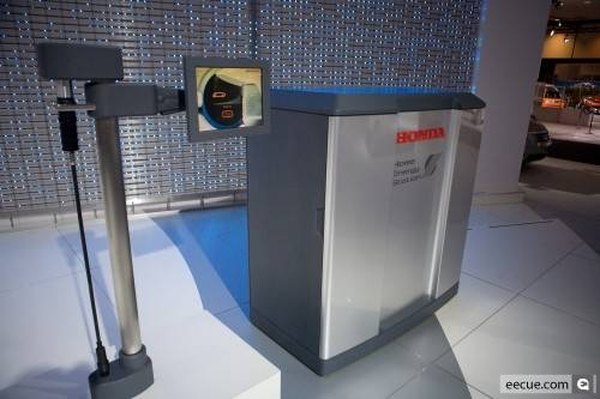
Hydrogen generators may either be generators that are powered by hydrogen or ones that make hydrogen. A generator that is powered by hydrogen will use the gas or a hydrogen fuel cell to generate electricity for use by the generator. A generator that produces hydrogen will do so through either by using electrolysis processing or water, or the extraction and reformation of pure hydrogen from a hydrogen rich chemical such as sodium borohydride, ammonia, methanol or gasoline. The water electrolysis method produces little waste to be disposed o,f while the extraction and reformation process creates numerous byproducts that must be disposed of or recycled through some other process.
How it Works
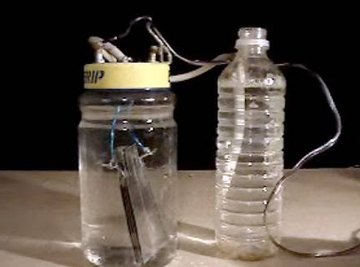
Whether the hydrogen generator is using water or extracting and reforming hydrogen from other chemicals, the basic principal of the generator remains the same. The source liquid or chemical is placed in a container with two metal plates. The plates are then "charged" (either through the introduction of electricity or through a chemical reaction) causing the elements of the source to separate into H2 and a byproduct that is not used by the generator. The H2 is then removed from the container.
Current Applications
Many hydrogen generators that use water electrolysis technology are sold to the public as part of fuel efficiency systems to be installed in private vehicles. An ultra-high purity hydrogen generator that works on the water electrolysis system is used in medical and research fields to produce high purity hydrogen for gas chromatography and other uses. Extraction and reformation generators tend to be used in fueling stations for hydrogen cars (they extract the hydrogen from natural gas stored at the stations) and in hydrogen fuel cells that are installed in hybrid vehicles that combine the cell with a conventional combustion engine.
Potential Applications
Many countries are aggressively pursuing the development of hydrogen generator technology as they recognize that hydrogen generators could radically reduce the amount of toxic emissions released into the atmosphere if systems were placed in all vehicles, whether as hydrogen fuel cells in a hybrid car or as additional supports to fuel efficiency in a standard car, and hydrogen generators were added to their country's power grids. The use of hydrogen generators in vehicles could drastically reduce dependence on fossil fuels. That a hydrogen generator can be easily built out of everyday items and produce enough electricity and H2 gas to power houses, vehicles and other applications could change the nature of the global economy by making electricity and power affordable and available to everyone, on or off established power grids. Both the Energy Information Administration of the U.S. Government and the National Research Council of Canada maintain websites to promote and document their efforts into seeing their technology brought into its full use within the next 20 years. Both countries support research to release the potential ability of a hydrogen generator to "recycle" chemicals and use plain water as a source for energy and make it a source for endless, renewable electricity.
About the Author
Cassandra Tribe has worked in the construction field for over 17 years and has experience in a variety of mechanical, scientific, automotive and mathematical forms. She has been writing and editing for over 10 years. Her areas of interest include culture and society, automotive, computers, business, the Internet, science and structural engineering and implementation.
Photo Credits
stock image www.techeblog.com