



Pancreatic disease, also known as pancreatitis, is an inflammation of the pancreas. The pancreas sits behind the stomach and is in close vicinity of the duodenum, the opening of the small intestine. The pancreas stores digestive enzymes that are needed to break down food and releases the hormone insulin into the bloodstream. When the pancreas becomes inflamed, the digestive enzymes will attack and damage tissue inside the pancreas. Pancreatic disease can be acute or chronic.
Acute Pancreatic Disease Symptoms

Acute pancreatitis involves pain in the upper abdomen that may extend to the back. The pain is normally felt after eating and can be severe and last for several days. Other symptoms include fever, nausea, vomiting, rapid heartbeat and a swollen stomach. Dehydration and low blood pressure may occur and, if the pancreas starts bleeding, shock and death may result.
Chronic Pancreatic Disease Symptoms

Chronic pancreatic disease symptoms will mimic some of the symptoms of acute pancreatic disease, such as pain radiating from the upper stomach to the back and worsening pain after eating or drinking. Other symptoms include vomiting, weight loss, diarrhea, oily stools, nausea and malnutrition. As the pancreas becomes increasingly damaged pain can subside, since the pancreas is no longer able to function.
Causes

Causes of acute and chronic pancreatitis include alcohol abuse, gallstones, injury to the abdomen, smoking, cystic fibrosis, infection, a family history of pancreatic diseases, infection and ulcers. Some medications and autoimmune diseases can also trigger pancreatic diseases.
Diagnosis
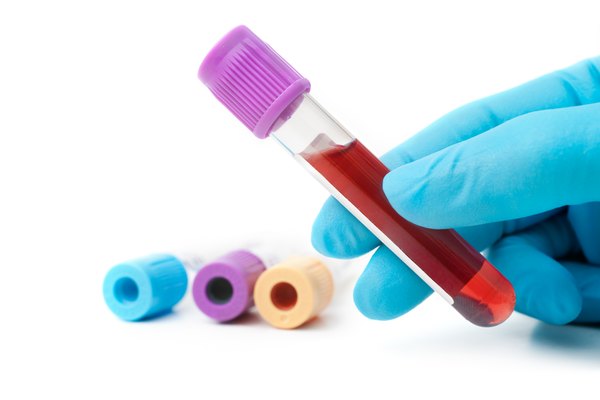
An ultrasound uses sound waves to create an image of the pancreas, liver, stomach and other organs and will show whether gallstones may be causing damage to the pancreas. A CT scan shows a three-dimensional picture of the pancreas and will reveal if any damage is present. Blood, urine and stool samples may also be obtained to diagnose chronic pancreatic disease. These tests will determine if malnutrition is present, a symptom of chronic pancreatitis.
Treatments

Treatment will involve a hospital stay of a few days or longer depending upon the severity of the pancreatitis. IV fluids, antibiotics, and pain medications will be given to treat the disease. You will not be permitted to eat for a few days in order for the pancreas to rest. Clear liquids and bland foods will be introduced back into your diet.
Surgery may be needed to treat the cause of the pancreatitis. Gallbladder removal will be necessary if gallstones are causing the disease. Pancreas surgery will remove damaged tissue and drain any fluid from the pancreas.
Drinking alcohol will have to stop and you will need to modify your diet to low fat, high nutrient foods. Enzyme supplements can aid in digesting meals and can be taken in tablet form before each meal. Discuss with your doctor what types of digestive enzyme supplements to take.
References
Writer Bio
Constance Barker, located in the hills of southern Ohio, is the owner and writer of several financial, credit report and travel websites. She started writing in 1999 for private clients and began creating website content in 2004. She gained expertise in home improvement after she and her husband built their home themselves.
Image Credit
decade3d/iStock/Getty Images