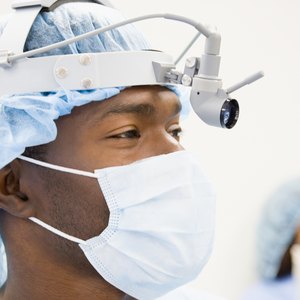
The Process of Chemotherapy
-
Introduction
-
According to the American Cancer Society, as of 2009, 1,479,350 Americans had been diagnosed with cancer. Although this disease is destructive and in many cases fatal, chemotherapy has shown success in treating the disease. Chemotherapy uses drugs to kill cancer cells and prevent them from growing or multiplying.
Blood Tests
-
Before chemotherapy can be performed, a series of blood tests must be run to determine the risks in relation to the benefits to the patient. The two most important factors these blood tests examine are blood counts and liver health. It is important that the liver be healthy, as it will be needed to help remove the chemotherapy drugs from the body. Blood counts are also important as they indicate whether the immune system is healthy enough to help heal cells that may be damaged during the chemotherapy process. If either of these results are off and the patient is in a state where she can wait for treatment, treatment may be held off until the results improve.
-
Oral Medications
-
Some chemotherapy is administered through the ingestion of tablets. The drugs are absorbed into the blood stream and transported throughout the body. Chemotherapy medications are designed to attack any cells that are multiplying rapidly. Once the chemotherapy drug recognizes a quickly multiplying cell, it alters the cell's structure so it can no longer multiply. Unfortunately, chemotherapy drugs cannot distinguish between healthy cells and cancer cells---the drugs attack and kill healthy healthy cells as well as cancerous cells.
Intravenous Medications
-
Chemotherapy drugs can also be given intravenously. This involves either an injection or cannula set up to introduce the drug directly into the vein. A cannula is a tube inserted directly into the veins, most commonly on your hand, which slowly drips the medication directly into the bloodstream.
Implanted Ports
-
Chemotherapy drugs may also be administered through an implanted port, a more permanent device implanted under the skin. The device is then connected to a vein. This allows the medical team to quickly connect a special needle or drip system into the port. Since many chemotherapy treatments need to be done over extended periods of time, this allows the medical teams to administer medications over a few hours or even over a few weeks. In some circumstances, a special pump may be sent home with the patient to continue treatment from home. Once the treatment is completed, the port can be removed.
Catheters
-
A catheter is another way to avoid multiple injections. In this case, a tube system is directly connected to a vein near the heart (skin tunneled catheter), or into the arm (peripherally inserted central catheter). This allows the medication delivery system to be hooked up to the catheter at any time over weeks or even months.
-
References
- Photo Credit cosmosmagazine.com