4 Signs You Might Have a Leg Aneurysm
An aneurysm refers to a dilated segment of an artery caused by weakness and thinning of the wall. Leg aneurysms are very rare, occurring in less than 1 percent of the population, according to the Society for Vascular Surgery. Although this condition sounds serious, the risk of rupture is low.
If you are experiencing serious medical symptoms, seek emergency treatment immediately.
Most leg aneurysms develop in the popliteal artery, which passes behind the knee before branching to supply blood to the lower leg and foot. Iliofemoral aneurysms involve the large arteries that enter the leg at its junction with the hip and are even more uncommon. Most leg aneurysms cause no symptoms, especially if small. When symptoms develop, they typically occur due to the aneurysm compressing nearby structures or the formation of a blood clot in the dilated artery.
Pulse in Leg
Because most leg aneurysms cause no symptoms, they often go unnoticed until complications develop. However, a painless pulsating mass — which differs from a normal arterial pulse — might come to the attention of an astute person or his doctor. A popliteal aneurysm might cause such a mass behind the knee, whereas an iliofemoral aneurysm mass would be located toward the middle of the crease at the junction of the thigh and hip.
The pulsation in the mass might feel unusual to your doctor due to slight vibration caused by turbulent blood flow in the aneurysm. Listening to the mass with a stethoscope can confirm this turbulent flow, which frequently produces a swooshing sound called a bruit.
Read more: Popliteal Aneurysm Symptoms
- Because most leg aneurysms cause no symptoms, they often go unnoticed until complications develop.
- A popliteal aneurysm might cause such a mass behind the knee, whereas an iliofemoral aneurysm mass would be located toward the middle of the crease at the junction of the thigh and hip.
Aneurysm in Leg
Popliteal Aneurysm Symptoms
Learn More
A leg aneurysm that compresses a nearby nerve can lead to tingling, numbness, a burning sensation or shooting leg pain. These sensations typically originate near the site of the aneurysm and radiate downward. Muscle weakness might also occur due to compression of motor nerves. Aching bone pain might occur if the aneurysm is large enough to compress nearby bones of the leg, although this is uncommon.
Leg pain might also develop if a blood clot forms within the aneurysm that limits blood supply to the area of the leg beyond the clot. This type of pain, known as ischemic pain, typically worsens with activity and abates with rest if the artery is not completely blocked. Sudden, severe leg pain might signal complete obstruction of a leg artery by an aneurysm-derived blood clot or rupture of the aneurysm, both of which require immediate emergency medical treatment.
- A leg aneurysm that compresses a nearby nerve can lead to tingling, numbness, a burning sensation or shooting leg pain.
- Aching bone pain might occur if the aneurysm is large enough to compress nearby bones of the leg, although this is uncommon.
Swelling and Discoloration
Major arteries and veins course through the leg in close proximity. A large arterial leg aneurysm can compress nearby veins, causing pooling of blood due to partially obstructed outflow. This might lead to swelling of the leg, or edema, below the site of the aneurysm. Edema is typically most noticeable in the ankle and foot and might cause one shoe to be unusually tight. Longstanding edema related to vein obstruction can cause reddish-brown skin discoloration of the affected leg.
With significant obstruction of arterial blood flow into a leg due to an aneurysm-related blood clot, the skin might appear unusually pale or bluish. In some people, tiny pieces of the clot in the aneurysm break off and lodge in small arteries of the feet or toes, causing localized blue or purple discoloration.
Read more: What Are the Signs and Symptoms of Dissecting Iliac Artery Aneurysm?
- Major arteries and veins course through the leg in close proximity.
- With significant obstruction of arterial blood flow into a leg due to an aneurysm-related blood clot, the skin might appear unusually pale or bluish.
Warnings and Precautions
Symptoms of an Aneurysm in the Ankle
Learn More
Most leg aneurysms cause no symptoms and come to light coincidentally. However, if you develop any signs or symptoms that might indicate a leg aneurysm, see you doctor as soon as possible. As the symptoms of a leg aneurysm are not specific, you might not have this condition 1. But it's important to be evaluated promptly so that appropriate treatment can begin.
Seek emergency medical care if you experience sudden, severe leg pain. This could signal complete obstruction of blood flow to your leg due to a clot or rupture of the aneurysm — both of which might necessitate amputation if not treated immediately.
- Most leg aneurysms cause no symptoms and come to light coincidentally.
- However, if you develop any signs or symptoms that might indicate a leg aneurysm, see you doctor as soon as possible.
Related Articles

Popliteal Aneurysm Symptoms
Learn More

Symptoms of an Aneurysm in the Ankle
Learn More
What Are the Signs and Symptoms of Femoral Aneurysm?
Learn More

DVT Symptoms in the Legs
Learn More
Symptoms of a Blood Clot in Groin Area
Learn More

Carotid Aneurysm Symptoms
Learn More

Atherosclerotic Disease of the Abdominal Aorta Symptoms
Learn More

Causes of Right Calf Swelling
Learn More
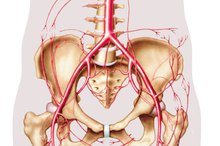
What Are the Signs and Symptoms of Dissecting Iliac Artery Aneurysm?
Learn More

Blood Clot After Surgery Symptoms
Learn More
References
- Circulation: Site Specificity of Aneurysmal Disease
- Merck Manual: Professional Version: Peripheral Arterial Aneurysms
- Society for Vascular Surgery: Peripheral Aneurysm
- Yang X, Peng J, Pang J, Wan W, Chen L. A functional polymorphism in the promoter region of miR-155 predicts the risk of intracranialhemorrhage caused by rupture intracranial aneurysm. J Cell Biochem. 2019 Jul 24. doi: 10.1002/jcb.28785. [Epub ahead of print]
- Juvela S.Treatment Scoring of Unruptured Intracranial Aneurysms. Stroke. 2019 Jul 10: STROKEAHA119025599. doi: 10.1161/STROKEAHA.119.025599. [Epub ahead of print]
- Pagiola I, Mihalea C, Caroff J, Ikka L, Chalumeau V, Iacobucci M et al. The PHASES score: to treat or not to treat? Retrospective evaluation of the risk of rupture of intracranial aneurysms in patients with aneurysmal subarachnoid hemorrhage. J Neuroradiol. 2019 Aug 7. pii: S0150-9861(19)30260-3. doi: 10.1016/j.neurad.2019.06.003. [Epub ahead of print]
- Tai J, Liu J, Lv J, Huibin K, Hou Z, Yang J et al. Risk factors predicting a higher grade of subarachnoid haemorrhage in small ruptured intracranial aneurysm (< 5 mm). Neurol Neurochir Pol. 2019 Aug 9. doi: 10.5603/PJNNS.a2019.0029. [Epub ahead of print]
- Juvela S.Treatment Scoring of Unruptured Intracranial Aneurysms. Stroke. 2019 Jul 10: STROKEAHA119025599. doi: 10.1161/STROKEAHA.119.025599. [Epub ahead of print]
- Pagiola I, Mihalea C, Caroff J, Ikka L, Chalumeau V, Iacobucci M et al. The PHASES score: to treat or not to treat? Retrospective evaluation of the risk of rupture of intracranial aneurysms in patients with aneurysmal subarachnoid hemorrhage. J Neuroradiol. 2019 Aug 7. pii: S0150-9861(19)30260-3. doi: 10.1016/j.neurad.2019.06.003. [Epub ahead of print]
- Tai J, Liu J, Lv J, Huibin K, Hou Z, Yang J et al. Risk factors predicting a higher grade of subarachnoid haemorrhage in small ruptured intracranial aneurysm (< 5 mm). Neurol Neurochir Pol. 2019 Aug 9. doi: 10.5603/PJNNS.a2019.0029. [Epub ahead of print]
- Yang X, Peng J, Pang J, Wan W, Chen L. A functional polymorphism in the promoter region of miR-155 predicts the risk of intracranialhemorrhage caused by rupture intracranial aneurysm. J Cell Biochem. 2019 Jul 24. doi: 10.1002/jcb.28785. [Epub ahead of print]
Writer Bio
Rae Uddin has worked as a freelance writer and editor since 2004. She specializes in scientific journalism and medical and technical writing. Her work has appeared in various online publications. Uddin earned her Master of Science in integrated biomedical sciences with an emphasis in molecular and cellular biochemistry from the University of Kentucky College of Medicine.