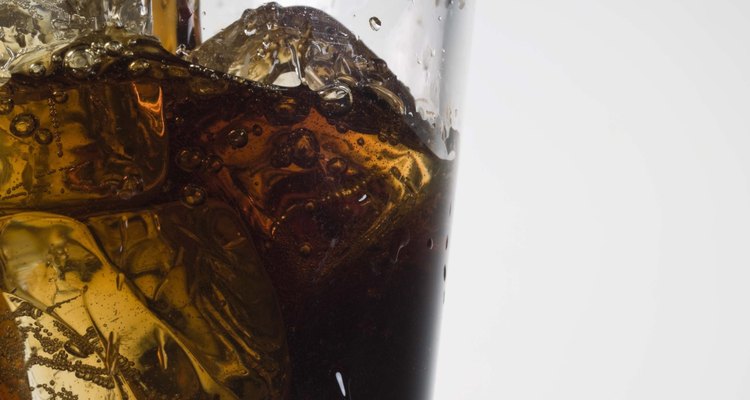
Fizzy drinks have been around for hundreds of years and continue to be enjoyed today. There is something undeniably refreshing about carbonated soda; when the soda goes flat, however, it quickly loses its satisfying sensation. In short, you can re-carbonate soda at home, but you'll have to turn to some lesser-known kitchen gadgets to do so.
How Carbonation Works
When your carbonated soda is on the assembly line, its container is first filled with a mixture of water, carbon dioxide gas and flavored syrup. The manufacturer then pumps additional carbon dioxide gas into the container's empty space. This prevents the gas in the mixture from escaping, putting the contents of the soda under pressure. When you open the a bottle of soda at home, you can hear the hiss of the carbon dioxide gas escaping; once the gas escapes, the dissolved carbon dioxide does as well, rushing to the surface and forming bubbles.
Pumps
As you drain a bottle of soda, you leave more room for the dissolved carbon dioxide to escape; once all the gas escapes, it stops causing bubbles, and you're left with a flat soda. Small, hand-held carbon dioxide pumps exist that re-carbonate your soda at home or on the go. These handle-shaped pumps use CO2 cartridges and come with special bottle caps that feature rubber gaskets and tiny air valves. You simply equip your soda bottle with the cap, stick the pump's nozzle into the valve and shoot fresh CO2 into your flat soda, which re-pressurizes the bottle and makes new bubbles.
Dispensers
An alternative to re-carbonating pumps, at-home soda dispensers won't re-carbonate your pop, but they will keep it from going flat in the first place. These dispensers attach to the top of the soda bottle, serving as a base -- you set the bottle upside-down in your fridge so that it rests on the dispenser, which serves soda much like a beer or soda tap at a restaurant. Positioning the bottle upside-down makes it impossible for the CO2 ito escape, keeping the bottle pressurized and bubbly.
Tips
As soda dispensers illustrate, the key to keeping soda fizzy lies in keeping CO2 inside the bottle. Although flatness is ultimately inevitable over time, closing the bottle as soon as possible helps your soda retain its carbonation for as long as possible. Likewise, keeping the cap on tight and keeping your soda cool helps extend your pop's longevity.
Related Articles
How Long Will Plastic Bottles of Soda ...

How to Know if a CO2 Tank Is Empty in a ...

How to Keep Kegs From Going Flat
How to Open a Corny Keg

What Happens When You Mix Lemon Juice ...
What Is a Perfume Atomizer?

Should I Store Red Wine Horizontally or ...
How to Use Caustic Soda to Clean a Beer ...

Does a Chilled Champagne Bottle Need to ...

Does Brandy Ever Go Bad?

What Soda Do You Use With Whipped Cream ...
Can You Use Soda to Replace Oil in a ...

How Long Can You Keep Beer Refrigerated?

How Long Can a Bottle of Vodka Last ...

What Can You Put in Beer to Make It ...

How to Make Sarsaparilla Soda

How to Make Espresso Using a Krups Il ...

How to Remove the Smell of Cat Pee From ...

How to Use NUK Bottles
Can I Use Soda Pop in Brownies?
References
Resources
Writer Bio
With a diverse professional background and a decade of experience as a freelance writer, Dan has contributed lifestyle content -- from fashion to travel to fitness and more -- to publishers including Chron, Fortune, Sony, GlobalPost, ModernMom, Moviefone, Salon.com, Techwalla and dozens of others.
Photo Credits
Jupiterimages/Comstock/Getty Images