Things You'll Need
Clean terry cloths
Vacuum and brush attachment
Bucket
Sponge or soft brush
Mild dish or laundry detergent
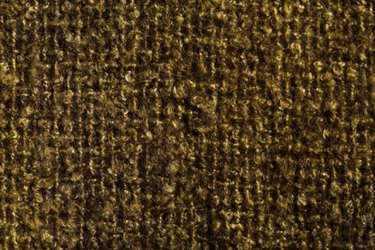
Tweed, a fabric made out of wool and woven into a slightly rough texture, has many applications, including clothing and upholstery. Because wool tweed contains lanolin, it is also naturally resistant to stains and odors. Of course, even tweed is not entirely immune to everyday dirt and grime. In order to maintain the classic look and natural beauty of your tweed, you will need to clean it from time to time.
Step 1
Soak up the spill or stain immediately with a clean terry cloth. Gently dab at the stain. Do not rub the stain because it will only cause the stain to become more deeply embedded within the tweed. If the liquid spilled on your tweed is thick, such as candle wax or mud, you may allow it dry before removing it. After it dries, simply scrape it off with your fingers and/or a soft brush.
Video of the Day
Step 2
Vacuum the tweed to the remove any loose dirt or dust. Connect the brush attachment to the hose of the vacuum and go over the entire surface of the tweed.
Step 3
Mix mild dish or laundry detergent into a bucket of warm water. Use only enough detergent to create a layer of foam or suds atop the water.
Step 4
Moisten the sponge or soft brush in warm water and dip into the soapy foam. Apply the detergent to a small, inconspicuous area on the tweed. If the soap does not discolor the tweed, you may proceed. Again, moisten the sponge or brush and dip it into the suds. Lightly scrub the tweed, focusing on any stained areas. Do not allow the tweed to get excessively wet.
Step 5
Continue scrubbing lightly with the sponge or brush until the tweed is entirely clean. Allow the material to air dry completely.
Tip
If the stain does not come out with a mild detergent, you may need to take the tweed to purchase a stronger upholstery shampoo or solvent. Again, if you use an upholstery shampoo or solvent, be sure to test it on an inconspicuous area first.
If you’re dealing with tweed cushion covers or upholstery, do not remove it from the furniture or cushion material in order to clean it. Removing the covers may distort the tweed’s size and color.
Video of the Day