
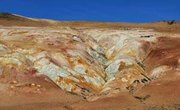
What is Geothermal Energy?
Geothermal power is harnessed from the earth. In Greek geo means earth and therme means heat. The words earth and heat define what geothermal energy is. Geothermal power plants harness the heat from the earth to produce electricity.
Geothermal power plants utilize hydrothermal energy to create a very clean source of energy. Hydrothermal energy is water sources in the form of steam or hot water obtained from below the earth's surface.
How do Geothermal Power Plants Produce Electricty?
Power plants produce geothermal energy by utilizing geothermal dry steam or geothermal hot water accessed by digging wells. Dry steam or hot water is brought to the surface through pipes and processed into electricity in the power plant.
There are three different ways that power plants process geothermal energy. The three different methods are dry steam, flash steam and binary-cycle. All three methods use steam to power a turbine which drives a generator that produces electricity.
Dry steam geothermal power plants use steam that is brought from below the earth's surface through pipes, directly to the power plants turbines.
Flash steam geothermal power plants use hot water that is brought from below the earth's surface. The hot water is sprayed into a tank and creates steam.
Binary-cycle geothermal plants use moderate temperature water from a geothermal source and combine it with another chemical to create steam. The steam powers the turbine that drives the generator to create electricity.
Pros and Cons of Geothermal Energy
Geothermal energy is one of the cleanest sources of energy. The drawback is that geothermal power plants are expensive to build and more expensive to operate than coal power plants. Wells have to be dug to access hydrothermal energy.
However, there is no definite way to locate hydrothermal energy and so a lot of guesswork is involved when digging wells. Wells cost millions of dollars to dig. Currently, the United States only uses approximately one percent of its hydrothermal resources.
The Future of Geothermal Energy
With current technology, geothermal power plants can only be built where steam or hot water geothermal sources exist. Scientists are working on ways to create cost efficient power plants that can use the geothermal sources created from the earth's magma.
Other Uses for Geothermal Energy
Geothermal energy has uses besides the production of electricity in power plants. Geothermal sources of hot water can be used to heat buildings. Hot water is pumped through pipes located in the building walls to heat the building. Geothermal hot water can also be used as a household hot water source. Geothermal hot water does not need to be heated and is therefore a clean and cheap source of hot water. The majority of Iceland uses geothermal sources of hot water for a household hot water source and to heat buidlings.
About the Author
Rose Kivi has been a writer for more than 10 years. She has a background in the nursing field, wildlife rehabilitation and habitat conservation. Kivi has authored educational textbooks, patient health care pamphlets, animal husbandry guides, outdoor survival manuals and was a contributing writer for two books in the Uncle John’s Bathroom Reader Series.
Photo Credits
Credit: Allan Kilgour Copyright: morguefile.com/seriousfun