How Do Geodes Form?

How Do Geodes Form? thumbnail
How Do Geodes Form?
  1. Description

    • Geodes are spheroid-shaped, hollow rocks that have an inner lining of small crystals projecting inward. Geodes are natural phenomena formed out of millions of years of geological evolution. While experts don't know for certain how geodes are actually formed, there are theories among geologists about the processes that take place. There are generally two types of geodes. One geode is made out of lava. The other is made from dolomite, a limestone-like sedimentary rock. Each geode is created through different processes. All geodes, no matter how they are formed, must contain hollow bodies in which crystals can form.

    How Geodes Are Formed From Lava

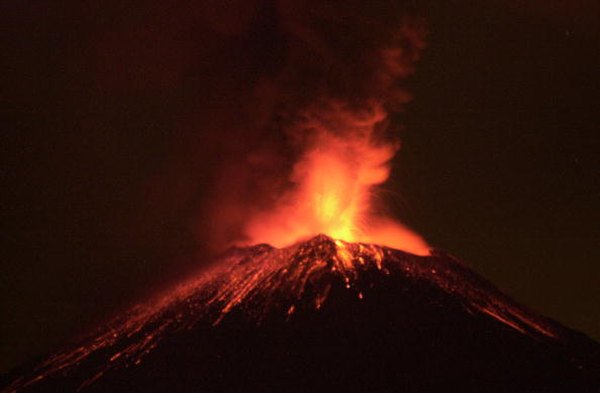
    • Some geodes are formed out of molten lava rocks. After the molten rocks cool, they create gasses that, when dissolved, turn into bubbles. These bubbles turn into cavities once the rocks harden. The early stages of these cavities are called thunder eggs. According to experts, the minerals that form into crystals may have flowed into these cavities in two ways. Either the minerals could have come from the hot water flowing through the cracks in the lava rocks as they cooled, or they could have been deposited much later as mineral groundwater. However the convention, minerals such as quartz are introduced into the thunder egg through a flow of water, thus creating the opportunity for crystals to form.

    How Geodes Are Formed From Dolomite

    • The formation of geodes from dolomite is much more complicated that those formed out of lava rocks. The theory of how dolomite geodes are formed came from geologist Robert Maliva in 1987. His theory goes that the geode cavity formed from a small, hard spheroid that later dissolved and became a cavity, a process that began over 350 million years ago in the warm, shallow waters that once covered what is now the central United States region. Lime sediments grew in the warm saltwater. When the saltwater interacted with sediments rich in calcite, the calcite metastasized into the minerals dolomite and anhydrite.

      The anhydrite then turned into hard spheroid bodies inside the dolomite. Meanwhile, the dolomite changed from a sediment into a hard rock. Anhydrite will dissolve even in the slightest amounts of acid in water. Thus, after acidic water was introduced, outer areas of the anhydrite broke away and were replaced with quartz, which were in the beginning only small fibers of crystal. The centers of the anhydrite bodies were then dispersed completely. Quartz was fed through the rock from water rich with minerals, forming the crystals that grow inside. Over time, the rocks disintegrated, leaving the dolomite to open the elements and causing it to dissolve. The hardened quartz then separated from the dolomite, turning into geodes formed on the ground.

Related Searches:

Resources

  • Photo Credit www.staticradio.com/author/miles/

Comments

View all 8 Comments

You May Also Like

  • How to Grow Geodes

    Geodes develop inside bubbles in molten rock. As the rock cools, the bubbles harden into hollow spheres with minerals inside them. Moisture...

  • How do I Cut Small Geodes?

    Geodes are rock formations with small cavities full of various crystals and similar chalcedony buildup. Geodes are formed from gas bubbles inside...

  • Where Do Bananas Come From?

    The banana is a berry that comes from what most people refer to as a banana tree, but is in fact a...

  • How to Clean Geodes

    A geode is a spherical stone with hollow spaces and crystal formations in its center. They are generally cut into two half-spheres...

  • How to Cut Geodes in Half

    Geodes are round, hollow rocks with crystal formations on the inside. It is entirely unknown as to what causes geodes to form...

  • How to Identify a Geode

    Geodes are one of the exciting secrets of nature: a round rock that looks ordinary until it is split open to reveal...

  • How to Cut a Geode

    A geode is a beauty of the natural world, consisting of a round rock that contains crystallized minerals on the inside. Before...

  • What is a Geode?

    Geode crystals look different depending on the location in which they are formed. The colors of the crystals are largely determined by...

  • Characteristics of Geodes

    Characteristics of Geodes. Geodes are mineral structures that often include an array of crystals hidden inside a rough exterior. Geodes are found...

  • How to Polish a Geode

    Geodes are true geological curiosities. They are basically hollow rocks that can range in size from small nodules to large boulders. Most...

  • Where to Find Geodes

    Geodes are rock formations found in sedimentary or volcanic rock all over the world. A geode looks like a regular spherical rock...

  • How to Locate Geodes

    Geodes were formed six to eight million years ago and are spherical-shaped rocks that are typically hollow inside and always lined with...

  • How do I Build a Free Form Outdoor Fireplace?

    Adding an outdoor fireplace to your backyard or patio can give the space extra style and drama. Purchasing a fire pit at...

  • Geode Explanation

    Cracking open a geode rock will often reveal a cavity full of mineral crystals. This property makes them a popular collector's item,...

  • What Environments Do Crystals Form In?

    Mineral crystals form in many ways throughout the world. You can find crystals in sedimentary, metamorphic and igneous rock environments. Unique formations...

  • How to Grow a Geode

    A geode is a formation of crystals that develops inside rock cavities. Naturally occurring quartz and calcite geodes form over several thousands...

  • How to Sell Geodes

    Selling geodes is a unique business for a beginning entrepreneur, as these beautiful rock formations can be hard to find. Whether you...

  • Geode Classifications

    Geodes are roughly spherical or oval-shaped rock formations found in layers of sedimentary or igneous volcanic rock. The harder geodes often erode...

  • How do I Remove an Amethyst From a Geode?

    Geodes form when a silica-rich water fills a pre-existing hole in a rock. Often, these holes formed from air bubbles trapped in...

Related Ads

Featured