

How to Dispose of an Old Analog TV
If you've bought an HDTV, you might have an analog-signal TV sitting around the house -- and be unsure of what to do with it. Don't send the old TV to the landfill -- it can contain hazardous materials and throwing it in the trash may not be allowed in some areas.
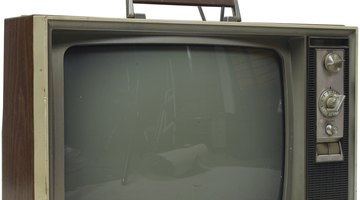
Instead, consider more environmentally friendly ways of getting rid of your old technology.
-
Donate your TV. Some charities may still accept non-digital TVs, but check with them first.
-
Recycle your analog TV. In some regions, recycling is free; in other areas, you may have to pay a small recycling fee -- ask your local government for details. Check with local electronics retailers to see if they will accept your old TV and what their terms are. Learn about other recycling options at freecycle.org or epa.gov.
-
Post an online ad to sell or give away your old TV. An analog TV can be used in a digital-signal world if the new owner has cable service or buys a converter box or special antenna.
Tip
If you want to sell your analog TV, figure on pricing it very low to make the sale.
References
Writer Bio
This article was written by PocketSense staff. If you have any questions, please reach out to us on our contact us page.
Photo Credits
- Hemera Technologies/PhotoObjects.net/Getty Images
- Hemera Technologies/PhotoObjects.net/Getty Images
More Articles

