Thalia Ho
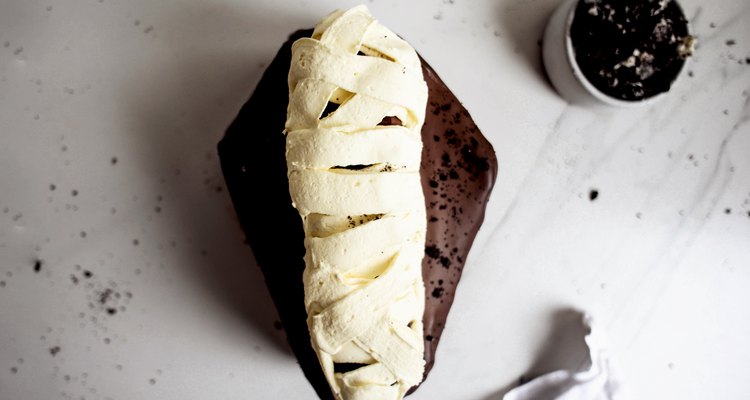
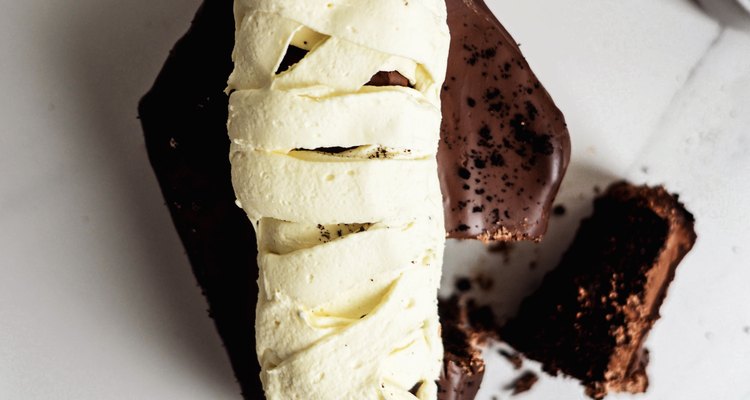
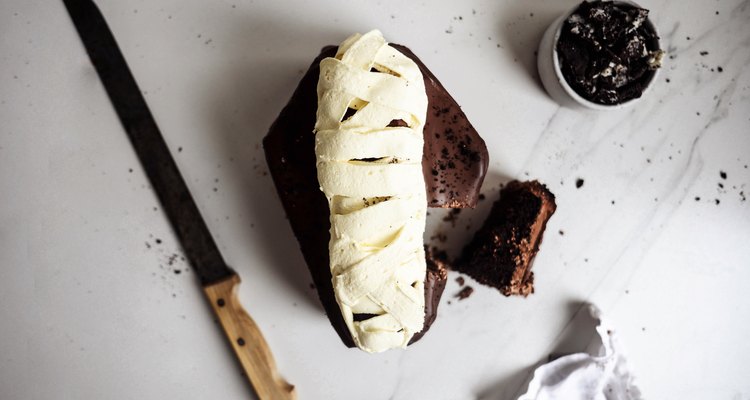
This spooky cake is shaped to look like a coffin, with a mummy (also made out of cake) resting on top! The cake is very chocolate-y and is comprised of thick layers of devils food cake that are coated in a rich dark chocolate buttercream. The entire cake is then covered in a smooth dark chocolate glaze... and the mummy is frosted up in a sweet white chocolate buttercream, too. A perfect Halloween treat!
Thalia Ho
Bake the Cake
Pre-heat the oven to 350 Fahrenheit (180 Celsius). Grease and line 2 x 8 inch (20 centimetre) square cake pans with parchment paper. Let the parchment slightly overhang the sides. Set them aside.
Place 6.35 ounce / 180 grams of the unsalted butter in a medium sized saucepan set over medium-high heat. Heat the butter, stirring constantly, until it is golden and melted. The butter will begin to foam but will subside as it continues to cook. Continue to cook the butter, swirling the pan occasionally but not stirring, until it is beginning to turn brown in color and is slightly nutty in fragrance. Some butter solids should have formed at the base of the saucepan too. Remove the saucepan from the heat and pour the butter into a small bowl and set it aside to cool.
Thalia Ho
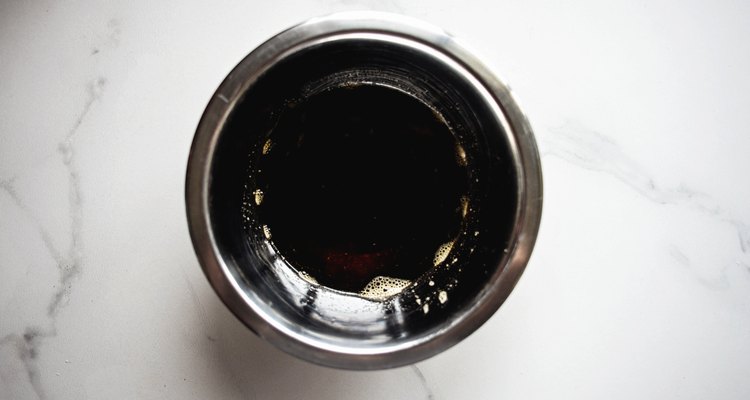
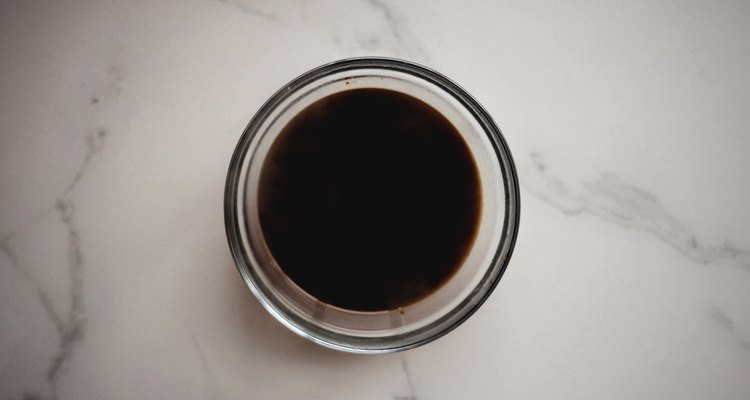
Next, place the finely ground espresso powder and boiling water in a medium sized bowl. Stir to dissolve the espresso then set aside the bowl aside until needed.
Thalia Ho
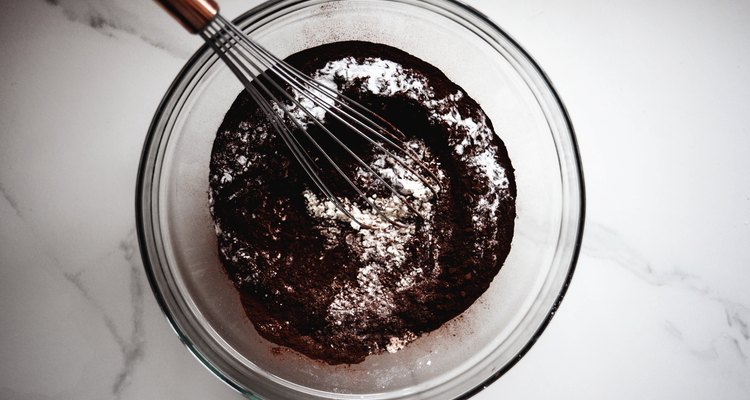
Whisk the flour, cocoa powder, baking powder, soda and 1/2 teaspoon of the salt into a large mixing bowl then whisk in all the granulated sugar.
Thalia Ho
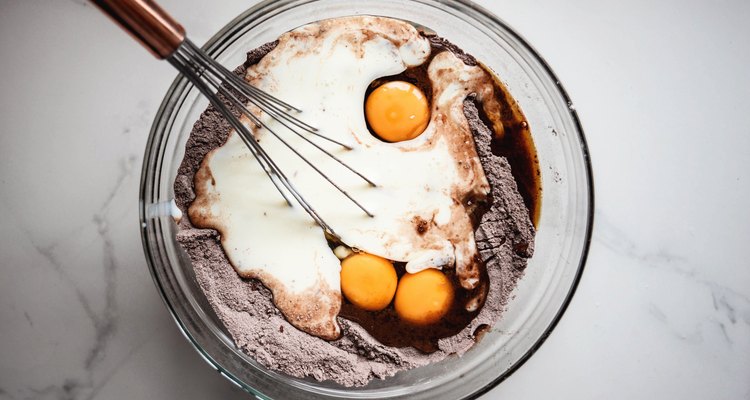
Add in the eggs, milk, 1 teaspoon of the vanilla bean extract and browned butter. Whisk to combine.
Thalia Ho
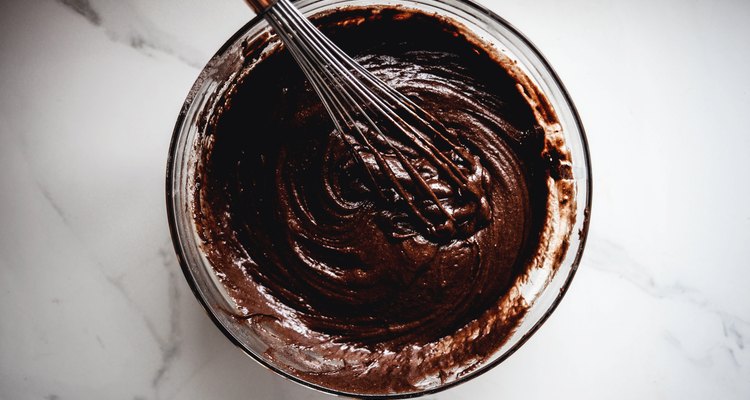
Pour in the brewed espresso then whisk to combine until smooth and glossy.
Thalia Ho
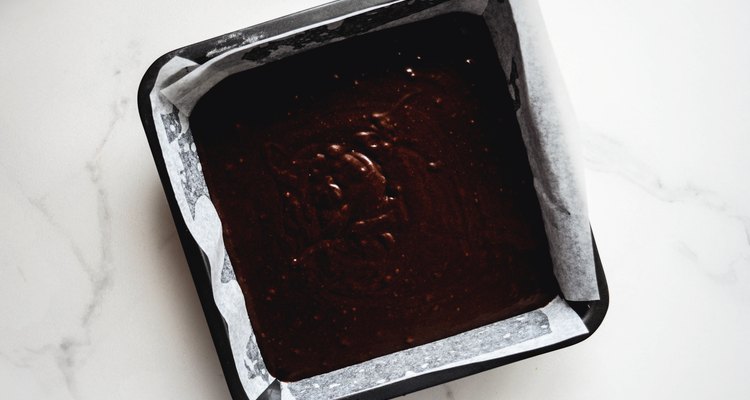
Divide the cake batter between the prepared cake pans. Bake for 40 to 50 minutes, or until the tops have risen and spring bake when lightly pressed. A cake skewer inserted into the middles of the cakes should also come out clean.
Thalia Ho
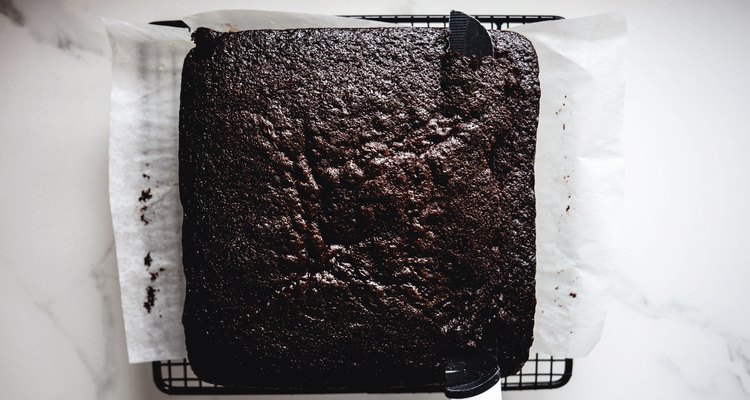
Remove from the oven and let the cakes cool in their tins for 20 minutes before turning out and onto a wire rack to let cool completely. Once the cakes have cooled, remove any domed tops with a cake leveler or large serrated knife. Set the leveled cakes aside for assembly.
Thalia Ho
Make the Chocolate Buttercream
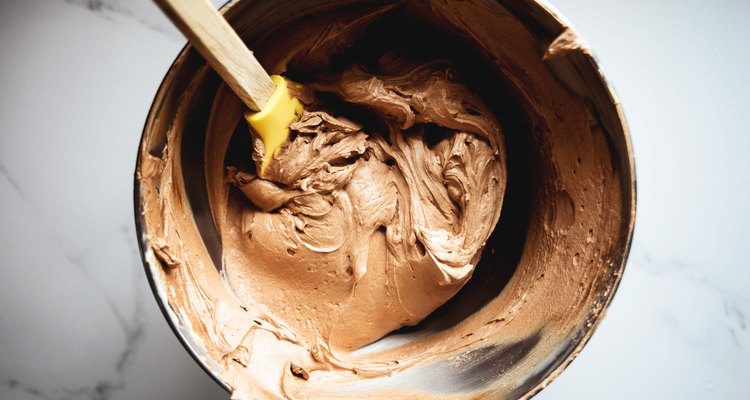
Set 7.1 ounces / 200 grams of the finely chopped dark chocolate in a heat-proof bowl set over a saucepan of barely simmering water set over medium-low heat. Do not let the bottom of the bowl touch the boiling water. Heat, stirring often with a rubber spatula, until the chocolate is smooth and glossy. Set the bowl aside to cool to room temperature.
Next, cream 10.6 ounces / 300 grams of the unsalted butter in the bowl of a stand mixer fitted with the beater attachment or with handheld electric beaters set on medium speed until it is smooth and malleable, 3 minutes. Add in 3.5 ounces / 100 grams of the confectioners' sugar, 1 teaspoon of the vanilla and 1/2 teaspoon of the salt. Beat to combine, 2 more minutes. Pause mixing to scrape down the bottom and sides of the bowl.
Pour in the melted dark chocolate then increase the speed to medium-high and continue to beat until the buttercream is thick, lightened in color and fluffy, 3 more minutes.
Thalia Ho
Assemble the First Stage of the Cake
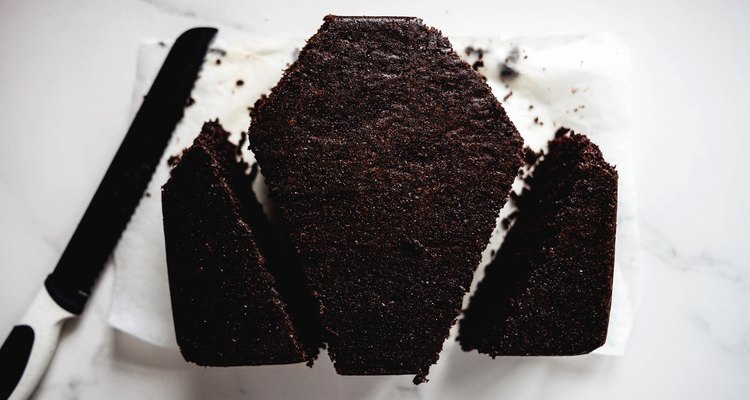
Once the cakes have cooled, you can begin to shape the cake. Stack the cooled and leveled cake layers on top of each other. Then, using a large serrated knife, carefully trim the cake away to form a rough 'coffin shape'. Reserve the left-over cake scraps in a large mixing bowl. The cake scraps will be used to make the 'mummy.'
Thalia Ho
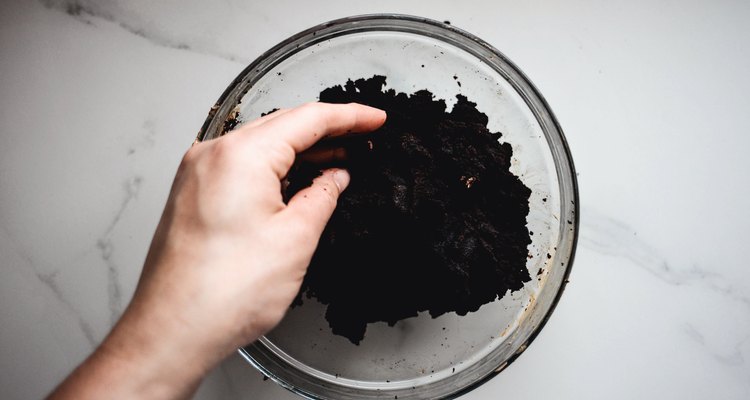
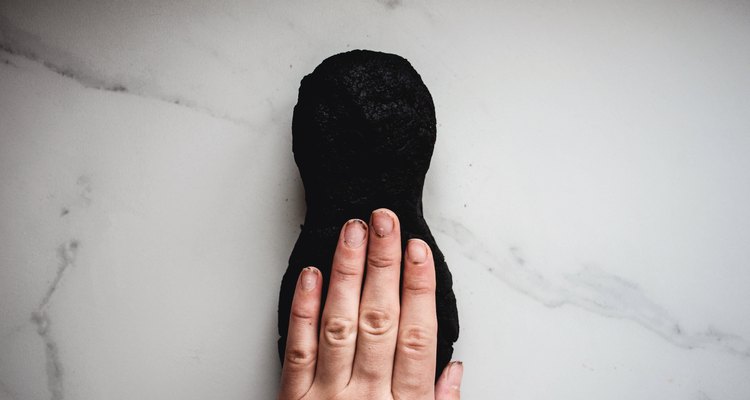
Next, use your hands to press the left-over cake scraps into a rough 'mummy' shape. Add 1 tablespoon of the chocolate buttercream as needed to bring the 'mummy' shape together.
Thalia Ho
Thalia Ho
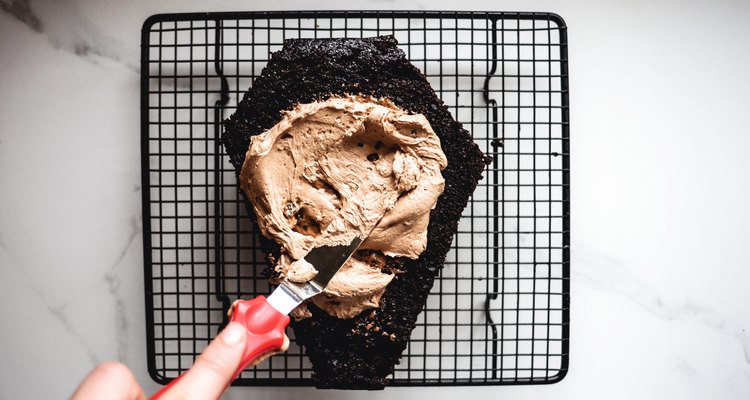
Next, set the first 'coffin' cake layer on a small cooling rack. Use an offset spatula to thickly frost the entire cake in the chocolate buttercream. Add on the second 'coffin' cake layer and use your fingers to gently press it on to seal. Frost the entire cake in the chocolate buttercream.
Thalia Ho
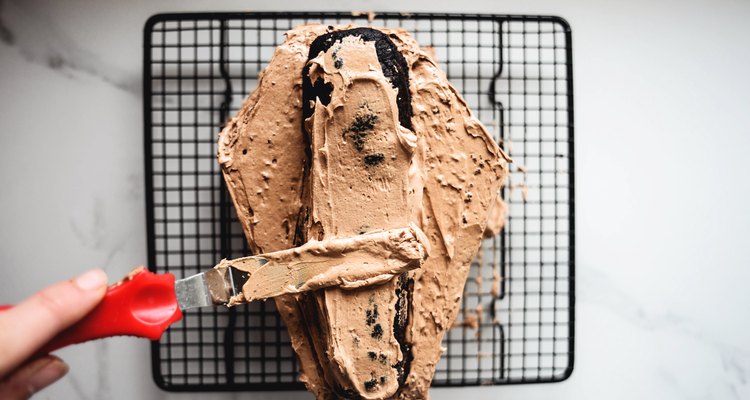
Attach the 'mummy' in the center of the cake. Thickly frost the 'mummy' in the chocolate buttercream too, then set the cake in the refrigerator to chill whilst you prepare the chocolate glaze and white chocolate buttercream.
Thalia Ho
Make the Chocolate Glaze
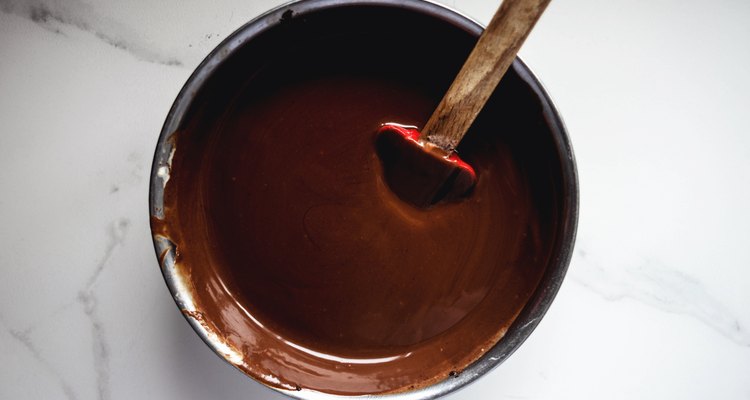
Place the remaining 7.1 ounces / 200 grams of the finely chopped dark chocolate in a bowl. Set it aside. Heat the cream in a medium sized saucepan set over medium-low heat until it reaches a light rolling boil.
Pour the cream over the chocolate and let the mixture sit for 1 minute before stirring with a rubber spatula until smooth and glossy. Set it aside to cool.
Thalia Ho
Make the White Chocolate Buttercream
Set the finely chopped white chocolate in a heat-proof bowl set over a saucepan of barely simmering water set over medium-low heat. Do not let the bottom of the bowl touch the boiling water. Heat, stirring often with a rubber spatula, until the chocolate is smooth and glossy. Set the bowl aside to cool to room temperature.
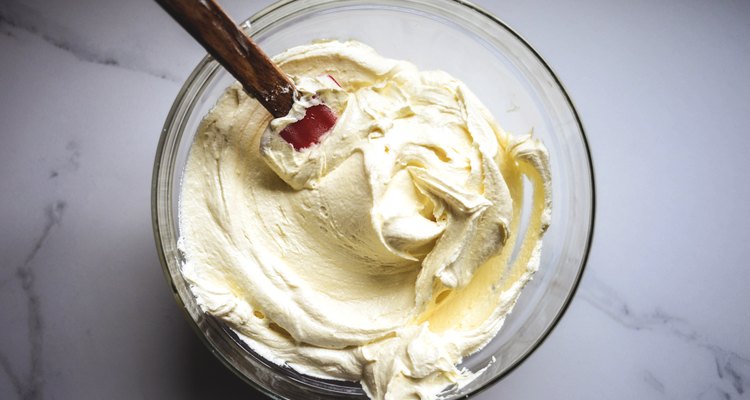
Next, cream the remaining 8.8 ounces / 250 grams of the remaining unsalted butter in the bowl of a stand mixer fitted with the beater attachment or with handheld electric beaters set on medium speed until it is smooth and malleable, 3 minutes. Add in the remaining 8.8 ounces / 250 grams of the confectioners' sugar and 1 teaspoon of the remaining vanilla. Beat to combine, 2 more minutes. Pause mixing to scrape down the bottom and sides of the bowl.
Pour in the melted white chocolate then increase the speed to medium-high and continue to beat until the buttercream is thick and fluffy, 3 more minutes. Set it aside.
Thalia Ho
Assemble the Last Stage of the Cake
Remove the cake from the refrigerator and set it over a small baking tray. Pour the cooled dark chocolate glaze over the entire cake. Use the small offset spatula to help spread it evenly over the top and the edges. Set the cake in the refrigerate to set the glaze, 30 more minutes.

Thalia Ho
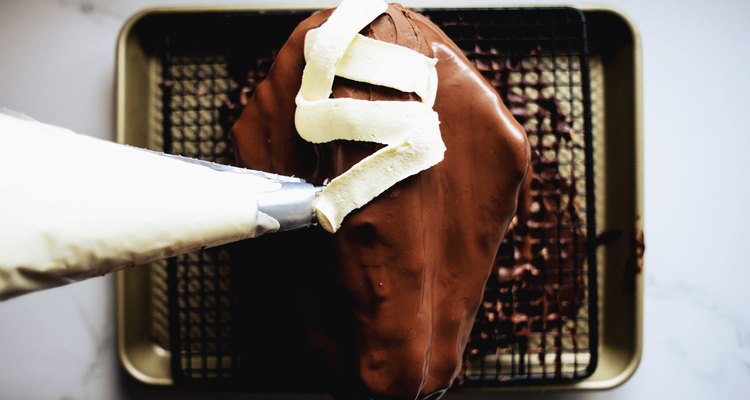
Once the glaze has set, put the white chocolate buttercream in a pastry bag fitted with a large sized flat nozzle and cut off the tip. Alternatively, you can use a large zip-lock plastic bag for this stage.
Pipe the outline of the mummy with the white chocolate buttercream in a zig-zag motion to form 'buttercream bandages'. Lightly, scatter the crushed Oreo cookies over the top of the cake then set the cake back in the refrigerator to harden for at least 30 minutes.
Thalia Ho
Serve
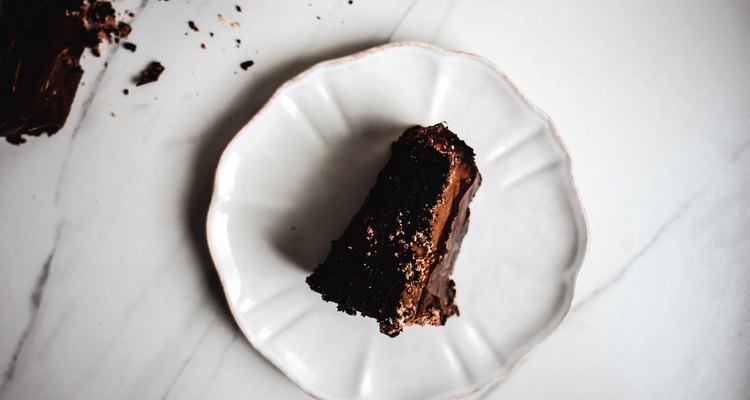
When you are ready to serve the cake, remove the cake from the refrigerator and onto a serving plate or cake stand. Let the cake stand at room temperature for 20 minutes before slicing and serving.
Thalia Ho
The cake is best eaten on the day of making but can be kept for 3 days stored in an airtight container in the refrigerator.
Thalia Ho
Related Articles

Cake Pops Recipe with a Galaxy Design
How to Make Brownies With Little Ghosts ...

How to Make Chocolate Ganache With ...

How to Make a Hogwarts Castle Cake

How to Decorate Cake Using Heavy ...
3 Easy Bundt Cake Recipes

How to Make Your Own Chocolate Truffles

How to Fix Grainy Whipped Ganache

How to Inject Icing Into a Cake Pop
How to Make a 3-Tier Wedding Cake
Can I Thicken Ganache With Powdered ...
How to Make Whipped Frosting Without ...
How To Make An Oreo Cheesecake Crust

What Frosting Goes Well With Angel Food ...

How to Make Petit Fours

How to Make Bakery-Style Whipped Icing
Can Softened Frosting Harden Over a ...
Can I Make Brownies With Confectioner's ...

How to Make Plaques for Cakes

How to Make White Drizzle Frosting
Writer Bio
Thalia Ho is the self-taught baker, law student and author behind French-inspired food blog, butter and brioche, which chronicles her culinary explorations, sweet adventures and travels.