miriamvandamme/iStock/Getty Images
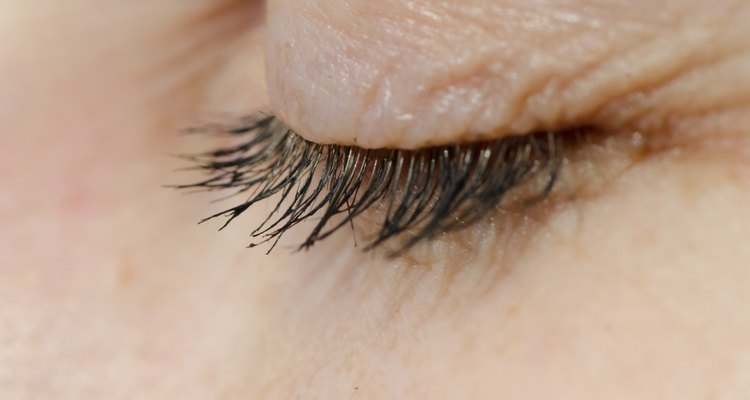
Developing eyelid wrinkles is common during the aging process. Genetics also plays a role in developing these wrinkles, according to Medline Plus. Wrinkles aren’t usually a health concern; however, if the wrinkles are a cosmetic issue, there are treatment options. Modifying lifestyle factors, such as exposure to cigarette smoke and harmful sun rays, reduces your risk for developing these wrinkles.
Causes
There are many different causes of eyelid wrinkles. Decreased production of natural oil as you age makes the eyelid skin appear more wrinkled. Deep layers of fat also decrease, making lines more obvious. Smoking also causes eyelid wrinkles. It creates changes in the blood supply, causing premature wrinkles.
Repeat facial expressions around the eyes also leave fine lines and wrinkles. As a result, skin loses flexibility and has a difficult time returning to its place.
Nonprescription Treatments
Retailers sell dozens of eye wrinkle products; however, these products aren’t all effective. Select an effective cream by choosing products with the active ingredients retinol, kinetin, hydroxyl or coenzyme, recommends MayoClinic.com. Antioxidants and copper peptide ingredients may also provide some benefit.
Prescription Treatment
If over-the-counter medications aren’t reducing eyelid wrinkles, visit your dermatologist. She can prescribe vitamin A products, such as retinoid creams. These retinoids include tretinoin and tazarotene. Topical medications make your skin sensitive to sunlight, so wear a sun protection of at least 30.
Light treatments are also used to treat eyelid wrinkles. A laser beam destroys the top layers of skin, stimulating new skin growth and diminishing the appearance of wrinkles.
Prevention
Protect your eyes from the sun to minimize additional eyelid wrinkles. Wear a sunscreen with an SPF of at least 30, even on cloudy days. The sun’s harmful rays penetrate through clouds, damaging skin. Some under-eye creams have an SPF built into the product. Wearing dark sunglasses also provides some protection. Also, use a moisturizer under the eyes, which makes wrinkles less obvious. If you smoke, quit. Discontinuing smoking improves the tone and texture of skin and prevents additional eyelid wrinkles.
Warnings
The Food and Drug Administration doesn’t evaluate over-the-counter eye-creams for safety and effectiveness. Monitor the eye skin carefully when using the creams. If you experience an adverse reaction, such as irritation or rash, discontinue use and consult your dermatologist. She can provide other options for treating wrinkles on the eyelids.
Related Articles

Oil of Olay & Wrinkles

How to Prevent Cheek Wrinkles
How to Make Natural Eye Creams With ...

Why Do People Get Wrinkles on the Scalp?

What Do the Horizontal Lines on the ...

How to remove adhesive residue from ...

The Difference Between Retin A & Renova

What Are the Dangers of Photofacials?

How to Get Rid of Pink Scars

Can Age Spots Be Reversed?

How to Get Rid of a Dark Line Above My ...

Is Cellulite a Permanent Condition?

How to Get the Dewy Makeup Look Over 50
Removing Acne Scars With Tretinoin Cream
How to Get Rid of Skin Discoloration on ...
How to Fix Wrinkles on the Ankle of ...

Sunbed Pros & Cons

How to Dress When You Have No Butt
How to Decrease Large Pores
How to Make Acne Scars Go Away
References
Writer Bio
Nicki Howell started her professional writing career in 2002, specializing in areas such as health, fitness and personal finance. She has been published at health care websites, such as HealthTree, and is a ghostwriter for a variety of small health care organizations. She earned a Bachelor of Science in business administration from Portland State University.
Photo Credits
miriamvandamme/iStock/Getty Images